32 unelected trade envoys currently operate across six continents with access to sensitive commercial intelligence and host governments
Andrew Mountbatten-Windsor allegedly shared confidential government intelligence on Vietnam, Singapore, China and Afghanistan with Jeffrey Epstein during his 2001-2011 tenure
The Business and Trade Committee meets Tuesday to discuss the first comprehensive parliamentary inquiry into the trade envoy system since its creation
Government is considering legislation to remove Andrew from eighth position in the line of succession, requiring an Act of Parliament and approval from 14 Commonwealth realms
Thames Valley Police spent the weekend searching a 30-room Windsor mansion for evidence that could fundamentally reshape how Britain conducts commercial diplomacy abroad. The cross-party Business and Trade Committee meets Tuesday to discuss launching what would be the first comprehensive parliamentary inquiry into the UK's trade envoy system since its creation, triggered by allegations that Andrew Mountbatten-Windsor shared confidential government intelligence with convicted sex offender Jeffrey Epstein during his decade-long tenure in the role. The scandal has exposed an uncomfortable reality: for a post-Brexit Britain that has staked its economic future on nimble trade relationships, the oversight mechanisms governing trade envoy appointments and conduct remain largely opaque.
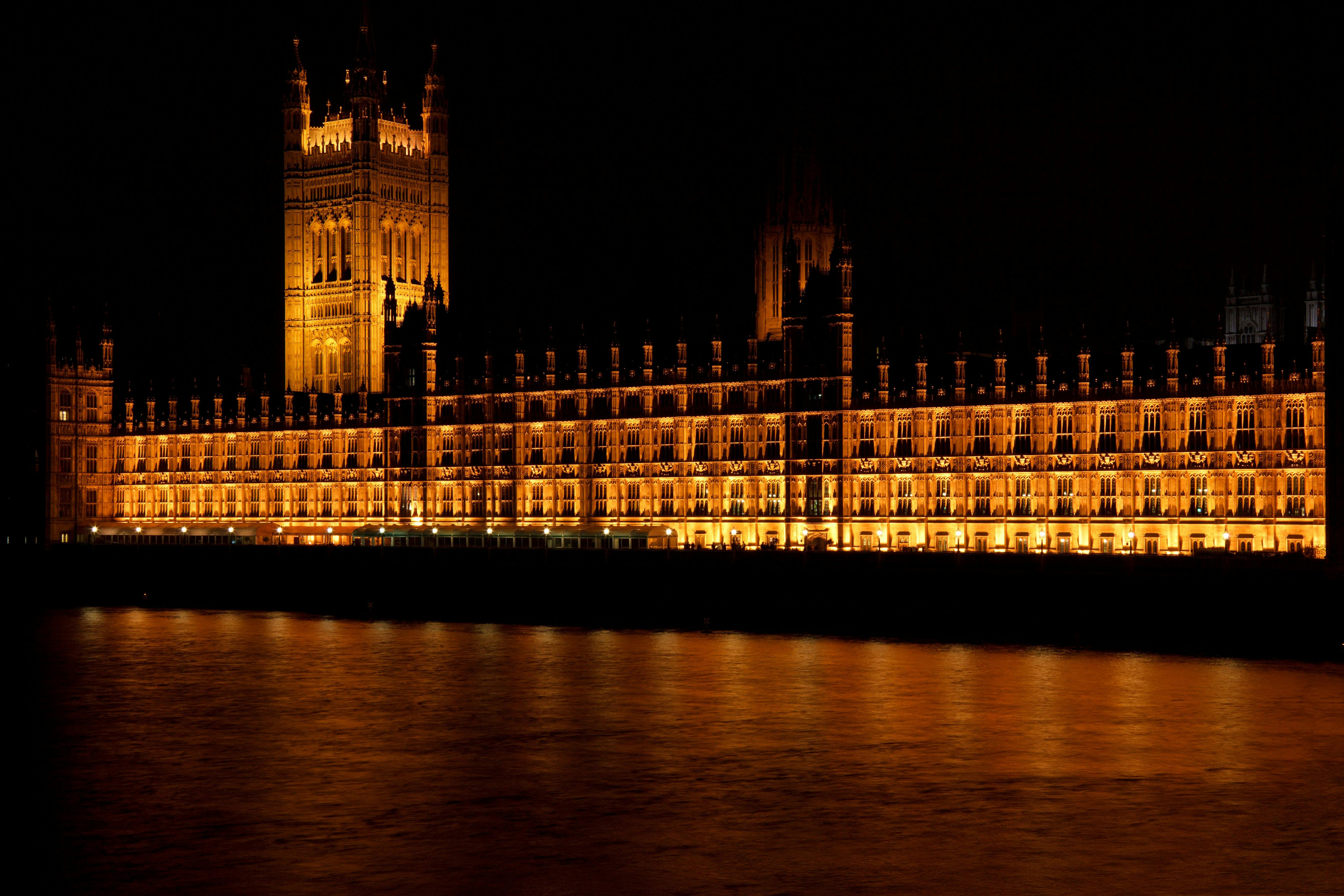
British government buildings in London
A system designed for discretion, not transparency
According to the Department for Business and Trade's own descriptions, trade envoys engage directly with foreign governments, lead UK business delegations, and maintain privileged relationships with senior commercial contacts. They sit at the intersection of diplomacy and commerce, often privy to market intelligence, investment opportunities, and strategic economic planning that could move markets if disclosed.
What remains unclear is who conducts due diligence on these appointments, what security protocols govern their access to classified information, and which parliamentary body exercises meaningful oversight once they're in post. The allegations against Andrew—who is alleged to have forwarded government reports on Vietnam, Singapore, and China to Epstein in 2010, alongside intelligence on gold and uranium investment opportunities in Afghanistan—suggest these questions have gone unanswered for far too long.
Enjoying this article?
Get stories like this in your inbox every week.
The current system appears to operate on the assumption that individuals granted such access will behave appropriately, with little in the way of systematic checks to verify that assumption holds true.
The timing is particularly awkward. Trade envoys have arguably become more important to British economic statecraft since Brexit, tasked with opening doors in markets where formal diplomatic channels may prove less effective. Yet for a post-Brexit Britain that has staked its economic future on nimble trade relationships, this represents a significant governance blind spot.
What an inquiry might uncover
Liam Byrne, who chairs the Business and Trade Committee, has indicated that MPs are taking the allegations "acutely seriously" and that any inquiry would begin by examining governance issues within the broader system rather than focusing on Andrew specifically whilst the police investigation continues. That stated intention may prove difficult to maintain in practice, given that Andrew's decade in the role from 2001 to 2011 represents a substantial portion of the system's operational history.
Parliamentary committee meeting in session
Documents released in January as part of the latest tranche of Epstein-related files suggest Andrew allegedly shared the intelligence during a period when Epstein had already been convicted of sex offences. The fact that this continued raises obvious questions about vetting procedures and ongoing monitoring of envoy conduct. Were security services aware of the relationship? Did anyone conduct regular reviews of who trade envoys were meeting with?
Parliamentary scrutiny could force transparency on several fronts: the criteria used to select trade envoys, the security clearances they receive, the protocols governing their handling of sensitive information, and the reporting structures meant to flag potential conflicts of interest or security risks. The current arrangement, where envoys are appointed by ministers with minimal public justification, looks increasingly untenable when the stakes are this high.
The succession question and institutional firewall
Meanwhile, the government has confirmed it is considering legislation to remove Andrew from the line of succession—currently eighth—in what Defence Minister Luke Pollard called the "right thing to do" regardless of the police investigation's outcome. The move would require an Act of Parliament and approval from the 14 Commonwealth realms where the King serves as head of state.
Some Labour backbenchers reportedly question whether the effort is proportionate given Andrew's remote position in the succession, though historian David Olusoga told BBC Newsnight the palace and government are attempting to "draw a firewall" between this crisis and the wider monarchy. The last person removed from the succession by parliamentary action was Edward VIII in 1936 following his abdication.
Both cases involve conduct deemed incompatible with representing the British state, even if the specific circumstances differ dramatically.
What reforms might look like
If the inquiry proceeds, expect recommendations around formal security protocols, regular vetting reviews, clearer reporting lines to parliamentary committees, and potentially limits on the commercial intelligence trade envoys can access. Some MPs may push for the entire system to become more transparent, with appointments subject to select committee scrutiny similar to senior civil service posts.
International business and trade negotiations
The challenge for reformers is designing oversight that doesn't neuter the system's utility. Trade envoys are meant to operate with flexibility, using personal relationships and informal channels that formal diplomatic missions cannot. Too much bureaucracy risks turning them into glorified civil servants.
The committee's deliberations Tuesday will determine whether this scandal prompts genuine structural reform or becomes another example of parliament reacting to headlines without addressing underlying systems. For the 32 trade envoys currently in post, and for the businesses and foreign governments that engage with them, clarity on accountability would be welcome. The current arrangement—built on discretion and personal relationships—clearly isn't working.
Tuesday's committee meeting will determine whether parliament pursues meaningful structural reform of the trade envoy system or merely reacts to headlines without addressing systemic governance failures
Any reforms must balance the need for oversight and security protocols against the flexibility that makes trade envoys effective in opening informal channels that formal diplomatic missions cannot
The outcome will set precedents for how Britain conducts commercial diplomacy in the post-Brexit era, when trade envoys have become more critical to economic statecraft than ever before
Multi-award winning serial entrepreneur and founder/CEO of Venntro Media Group, the company behind White Label Dating. Founded his first agency while at university in 1997. Awards include Ernst & Young Entrepreneur of the Year (2013) and IoD Young Director of the Year (2014). Co-founder of Business Fortitude.