Thousands of British travellers stranded by Middle East airspace closures qualify for refunds and rebooking only—not the £220-£520 compensation typically awarded for airline delays
Conflict-related disruption falls under 'extraordinary circumstances' exemption in UK and EU aviation law, the same carve-out covering volcanic ash and severe weather
Roughly 40% of British holidaymakers with ATOL-protected package deals receive full refunds or alternatives regardless of cause, whilst those with separate bookings face stricter limitations
Travel insurance policies typically exclude conflict-related claims, and Foreign Office advisories can void coverage entirely for affected regions
Airspace closures across the Middle East following US and Israeli strikes on Iran have stranded thousands of British travellers, and most won't receive a penny in compensation beyond basic refunds. The reason comes down to a single regulatory carve-out that wipes away the consumer protections passengers have come to expect. The distinction matters more than many travellers realise, particularly those caught in the cascading disruption now rippling through Dubai, Doha, and Istanbul—hub airports handling connections far beyond the immediate conflict zone.
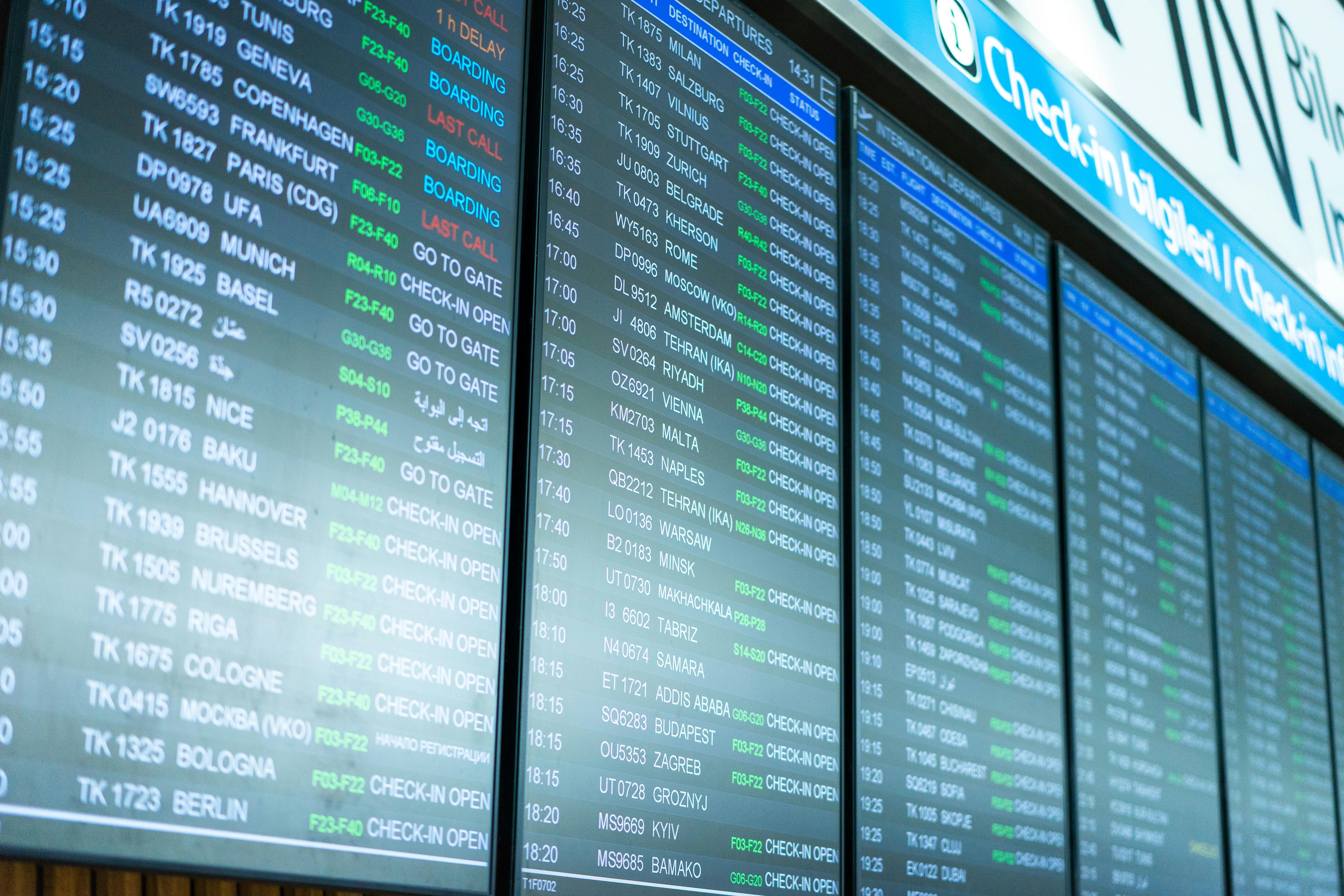
Airport departure board showing flight cancellations and delays
Under UK and EU aviation law, conflict-related disruption falls under 'extraordinary circumstances'—the same exemption that covers volcanic ash clouds, air traffic control strikes, and severe weather. Whilst passengers retain rights to refunds and rebooking, the financial compensation typically awarded for airline-caused delays vanishes entirely when geopolitical events are to blame.
What you can actually claim
Airlines operating under UK regulation must offer a straightforward choice: a full refund for unused portions of your ticket, or rebooking on the next available service at no additional cost. This applies to UK and EU carriers on any route, plus non-EU airlines departing from UK airports.
Enjoying this article?
Get stories like this in your inbox every week.
The rebooking obligation extends beyond the original airline. If a competitor has seats available significantly sooner, your carrier must arrange transfer to that service. In practice, though, the scale of current disruption means available seats are scarce, leaving many passengers facing waits of several days rather than hours.
Duty of care provisions remain in force throughout. Airlines must provide meal vouchers, accommodation if an overnight stay becomes necessary, and reimburse reasonable communication costs.
These protections kick in after a two-hour delay on short-haul routes, three hours for medium-haul, and four hours for long-haul flights. Keep every receipt—airlines that fail to arrange assistance upfront must reimburse you later, but the Civil Aviation Authority warns against extravagance. A £200-a-night hotel will likely be honoured; a five-star suite won't.
After five hours' delay, passengers can walk away with a full refund if they no longer wish to travel. What they cannot do is claim the hundreds of pounds in statutory compensation available when delays stem from airline error rather than external crises.
The insurance blind spot
Here's where the gap between expectation and reality widens. Many travellers assume their travel insurance will bridge the compensation shortfall, but conflict exclusions are standard across most policies. Even more problematic: Foreign Office travel advisories can void coverage entirely for affected regions.
Traveller reviewing insurance documents at airport
The FCO currently advises against all travel to Iran and parts of the broader Middle East. Any policy purchased after those warnings were issued will almost certainly exclude claims related to this disruption. Those who bought insurance before the advisories went live may have stronger footing, but even then, definitions of what constitutes covered 'civil unrest' versus excluded 'acts of war' vary wildly between providers.
Insurers price policies based on actuarial tables covering routine mishaps—they explicitly carve out the catastrophic tail risks that generate the largest claims, leaving passengers exposed precisely when disruption costs the most.
Additional losses beyond the flight itself—pre-paid hotels, missed cruise departures, non-refundable tours—may be recoverable through Section 75 claims if booked on a credit card for transactions between £100 and £30,000. Chargeback provisions on debit cards offer weaker protection but remain worth attempting. Neither route is guaranteed, and both require meticulous documentation.
Package holiday protections
The roughly 40 per cent of British holidaymakers who book ATOL-protected package deals through ABTA members face less uncertainty. Package holiday regulations require providers to offer a full refund or suitable alternative regardless of the cause of cancellation. The tour operator absorbs the complexity of dealing with airlines, hotels, and other suppliers.
This protection doesn't extend to dynamically packaged holidays or separately booked flight-and-hotel combinations, which revert to the standard airline regulations outlined above. The distinction between a genuine package and a marketing construct matters enormously in situations like this.
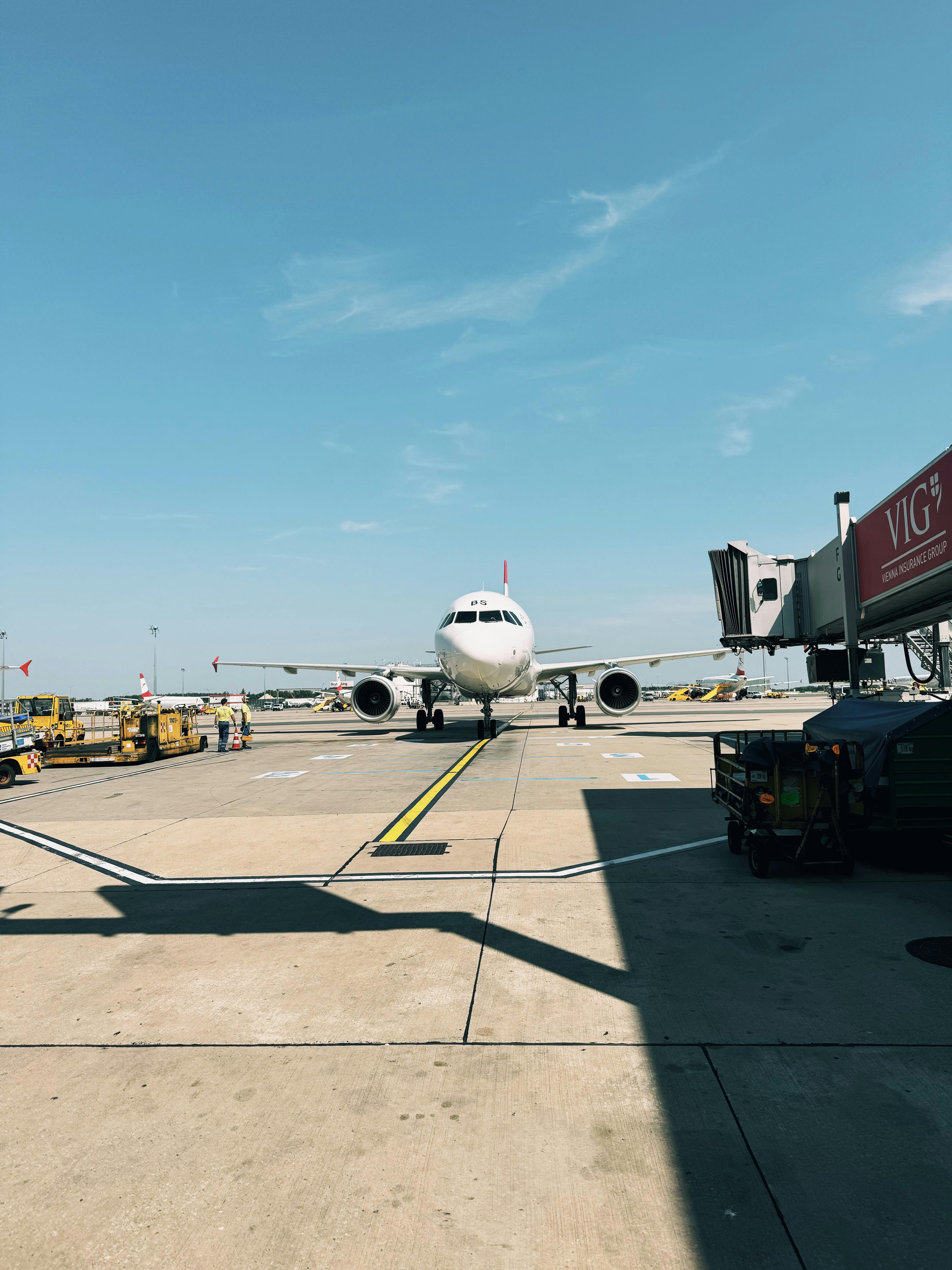
Middle East aviation hub with grounded aircraft
Looking ahead
Airlines have already begun adjusting schedules as the conflict's aviation impact becomes clearer. Emirates, Qatar Airways, and Turkish Airlines—the three carriers most heavily exposed to Middle East airspace restrictions—are likely to face the longest disruption window, affecting not just regional routes but their role as connectors between Europe and Asia.
Passengers with bookings in the coming weeks should monitor airline communications closely and act quickly on rebooking offers. Waiting for the situation to stabilise might feel prudent, but seat availability contracts rapidly as displaced passengers from cancelled flights compete for limited capacity.
The regulatory framework governing these situations hasn't materially changed since its introduction decades ago, despite geopolitical instability becoming more frequent and aviation networks more interconnected. Whether the extraordinary circumstances exemption remains fit for purpose when conflict-driven disruption can cascade across continents is a question regulators have yet to seriously examine. For the thousands currently caught in airport terminals across Europe and the Middle East, that debate offers cold comfort.
Act immediately on rebooking offers rather than waiting for the situation to stabilise—seat availability diminishes rapidly as thousands of displaced passengers compete for limited capacity on alternative routes
Document every expense meticulously and retain all receipts for meals, accommodation, and communications, as airlines must reimburse reasonable costs even if they fail to arrange assistance upfront
The decades-old regulatory framework treating geopolitical disruption as 'extraordinary circumstances' may be increasingly unfit for purpose as conflict-driven aviation chaos becomes more frequent and interconnected across global networks
Multi-award winning serial entrepreneur and founder/CEO of Venntro Media Group, the company behind White Label Dating. Founded his first agency while at university in 1997. Awards include Ernst & Young Entrepreneur of the Year (2013) and IoD Young Director of the Year (2014). Co-founder of Business Fortitude.