Ofgem announces energy price cap falling £117 to £1,641 annually from 1st April 2025
Government shifting 75% of Renewables Obligation costs from electricity bills into general taxation
Real reduction after VAT estimated at £145 for typical household, but varies significantly by usage
Savings delivered as roughly 3.37p per kilowatt hour reduction, not lump sum discount
Your energy bill is dropping by £117 from April—except it isn't quite that simple. What Rachel Reeves has delivered is not a straightforward discount but a fundamental restructuring of how Britain pays for renewable energy, moving three-quarters of green levy costs off your electricity statement and into general taxation. The result is a saving that varies wildly depending on your household's actual energy consumption, making it harder than ever to work out whether you're genuinely better off.
The Green Levy Shuffle
What's actually happened is a significant piece of fiscal engineering. By moving 75% of Renewables Obligation costs off bills and onto the general tax base, the government has made climate policy funding less visible to households but no less real. You're still paying for wind turbines and solar farms—just through income tax and VAT rather than your electricity statement.
Wind turbines generating renewable energy
This represents the first major intervention in how green energy infrastructure is funded in over a decade. The political logic is clear enough: energy bills became a lightning rod for cost-of-living anger, whilst general taxation is far more diffuse and harder to track. But the practical effect is that 29 million households now face a more complicated calculation when trying to work out whether they're getting value for money from their supplier.
Enjoying this article?
Get stories like this in your inbox every week.
The government has also scrapped the Energy Company Obligation scheme entirely, the Tory-era programme that forced suppliers to fund home improvements for fuel-poor households. Ministers have been frank about its delivery problems, but there's no obvious replacement waiting in the wings. That's climate adaptation funding disappearing without a clear successor, at precisely the moment when improving housing stock is critical to reducing overall energy demand.
The "typical" household qualifier is doing substantial work—single-person flats and four-bedroom family homes will see wildly different outcomes
The Switching Trap Nobody's Talking About
Here's where the timing creates genuine problems for households trying to be savvy about their energy costs. Some fixed tariffs available from 25th February will include these price cap reductions. Others won't reflect the cuts until April. The End Fuel Poverty Coalition has warned this creates a two-tier market that could trap people into worse deals if they move too quickly.
The advice from Which? remains sensible in principle: look for fixed deals cheaper than the price cap, avoid contracts longer than 12 months, and watch for exit fees. But "cheaper than the price cap" now requires households to understand unit pricing rather than just comparing headline annual figures. Most people still think about energy bills as a total annual cost, not as kilowatt hours multiplied by variable rates.
Person reviewing household energy bills and costs
That's a problem when the promised saving is spread across per-unit charges rather than applied as a discount. A household that typically uses less electricity than the statistical average might save £80 annually, not £145. One with electric heating and above-average consumption might save £200. Both will hear "£150 cut" in the headlines and struggle to reconcile that with their actual bills.
What Happens After April
Cornwall Insight expects the price cap to remain relatively stable through 2026, with a modest drop forecast for July. But these predictions depend on wholesale gas markets that remain vulnerable to geopolitical shocks and weather-dependent demand spikes. The past three years have demonstrated how quickly supposed stability can evaporate when Russian supply contracts vanish or European storage levels drop.
What's more interesting is what this funding shift means for future climate policy costs. Once you've moved renewable energy levies into general taxation, it becomes far easier politically to expand those programmes without triggering immediate backlash about energy bills. The Treasury has effectively insulated green infrastructure investment from the most visible form of household opposition.
General taxation is a black box, and future governments will find it easier to increase climate spending without most voters noticing the direct cost
That's probably smart politics but creates transparency problems. When renewable energy costs sat on electricity bills, households could see exactly what they were paying for climate transition. That visibility is gone. General taxation is a black box, and future governments will find it easier to increase climate spending without most voters noticing the direct cost.
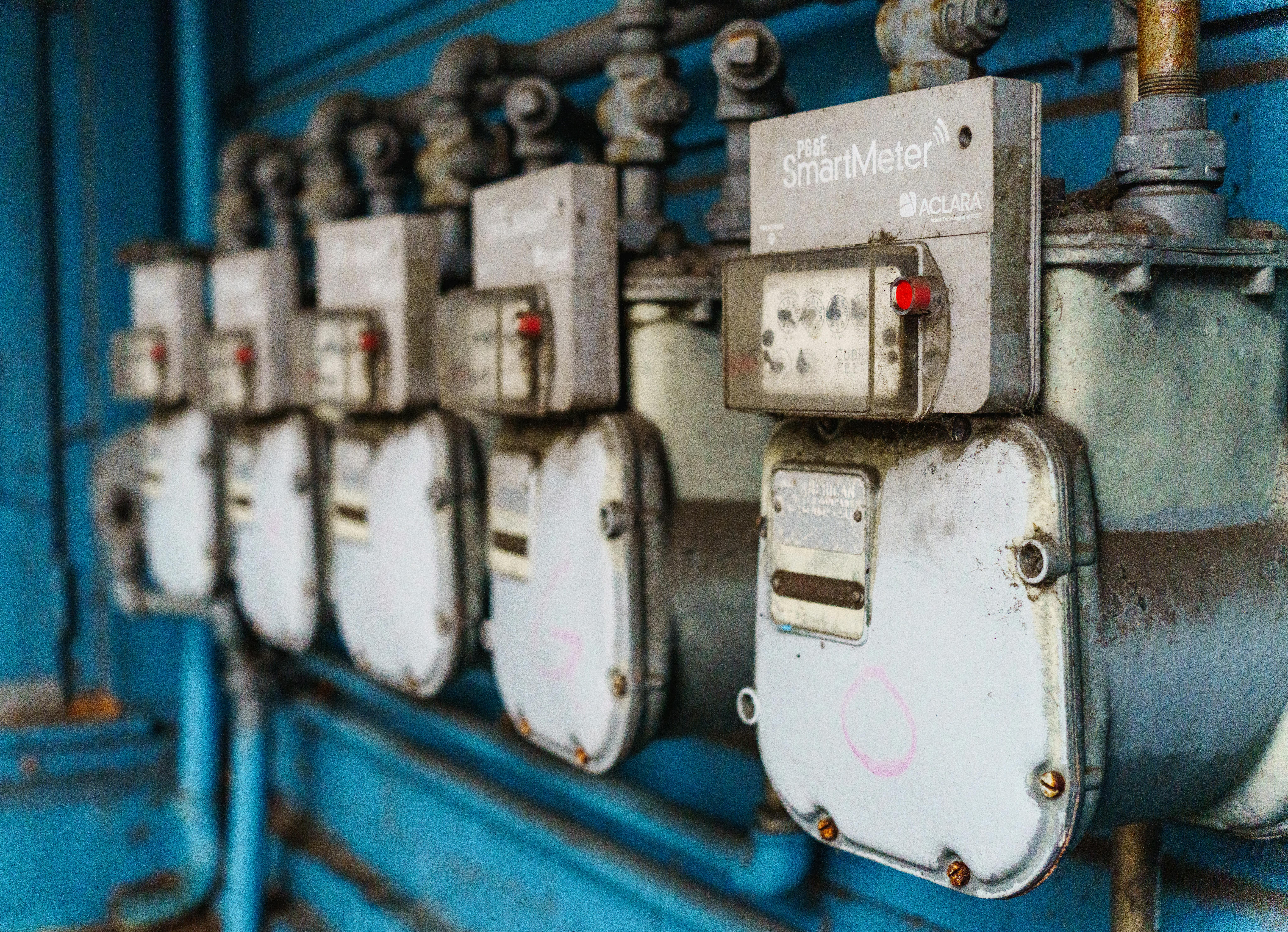
Smart meter displaying household energy consumption
For households trying to navigate April's changes, the essential task is simple but unfamiliar: get comfortable with your per-unit electricity rate. That's the number you need to compare when evaluating fixed tariffs, not the headline annual figure. The Price Cap sets a limit on the maximum amount suppliers can charge for each unit of gas and electricity you use, and understanding this unit-based system is now crucial for making informed switching decisions.
Check what your supplier plans to charge per kWh after 1st April, then look at fixed deals using that specific metric. Ofgem updates the price cap every three months, which means the regulatory framework is constantly shifting beneath any comparison you make.
The £150 saving is real for some households. But working out if you're one of them, or if you could do better by switching, requires understanding your bill in granular detail that most people have never needed before. The price cap was meant to simplify energy costs. This restructuring has made them considerably more opaque.
Focus on per-unit electricity rates (pence per kWh) rather than headline annual figures when comparing tariffs—this is now the only meaningful way to evaluate whether you're getting a good deal
Your actual saving depends entirely on consumption patterns, so calculate based on your household's specific usage rather than accepting the "typical" £145 figure
Climate policy funding has been moved into general taxation, making future green infrastructure costs less visible but giving government greater flexibility to expand renewable programmes without direct public opposition
Multi-award winning serial entrepreneur and founder/CEO of Venntro Media Group, the company behind White Label Dating. Founded his first agency while at university in 1997. Awards include Ernst & Young Entrepreneur of the Year (2013) and IoD Young Director of the Year (2014). Co-founder of Business Fortitude.