Royal Mail executives will face Parliamentary committee just over a year after Czech billionaire Daniel Kretinsky's takeover
Addressed letter volumes have fallen by more than half since 2004-05, dropping from around 20 billion items to under 9 billion
Ofcom fined Royal Mail £21m in October 2025 for failing to meet delivery targets
BBC reporting revealed hundreds of complaints and allegations from more than a dozen postal workers that letter rounds are being skipped daily
Daniel Kretinsky's ownership of Royal Mail is about to receive its first serious Parliamentary grilling. Just over a year since the Czech billionaire pledged to put 'employees and customers at the heart of everything', executives from his EP Group will be summoned before the Business and Trade Committee to explain why hospital appointments are being missed and bank statements aren't arriving. Committee chair Liam Byrne didn't even wait for Royal Mail's deadline to respond before calling them in.
The summons follows the BBC's reporting of hundreds of complaints and allegations from more than a dozen postal workers that letter rounds are being skipped daily whilst parcels get priority treatment. What makes this particularly uncomfortable for Kretinsky is the timing. The takeover was approved with legally binding undertakings that Royal Mail would maintain the Universal Service Obligation — the requirement to deliver letters six days a week to every UK address at a uniform price.
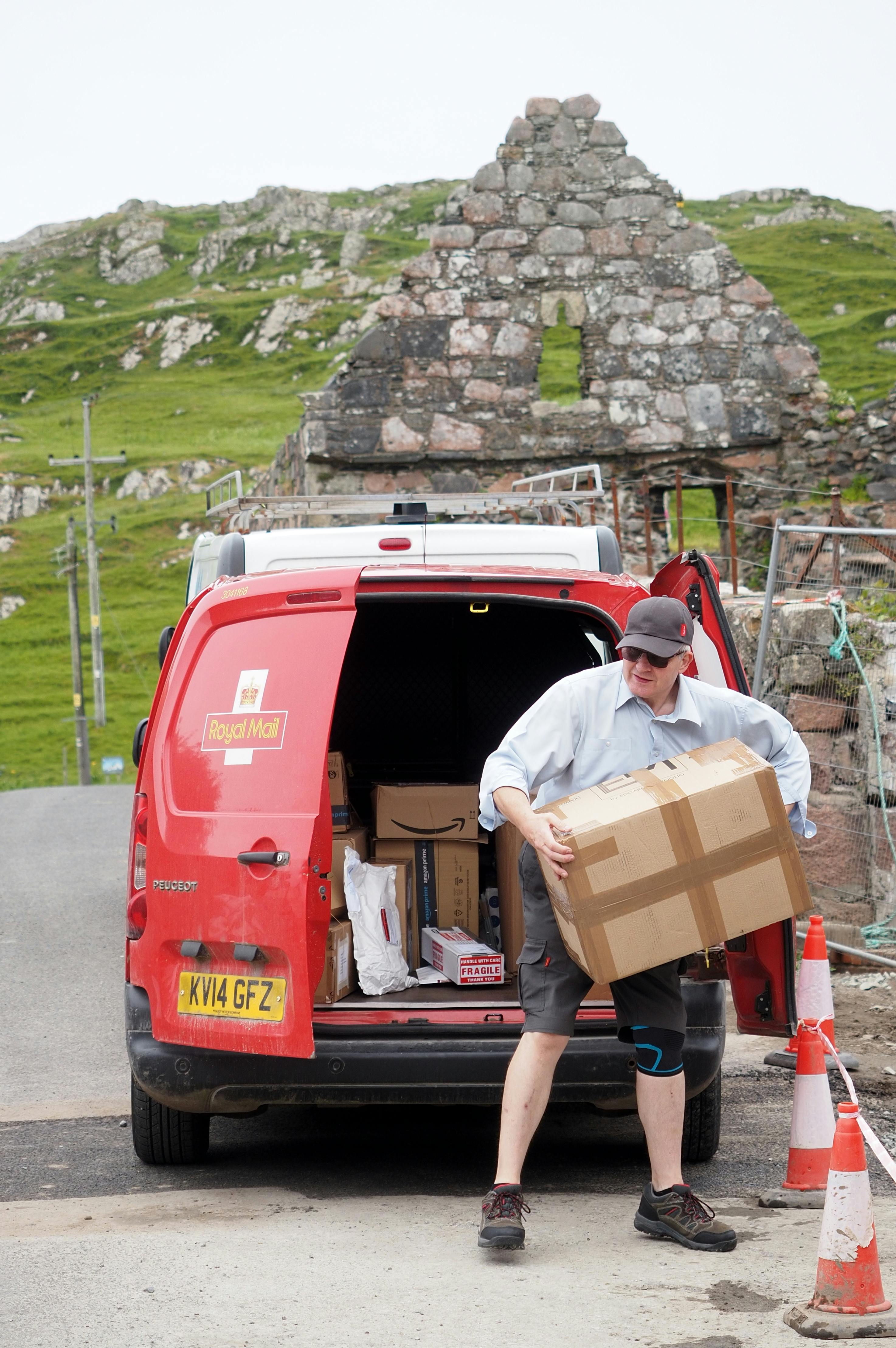
Royal Mail delivery worker sorting parcels and letters
The parcel problem
The economics here aren't complicated. Parcels make money. Letters increasingly don't. As online shopping has boomed and correspondence has moved to email, Royal Mail faces the same structural challenge confronting postal services worldwide: the profitable business is subsidising the unprofitable obligation.
Enjoying this article?
Get stories like this in your inbox every week.
Postal workers from different delivery offices have described being stretched beyond capacity, with parcels taking precedence when they can't complete everything. Royal Mail disputes the scale of the problem, insisting the 'vast majority' of mail reaches its destination as planned. They've attributed recent issues to weather and staff sickness.
When people are missing hospital appointments because reminder letters arrive late or not at all, the scale becomes somewhat academic.
What's interesting here is that Royal Mail's own response hints at where this is heading. Their spokesperson said the Parliamentary appearance would allow them to discuss 'the urgent need to implement changes to the Universal Service to deliver the services our customers want'. Translation: they want to renegotiate the terms.
Reducing letter delivery from six days to five, or even three, has been floated by industry figures for years. The question is whether regulators and Parliament will accept that trade-off.
Stack of undelivered letters and postal items
Testing the takeover safeguards
Byrne's comment that 'even first-class deliveries are way off track' cuts to the heart of the accountability question. When foreign ownership of strategic assets is approved, the commitments made during the approval process need to mean something. Otherwise, what exactly is the regulatory framework protecting?
The Universal Service Obligation exists because postal delivery, like other utilities, involves a cross-subsidy model. Profitable urban routes help pay for expensive rural deliveries. Parcels support letters. Remove that obligation, and the business logic changes entirely.
EP Group would argue, with some justification, that maintaining an outdated service model isn't commercially sustainable. According to Ofcom figures, addressed letter volumes have fallen by more than half since 2004-05, dropping from around 20 billion items to under 9 billion. The trend isn't reversing.
If Kretinsky's team is already seeking to modify those obligations within the first year of ownership, it raises uncomfortable questions about whether the safeguards were robust enough or simply window dressing for a deal that was going through regardless.
But commercial sustainability wasn't supposed to come at the cost of service degradation. That was the whole point of the legally binding undertakings.
Parliament building representing regulatory oversight
More significantly, the hearing will establish what changes to the Universal Service Obligation are being contemplated and on what timeline. If Royal Mail is arguing for reduced letter delivery frequency, that's a conversation requiring far broader consultation than a corporate transformation plan. These are changes that affect millions of people who still depend on physical mail for essential communications.
For investors watching the UK's approach to infrastructure ownership, this matters beyond the postal sector. The Royal Mail takeover was controversial precisely because it involved critical national infrastructure passing into foreign private hands. The assurances given during that process are now being tested in real-time.
Kretinsky's promise to prioritise employees and customers will be measured against the testimony of postal workers describing impossible workloads and customers missing medical appointments. That's not the optics any new owner wants at the one-year mark. Whether regulators have the appetite to enforce the original undertakings, or will accept a watered-down version of the Universal Service, will signal how seriously Britain takes the conditions it attaches to strategic asset sales.
Watch whether Parliament accepts Royal Mail's push to modify the Universal Service Obligation or enforces the original legally binding commitments — this will set precedent for how seriously the UK takes conditions attached to foreign ownership of strategic assets
The fundamental tension between commercial viability and service obligations is unsustainable in its current form — either regulators accept reduced letter delivery frequency or Royal Mail faces continued fines and reputational damage
This Parliamentary hearing is the first real test of whether the safeguards attached to Kretinsky's takeover have any teeth, with implications reaching far beyond the postal sector to all critical infrastructure sales
Multi-award winning serial entrepreneur and founder/CEO of Venntro Media Group, the company behind White Label Dating. Founded his first agency while at university in 1997. Awards include Ernst & Young Entrepreneur of the Year (2013) and IoD Young Director of the Year (2014). Co-founder of Business Fortitude.