$130bn in tariffs collected under now-invalidated emergency powers must be refunded to US businesses
New 15% global tariffs under Section 122 begin Tuesday with a five-month statutory limit before Congressional approval required
UK and Australia's recently negotiated 10% bilateral deals rendered obsolete by new 15% global rate
Multiple overlapping tariff regimes create administrative maze with different exemptions, legal foundations, and expiration timelines
American businesses are staring down an extraordinary administrative nightmare: chasing refunds on £102bn worth of tariffs that the Supreme Court has just declared illegal, whilst simultaneously writing cheques for new 15% import levies that land on Tuesday. If that sounds like policy chaos with real balance sheet consequences, that's because it is.
The whiplash arrived courtesy of President Trump's weekend announcement that he would impose 15% global tariffs under Section 122 of the 1974 Trade Act, a provision so obscure it has never been deployed for blanket import taxes. This comes barely 48 hours after the Supreme Court struck down his previous tariff regime in a 6-3 ruling that found the president had exceeded his authority under emergency powers legislation. The replacement levies come with a built-in expiration date: five months, after which Congressional approval becomes mandatory.
Business documents and financial paperwork on desk
For finance directors across America and beyond, the immediate question isn't theoretical. Do you pursue refunds on tariffs that courts have now invalidated, knowing Trump claims such claims could drag through litigation for years? And how do you model cash flow when your supply chain costs just jumped 15% overnight, with no certainty about what the regime looks like come August?
Enjoying this article?
Get stories like this in your inbox every week.
A legal framework designed for crises, repurposed for policy
Section 122 of the Trade Act was crafted for temporary balance-of-payments emergencies, not as an instrument of long-term trade policy. Its five-month statutory limit suggests even the White House legal team recognises the foundation here is precarious. Trump claimed on Truth Social that 15% represents "the maximum allowed" under the provision, though trade lawyers have noted the statute's language is ambiguous at best.
What's clearer is the immediate commercial fallout. The UK and Australia negotiated bilateral deals in recent weeks that set tariff rates at 10%, agreements reached in good faith with an administration that appeared, however briefly, to be moving towards targeted rather than universal levies. Those agreements are now effectively obsolete before the ink has dried, superseded by a global rate 50% higher.
The question for British businesses isn't whether they can trust this White House's commitments—that ship has sailed—but whether any negotiated framework survives first contact with the president's social media account.
According to US government data, at least $130bn has already been collected under the now-invalidated International Emergency Economic Powers Act tariffs. That represents genuine cash that companies paid, which courts have now determined was extracted without proper legal authority. The National Retail Federation, representing millions of American businesses, is pushing for what it terms "a seamless process" to return those funds to importers.
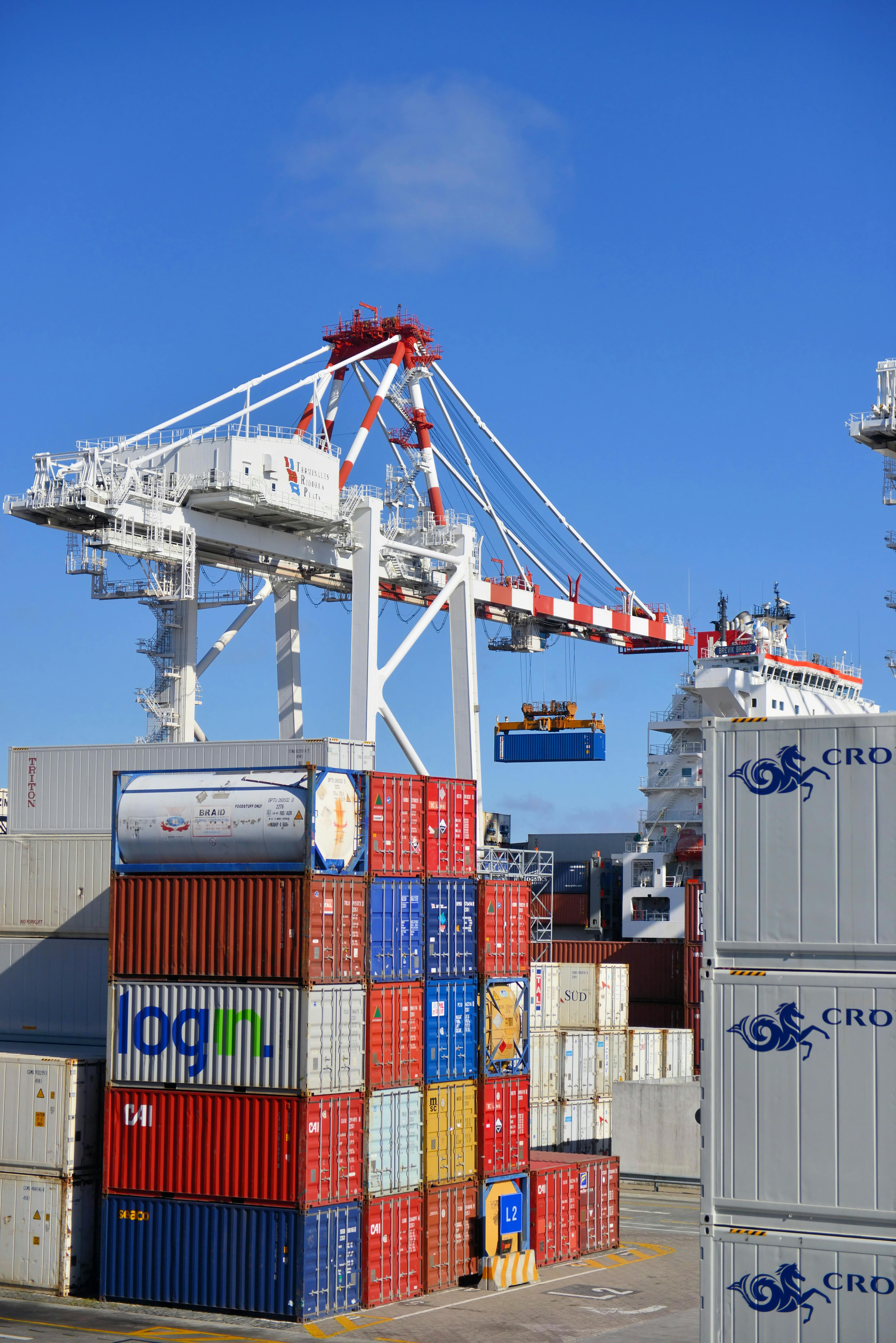
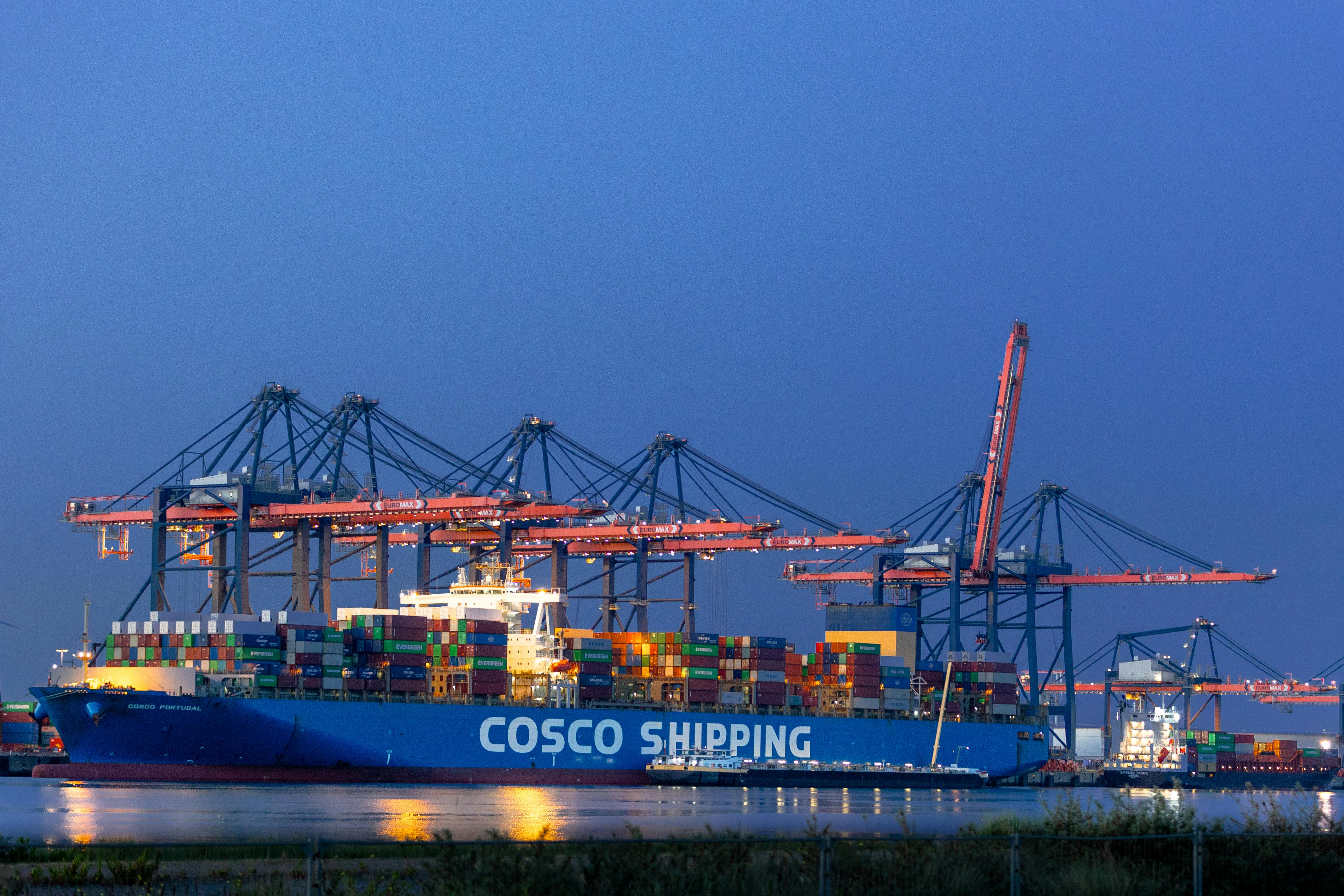

International shipping containers at commercial port
Trump's response? A suggestion that refunds could take years to materialise, a claim that runs counter to standard Customs and Border Protection procedures but serves as an effective deterrent to companies considering whether to file claims. For smaller importers without dedicated trade counsel, the calculation becomes brutal: pursue what you're legally owed and potentially antagonise an administration that controls your supply chain costs, or write off the loss and focus on managing the new regime.
The patchwork problem
The administrative complexity extends beyond the headline 15% rate. Certain categories—critical minerals, metals, pharmaceuticals—will be exempted from the new Section 122 tariffs, but existing levies on steel, aluminium, lumber, and automotive products remain in place under separate legal authorities that the Supreme Court ruling didn't touch. Allie Renison, a former UK government trade adviser and director at SEC Newgate, captured the predicament neatly: whilst this might superficially appear as a victory for free trade principles, what businesses actually face is "much more of a patchwork approach".
That patchwork translates to operational headaches. Importers must now navigate multiple overlapping trade regimes, each with different legal foundations, different exemption categories, and different potential vulnerabilities to legal challenge. A manufacturer sourcing components from three countries might face Section 122 tariffs on goods from two, legacy automotive tariffs on parts from the third, plus separate steel tariffs on raw materials—each levy resting on distinct statutory authority with its own expiration timeline.
Drew Greenblatt, who owns a Baltimore steel fabrication plant, characterised the Supreme Court's original ruling as "a setback for poor people in America that had a chance to climb into the middle class with great manufacturing jobs". That framing deserves scrutiny. The economic consensus on tariffs is well-established: they function as regressive consumption taxes, with lower-income households bearing a disproportionate burden as the costs flow through to retail prices.
What comes next
The five-month clock creates an artificial deadline that will force Congressional action by late July. Whether the Republican-controlled House and Senate will grant retrospective approval for tariffs that a conservative-majority Supreme Court has already questioned is an open matter. Three Trump-appointed justices voted against the previous tariff regime; Chief Justice John Roberts joined them. That's not a particularly encouraging legal foundation for businesses making capital allocation decisions.
Trade agreements with this administration carry no premium for durability. Commitments made in February can be superseded by March, not through the normal channels of renegotiation but via weekend social media pronouncements citing statutory provisions that haven't been used in half a century.
Financial charts and business analysis graphs
The immediate focus for most companies will be purely mechanical: calculating exposure under the new 15% baseline, determining which exemptions apply, and making the cost-benefit analysis on pursuing refunds for illegal tariffs whilst managing new ones. The rapidly evolving situation means that businesses are scrambling to understand which products face duties and under what legal authority. Behind those spreadsheets sits a larger question that no financial model can answer: how do you build supply chains for a market where the rules change faster than your procurement contracts?
Canada and Mexico face additional uncertainty as White House documents suggest CUSMA-compliant goods may receive different treatment, adding yet another layer of complexity to North American trade flows.
This article is for informational purposes and does not constitute financial advice.
Businesses must immediately decide whether to pursue legally valid refunds whilst risking administrative retaliation, or absorb losses and focus on navigating the new regime
The five-month Congressional approval deadline in late July will determine whether this tariff structure has any medium-term viability, but Supreme Court scepticism suggests
Multi-award winning serial entrepreneur and founder/CEO of Venntro Media Group, the company behind White Label Dating. Founded his first agency while at university in 1997. Awards include Ernst & Young Entrepreneur of the Year (2013) and IoD Young Director of the Year (2014). Co-founder of Business Fortitude.