President Trump raised global tariff rate to 15% on Wednesday, a 50% increase from 10% imposed just 24 hours earlier
New tariffs use Section 122 of the 1974 Trade Act, which permits temporary import restrictions for up to 150 days
British goods exports to the US totalled £60.5 billion in 2023, facing approximately £9 billion in additional costs at 15% tariff rate
Supreme Court rejected Trump's previous use of International Emergency Economic Powers Act before the escalation
Twenty-four hours after America's highest court slapped down his trade policy, Donald Trump has done what those who've watched his previous terms might have predicted: he's escalated. The president announced a 15 per cent global tariff rate on Wednesday, a 50 per cent increase from the 10 per cent duty he'd imposed just a day earlier using emergency legislation after the Supreme Court ruled he'd overstepped his authority. The move transforms what appeared to be a rare institutional check on presidential power into a catalyst for more aggressive action.
Rather than retreating, Trump has pivoted to Section 122 of the 1974 Trade Act, legislation that permits temporary import restrictions for up to 150 days. His social media post announcing the increase declared the 15 per cent level "fully allowed, and legally tested" whilst claiming unnamed countries have been "ripping the US off for decades, without retribution (until I came along!)." That characterisation deserves scrutiny.
The president's zero-sum framing of international trade runs counter to mainstream economic consensus, which views cross-border commerce as mutually beneficial rather than a game with winners and losers. More immediately, his assertion about legal certainty rings hollow given the Supreme Court has just dismantled his previous justification.
Enjoying this article?
Get stories like this in your inbox every week.
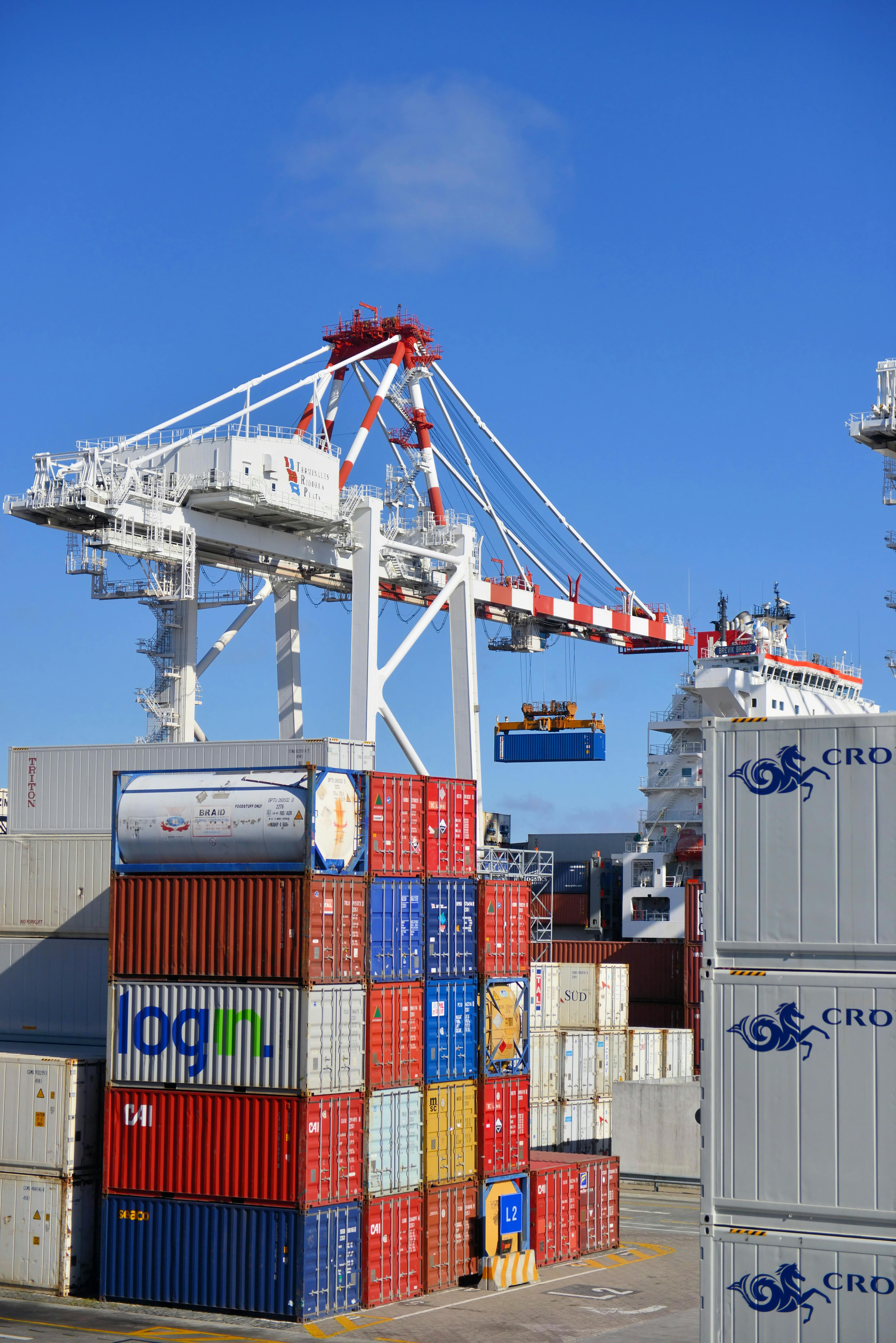
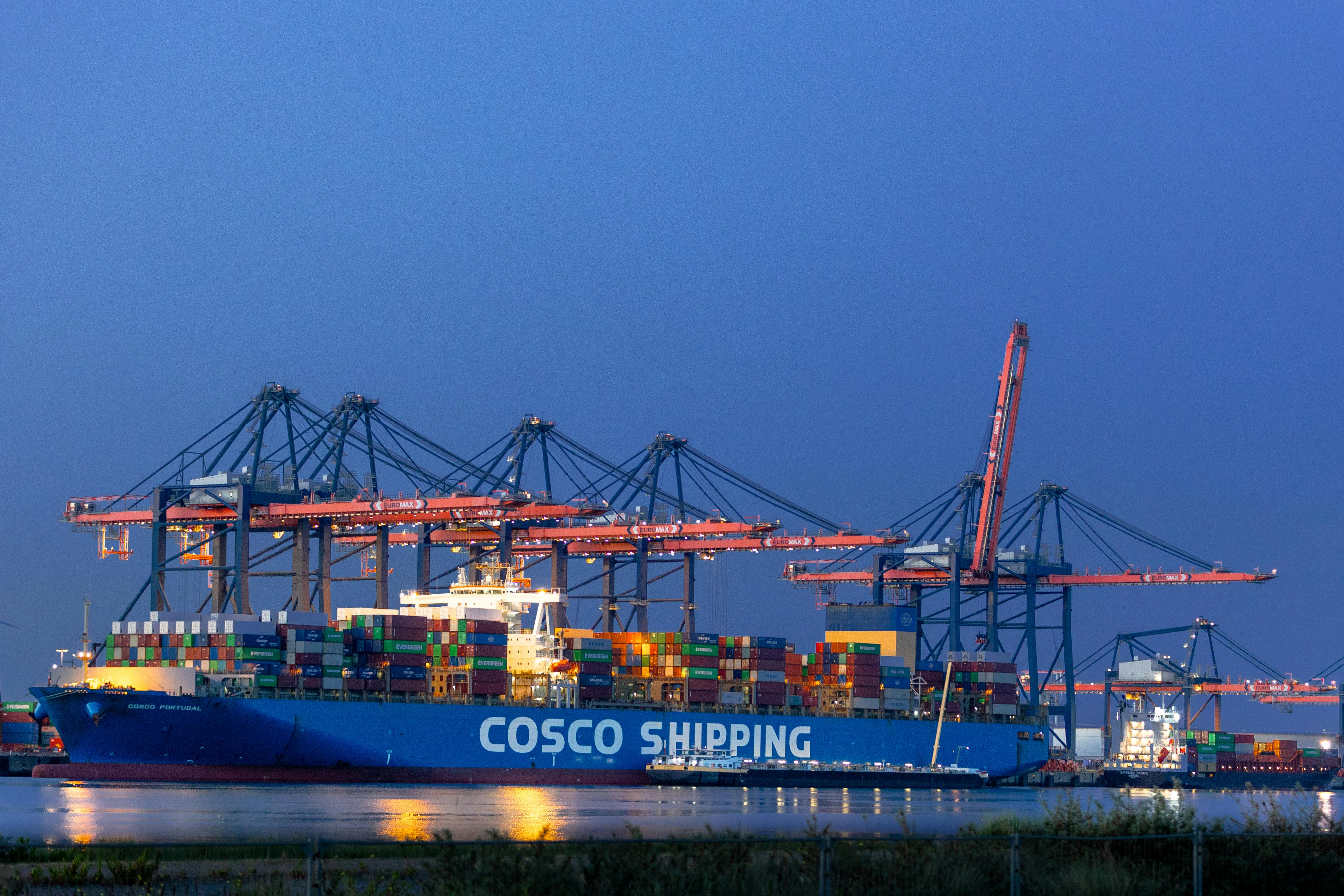

International shipping containers at port terminal
The 150-day clock starts ticking
What British businesses face is perhaps more troubling than the tariff rate itself: radical uncertainty with a countdown timer attached. Section 122 is explicitly temporary, designed for short-term emergency measures rather than permanent policy. The Trump administration has 150 days to either find alternative legal grounds or let the tariffs lapse.
During that window, UK exporters to the US and importers of American goods must navigate a fog of unknowns. Will the administration pivot to different legislation? Might Congress pass statutory authority for sustained tariffs? Could legal challenges mount against this fresh approach?
A 15 per cent blanket tariff represents a materially higher barrier than the sector-specific duties Trump imposed during his previous terms.
The immediate cost implications are straightforward enough. Those earlier measures on steel, aluminium and Chinese goods disrupted global supply chains and prompted retaliatory action from the EU and other trading partners. A universal 15 per cent rate touches far more trade flows and affects far more businesses.
For British manufacturers exporting to America, the arithmetic is brutal. A £100,000 shipment now faces £15,000 in duties before it reaches customers. Margins compressed by energy costs, labour shortages and post-Brexit friction now face another squeeze. The temptation to absorb costs to maintain market share collides with the reality that few businesses can sustain a 15 per cent hit indefinitely.
Business financial analysis with documents and calculator
A pattern of escalation through constraint
What's instructive here is the pattern. The Supreme Court's rejection of Trump's use of the International Emergency Economic Powers Act represented a significant legal defeat. That statute, originally designed for national security crises, was always a stretch as justification for broad trade measures. The court evidently agreed.
Yet the judicial check hasn't moderated behaviour. Trump's immediate response was to reach for different authority and increase the rate. The question British businesses must grapple with is whether legal constraints on this administration function as moderating influences or merely force multipliers that trigger more aggressive alternatives.
The judicial check hasn't moderated behaviour. Legal constraints on this administration appear to function as force multipliers that trigger more aggressive alternatives.
The breadth of presidential trade authority, accumulated across decades of congressional delegation, gives the executive substantial room to manoeuvre even after setbacks. Section 122 won't be the last tool available. Section 232 (national security grounds) and Section 301 (unfair trade practices) remain in the arsenal, each with its own legal standards and time horizons.
What comes next for British trade
UK firms with significant American exposure now face a strategic calculation with incomplete information. The 150-day window creates pressure to make decisions about supply chains, pricing and market strategy whilst the underlying policy framework remains in flux.
Some sectors face steeper exposure than others. According to Department for Trade figures, British goods exports to the US totalled £60.5 billion in 2023, with machinery, transport equipment and chemicals among the largest categories. A 15 per cent tariff on that volume represents roughly £9 billion in additional costs, though the actual impact depends on which goods ultimately face duties and whether exemptions or reductions emerge.
The European Union's response will matter enormously. Brussels has historically met US tariffs with calibrated retaliation, and the UK often finds itself caught in the crossfire despite no longer being an EU member. Whether British negotiators can secure exemptions or preferential treatment without triggering EU countermeasures remains an open question.
Stock market trading floor with financial data displays
Financial markets have largely shrugged off the announcement, suggesting investors view the situation as fluid rather than permanent. Sterling barely moved against the dollar on the news. Yet currency markets price in probabilities, and the probability that Trump finds a way to sustain elevated tariffs beyond 150 days is far from negligible.
The administration has telegraphed its intention to "determine and issue the new legally permissible tariffs" during the temporary period. That language suggests more permutations ahead rather than a return to the pre-tariff status quo. British businesses planning for American markets would be unwise to assume the Supreme Court defeat marks the end of this trade offensive. The evidence suggests it's merely provoked the next phase.
The 150-day temporary window creates urgent strategic pressure for UK exporters to reassess supply chains, pricing models and American market exposure whilst policy remains fluid
Trump's pattern of responding to legal constraints with escalation rather than retreat suggests further tariff iterations are likely, making the current rate potentially a floor rather than a ceiling
Watch for EU retaliation measures and whether the UK can negotiate exemptions without triggering Brussels' countermeasures—the next few months will define post-Brexit Britain's position in transatlantic trade conflicts
Multi-award winning serial entrepreneur and founder/CEO of Venntro Media Group, the company behind White Label Dating. Founded his first agency while at university in 1997. Awards include Ernst & Young Entrepreneur of the Year (2013) and IoD Young Director of the Year (2014). Co-founder of Business Fortitude.