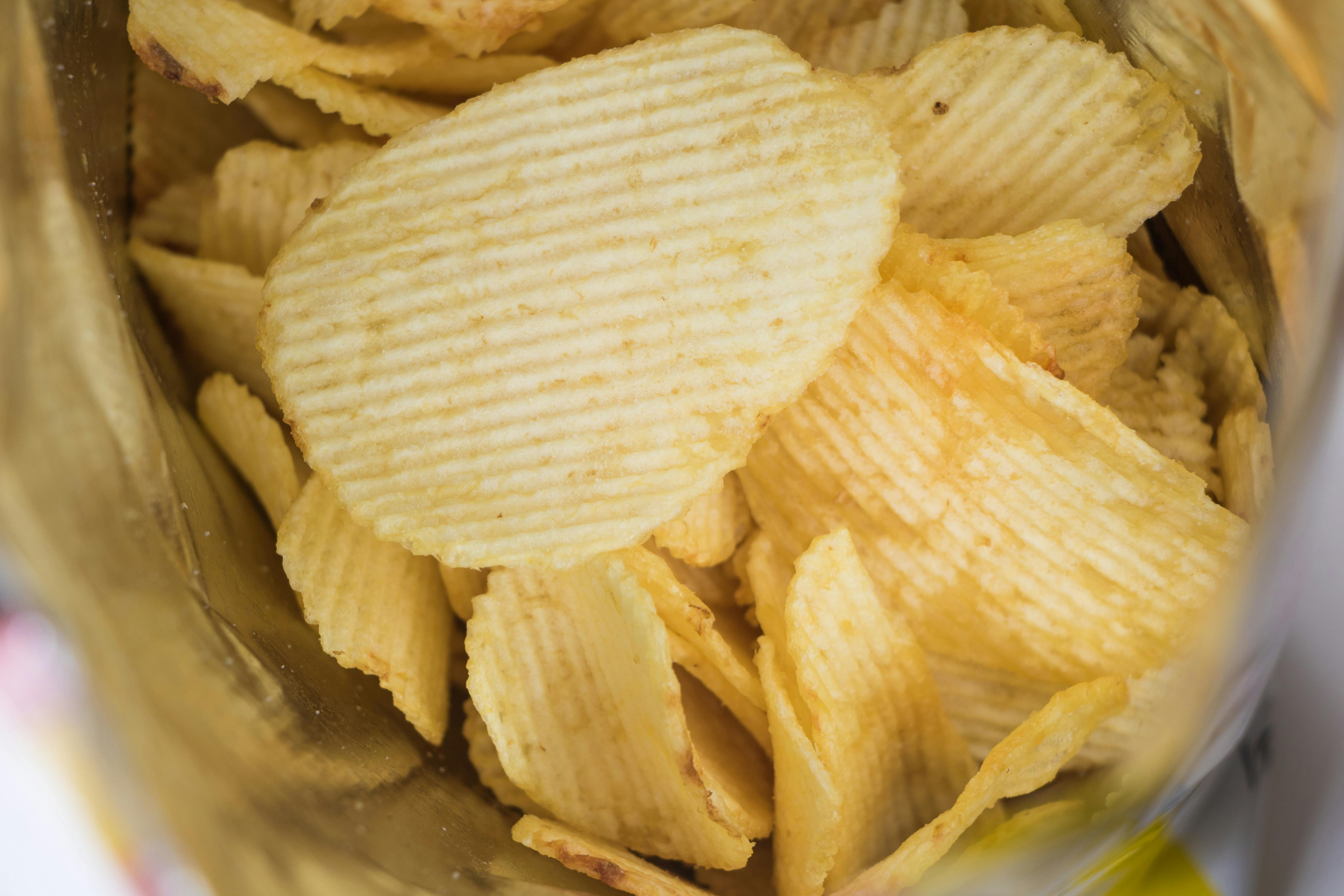
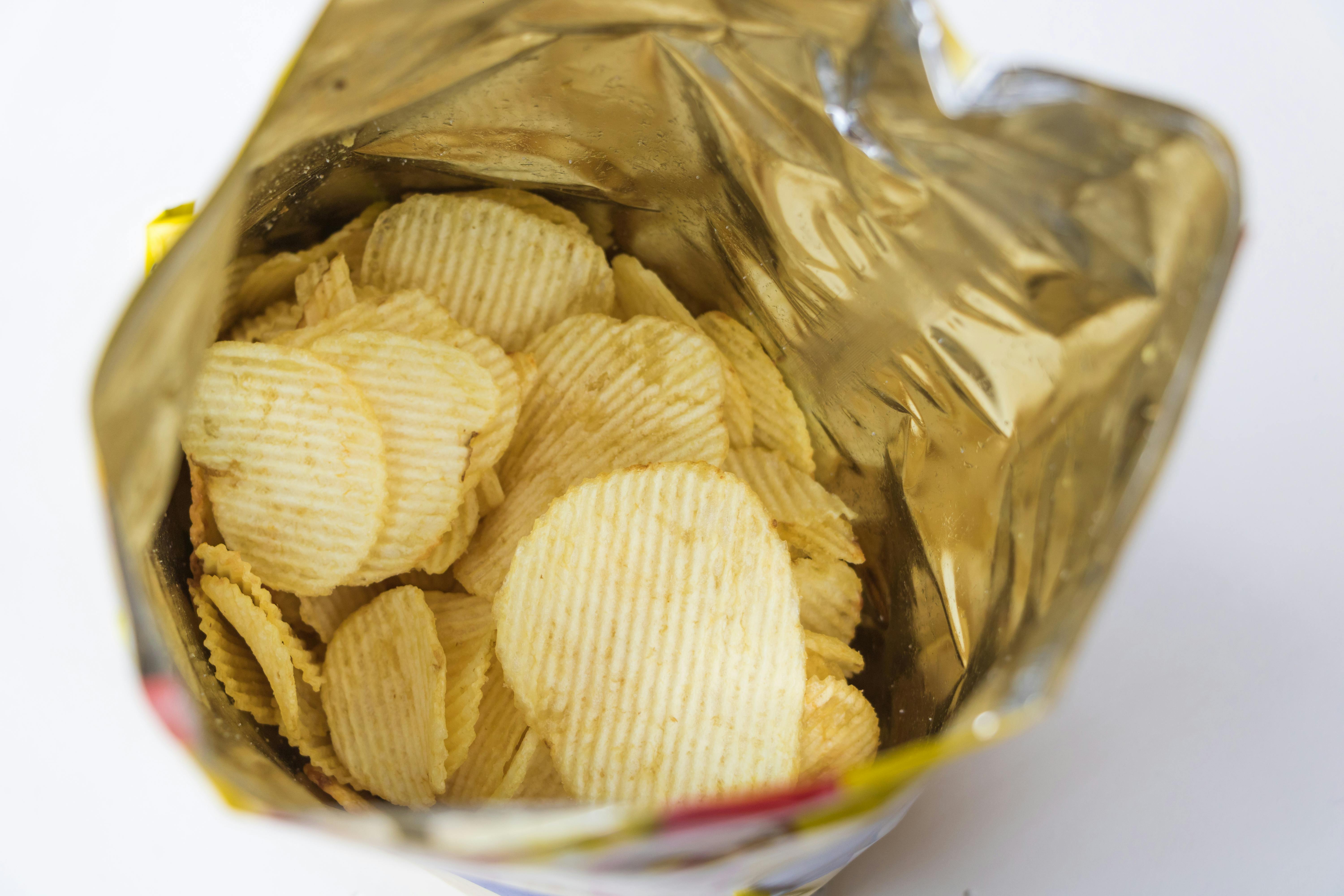
KP Snacks paid approximately £300 million for Tyrrells in 2018, just six years before proposing to shut down its vegetable crisp production
The vegetable crisp category has contracted by approximately 15-20% in volume terms since 2021
Vegetable crisps typically commanded 40-60% price premiums over standard potato crisps during their peak
The Uttoxeter facility closure follows sustained decline in demand and loss of key export volumes
KP Snacks is preparing to shut down production of Tyrrells vegetable crisps at its Uttoxeter facility, marking an ignominious end to what was once Britain's most profitable health food fad. The closure proposal comes just six years after the company paid a reported £300 million to acquire Tyrrells, raising uncomfortable questions about a vastly overpriced bet on a trend that was already past its peak. For anyone who paid £3.50 for a bag of beetroot crisps at Waitrose circa 2016, the reversal won't come as a complete shock.
According to KP Snacks, the decision follows sustained decline in demand and the loss of key export volumes for the vegetable crisp range. Tyrrells' traditional potato crisps, the company was quick to clarify, continue to perform strongly and remain unaffected. The message is clear: consumers are retreating to familiar territory.
Colourful vegetable crisps in premium packaging
When parsnips went premium
The vegetable crisp category exploded across British supermarkets throughout the 2010s, riding twin waves of health consciousness and willingness to pay premium prices for perceived wellness benefits. Beetroot, parsnip, carrot and sweet potato all got the crispy treatment, typically commanding 40-60% price premiums over standard potato crisps. Brands positioned these products as guilt-free indulgence, a way to satisfy snack cravings whilst ticking nutritional boxes.
Enjoying this article?
Get stories like this in your inbox every week.
The fact that deep-fried vegetables retain minimal nutritional advantage over deep-fried potatoes seemed not to matter. Marketing won over chemistry, at least for a while.
What's interesting here is not just that vegetable crisps are declining, but how sharply consumer priorities have shifted under economic pressure. The cost-of-living crisis has brutally exposed which premium products represented genuine value and which were essentially lifestyle signalling. Industry figures suggest the broader vegetable crisp category has contracted by approximately 15-20% in volume terms since 2021, though precise data remains closely guarded by retailers and manufacturers.
Shoppers facing inflation haven't eliminated crisps from their baskets entirely. They've simply stopped paying extra for parsnips. The retreat to potato is emblematic of wider trading-down patterns across UK supermarkets.
When household budgets tighten, the first casualties are products whose premium pricing rests on shaky foundations. A £1.50 bag of Walkers delivers essentially the same satisfaction as a £3 bag of vegetable medley, and financially stretched families have made the obvious calculation.
Shoppers examining products in supermarket aisle
The export question
KP Snacks' reference to loss of key export volumes deserves scrutiny. Whilst the company hasn't specified which markets or what proportion of volume this represents, the timing points towards post-Brexit trade friction as a contributing factor. European markets represented significant growth opportunities for premium British food brands during the 2010s, with products like Tyrrells benefiting from the UK's reputation for quality and innovation in the snacks category.
Increased customs complexity, paperwork burdens and potential tariff implications have made exporting to the EU measurably more difficult for food manufacturers since 2021. Whether Brexit is the primary culprit or simply accelerated an inevitable decline remains unclear. What's certain is that vegetable crisps, as a premium category dependent on specific consumer sentiment, proved particularly vulnerable to any headwinds.
The vegetable crisp collapse offers a cautionary tale for brands chasing wellness trends. Consumer health consciousness hasn't disappeared, but it's increasingly sophisticated. Shoppers want demonstrable benefits, not just virtuous-sounding ingredients at premium prices.
For KP Snacks, the immediate challenge is whether the remaining Tyrrells potato crisp business justifies that £300 million valuation. The brand retains equity in the premium potato category, but stripping out a major product line inevitably raises questions about what exactly was acquired. Broader implications ripple across the snacks industry.
Traditional potato crisps displayed on retail shelf
Private label alternatives have gained ground whilst branded premiums struggled, suggesting retailers captured more value from the health snacking trend than manufacturers did. The next wave of better-for-you snacking will need to deliver either genuine nutritional advantages or significantly lower price points to maintain consumer interest through economic uncertainty.
Expect further consolidation in the premium snacks sector as brands that expanded aggressively during the 2010s confront smaller addressable markets and more sceptical consumers. The vegetable crisp boom is over. The reckoning for companies that bet heavily on its continuation is just beginning.
Premium products built on lifestyle signalling rather than genuine value proposition face existential threat during economic downturns as consumers ruthlessly prioritise functionality over aspiration
The next generation of health snacking must deliver demonstrable nutritional benefits or competitive pricing to succeed with increasingly sophisticated and financially constrained consumers
Watch for further consolidation in premium snacks as brands that overexpanded during the 2010s wellness boom confront permanently smaller addressable markets and higher scrutiny from cost-conscious shoppers
Multi-award winning serial entrepreneur and founder/CEO of Venntro Media Group, the company behind White Label Dating. Founded his first agency while at university in 1997. Awards include Ernst & Young Entrepreneur of the Year (2013) and IoD Young Director of the Year (2014). Co-founder of Business Fortitude.