Natural gas prices surged nearly 50% on Monday following drone strikes on energy facilities in Qatar and Saudi Arabia
The Strait of Hormuz, which channels roughly a fifth of global oil and gas supplies, is effectively closed for most commercial traffic
Brent crude jumped 10% to above $82 per barrel before settling back to $79, whilst gold climbed 2% to $5,388 an ounce
Approximately 1.4 million UK households on tracker and variable-rate mortgages face extended uncertainty as Bank of England rate cuts may pause
British households bracing for mortgage relief may have to wait considerably longer. The Middle East crisis that sent natural gas prices surging threatens to derail the Bank of England's cautious march towards lower interest rates, potentially locking millions into higher borrowing costs just as financial pressure was expected to ease. For consumers already stretched by years of elevated living costs, the timing could hardly be worse.
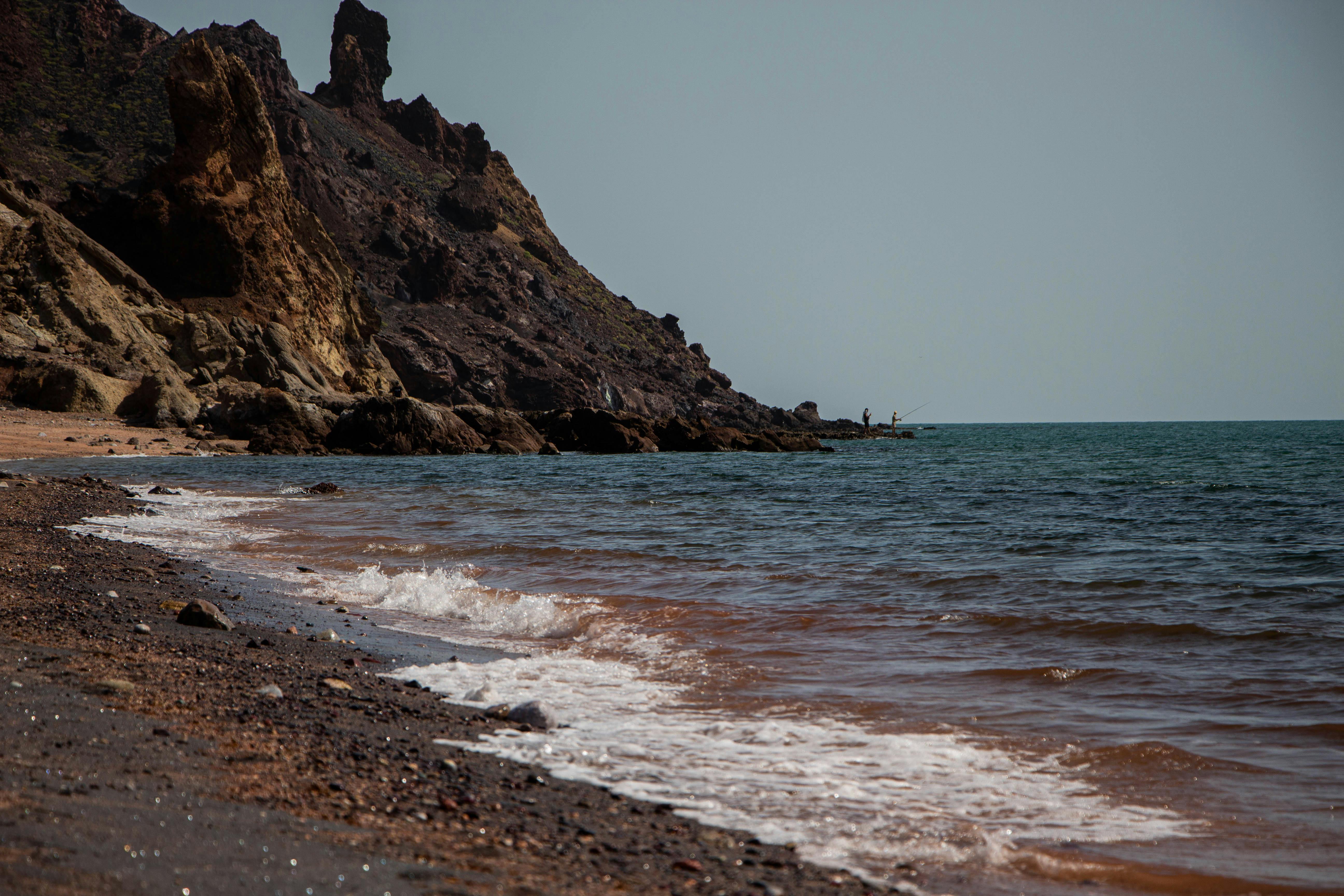
Oil and gas infrastructure in the Middle East
The spike came after drone strikes hit energy facilities in Qatar and Saudi Arabia over the weekend, with Iran warning vessels away from the Strait of Hormuz. The strategic waterway has become the latest flashpoint in an escalating regional conflict. Brent crude jumped 10% to above $82 per barrel before settling back to $79, whilst gold climbed 2% to $5,388 an ounce as investors fled to safe-haven assets.
The Bank of England recently cut rates to 3.75% as inflation appeared finally under control, with policymakers signalling further reductions ahead. That prospect is already dimming.
Enjoying this article?
Get stories like this in your inbox every week.
When energy dominoes start falling
QatarEnergy, amongst the world's largest liquefied natural gas exporters, suspended production after Qatar's Ministry of Defence reported drone attacks on facilities at Ras Laffan Industrial City. Another drone reportedly targeted a water tank at a Mesaieed power plant south of Doha. Across the Gulf, Saudi Aramco temporarily shuttered its major Ras Tanura coastal refinery following a similar strike.
The UK Maritime Trade Operations Centre confirmed that two vessels were struck near the Strait of Hormuz, with an "unknown projectile" detonating in close proximity to a third. Ship-tracking data from Kpler shows at least 150 tankers anchored in open Gulf waters beyond the strait, though a handful of Iranian and Chinese vessels have continued passage.
According to Homayoun Falakshahi from Kpler, the Iranian threats mean "the strait is effectively closed" for most commercial traffic.
Iran's Islamic Revolutionary Guards Corps claimed three UK and US tankers had been "struck by missiles and are burning", though neither London nor Washington has commented on the assertion. Independent verification of the claim remains unavailable.
British exposure runs deeper than the pumps
Financial markets responding to global energy crisis
London markets responded swiftly to the uncertainty. The FTSE 100 shed 1%, with IAG—British Airways' parent company—amongst the worst performers as Middle East airspace disruptions forced route changes. Barclays, HSBC, and Standard Chartered all saw share prices slide as investors calculated the knock-on effects of sustained energy price rises on central bank policy.
European bourses fared worse still. France's CAC-40 dropped 1.8% whilst Germany's Dax fell 2.1% in early afternoon trading, reflecting the continent's particular vulnerability to energy supply shocks.
The immediate concern for British motorists centres on petrol prices. Edmund King, president of the AA, warned that disruption would "inevitably lead to price hikes" at the pumps, though the magnitude depends on conflict duration. What's interesting here is that current oil prices remain below 2022 levels—Robin Mills, chief executive at Dubai-based Qamar Energy and former Shell executive, notes the market isn't yet in "full-blown oil crisis mode". Yet.
The inflation trap reopens
The real danger lies not in today's price spike but in sustained elevation. Subitha Subramaniam, chief economist at Sarasin & Partners, explained that prolonged high oil prices "will start to cascade into other prices such as food, agriculture, industrial commodities and that's just going to really bleed into inflation."
That cascade effect would force the Bank of England into an uncomfortable corner after policymakers spent months engineering a delicate descent from the inflationary peaks of 2022-2023.
Subramaniam suggested the Bank may choose to pause at 3.75% despite recent signals that further reductions were coming. For the roughly 1.4 million UK households on tracker and variable-rate mortgages, that shift in trajectory matters immediately. Those who hoped to remortgage onto lower rates in coming months now face extended uncertainty.
Supply responses and their limits
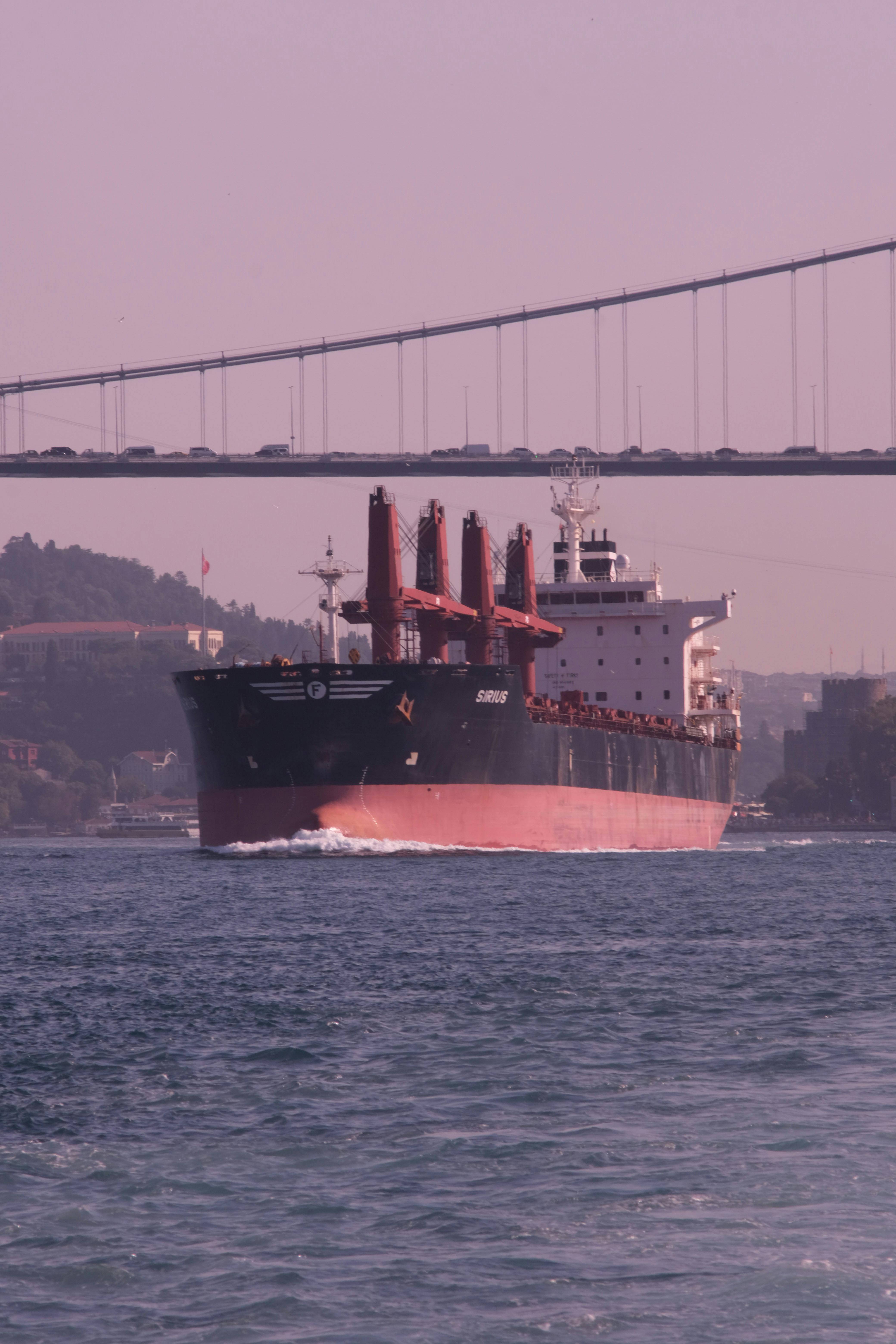
Global shipping routes under pressure from geopolitical tensions
The Opec+ coalition moved quickly on Sunday, agreeing to increase output by 206,000 barrels daily to cushion price rises. Analysts remain sceptical about the measure's effectiveness given the scale of potential disruption. Danish shipping giant Maersk has already paused sailings through the Bab el-Mandeb Strait and Suez Canal, rerouting vessels around the Cape of Good Hope—a diversion that adds weeks to journey times and significant costs.
Saul Kavonic, head of energy research at MST Marquee, told the BBC that markets aren't panicking yet because "oil transport and production infrastructure hasn't been a primary target by any side." Traders are watching for signs that Strait of Hormuz traffic normalises, which would allow prices to subside.
But several analysts have warned that a prolonged closure could push Brent crude above $100 per barrel, a threshold that would trigger widespread economic consequences across import-dependent economies like Britain's. The 2022 energy crisis saw similar price levels, though the context differed—that spike stemmed from Russia's invasion of Ukraine and subsequent supply curtailments, whilst current disruption threatens a chokepoint handling vastly more daily volume.
The coming weeks will reveal whether this proves a temporary shock or the beginning of sustained supply disruption. British policymakers, businesses, and households all have considerable stake in that outcome. After years of economic turbulence, the promise of stability and falling rates had finally seemed within reach. That promise now hangs on developments in a waterway 3,500 miles from London.
This article is for informational purposes and does not constitute financial advice.
Watch for whether Strait of Hormuz traffic normalises within weeks—prolonged closure could push oil above $100 per barrel and trigger widespread economic consequences
Bank of England interest rate cuts are likely paused, meaning anyone planning to remortgage should prepare for rates to hold at 3.75% longer than expected
The cascade effect matters most: sustained oil prices will bleed into food, agriculture, and industrial commodities, potentially reigniting the inflation cycle just as it appeared under control
Multi-award winning serial entrepreneur and founder/CEO of Venntro Media Group, the company behind White Label Dating. Founded his first agency while at university in 1997. Awards include Ernst & Young Entrepreneur of the Year (2013) and IoD Young Director of the Year (2014). Co-founder of Business Fortitude.