Abramovich's £2.35bn Charity Pledge Stalled by UK Sanctions Standoff
- £2.35bn from Chelsea FC's forced sale has been frozen in a UK bank account for nearly three years
- Prime Minister Keir Starmer set a mid-March deadline threatening court action to seize the funds
- Jersey's criminal investigation into £5.3bn held by Abramovich-controlled entities blocks fund release
- Dispute continues over whether donations must go exclusively to Ukraine or broader humanitarian causes
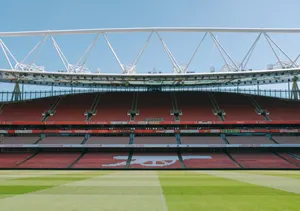
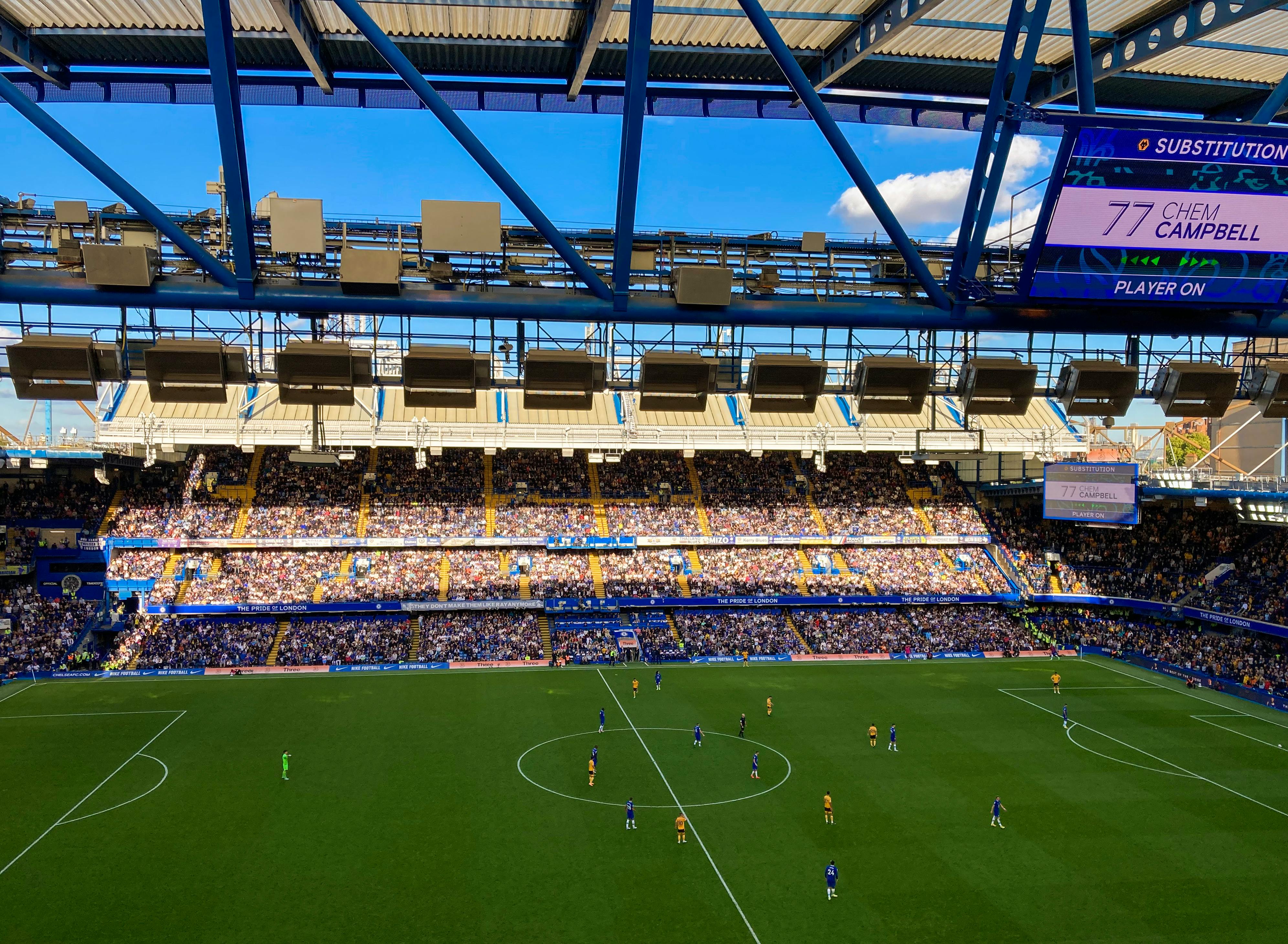
The proceeds from Roman Abramovich's forced sale of Chelsea FC were meant to swiftly aid Ukrainian war victims. Instead, £2.35bn sits frozen in limbo, caught between political posturing, international sanctions law, and competing legal jurisdictions. What was billed as humanitarian justice has become a masterclass in bureaucratic paralysis.
Abramovich pledged the proceeds from the May 2022 sale to help those affected by Putin's invasion. That much is straightforward. What's emerged since is a tangled web of competing legal jurisdictions, undefined charitable terms, and a UK government that appears to be threatening seizure rather than working to fulfil the oligarch's original commitment.
The threat from Downing Street came late last year, when Prime Minister Keir Starmer set a mid-March deadline for Abramovich to sign off on releasing the funds. According to Starmer, the government stands ready 'to enforce it through the courts so that every penny reaches those whose lives have been torn apart by Putin's illegal war'. Strong words. Whether the legal substance matches the rhetoric is another matter entirely.
Enjoying this article?
Get stories like this in your inbox every week.
Abramovich's lawyers have characterised the government's approach as treating a voluntary donation 'as a form of punitive measure', which fundamentally misunderstands the nature of the pledge.
Abramovich's lawyers have now fired back with a pointed reminder: the frozen funds remain his property, and any attempt at confiscation will be contested in court. They've also characterised the government's approach as treating a voluntary donation 'as a form of punitive measure', which fundamentally misunderstands the nature of the pledge.
A Jersey-shaped catch-22
The immediate obstacle isn't Abramovich's willingness to donate, at least according to his legal team. The problem is Jersey.
Authorities on the Channel Island launched a criminal investigation in April 2022 into the source of £5.3bn held by Camberley International Investments, another Abramovich-controlled entity. That investigation remains active, and Fordstam Limited, the company holding the Chelsea proceeds, allegedly owes Camberley £1.4bn.

This creates an elegant legal impasse. Abramovich argues he cannot authorise the release of funds from Fordstam whilst Jersey investigates the financial structure those funds are entangled with. Jersey continues its investigation into the source of billions in assets. The UK government issues ultimatums and threatens court action. Ukraine receives nothing.
What's remarkable here is that all parties claim to want the money to reach humanitarian causes, yet the bureaucratic machinery has ground to a complete halt. Three years is a long time for £2.35bn to sit idle, particularly when the humanitarian crisis it was meant to address continues unabated.
Whose charity, exactly?
Even if the Jersey proceedings concluded tomorrow, another dispute lurks beneath the surface. The UK government has insisted that funds must go exclusively to causes within Ukraine itself. Abramovich's original pledge, made at the time of the sale, referenced 'victims of the war in Ukraine' but appears to have left room for broader humanitarian interpretation.
This isn't a trivial distinction. The question of eligible recipients should have been nailed down in 2022, ideally before the sale completed. That it remains contested nearly three years later suggests the terms were never properly formalised, leaving each side to interpret the commitment according to their preferences.
The government's position is politically defensible. Restricting funds to Ukraine proper ensures the money reaches those most directly affected and prevents any creative accounting that might soften the impact of sanctions. But insisting on narrow terms for a voluntary donation from frozen assets that legally remain Abramovich's property is a delicate stance, particularly when threatening confiscation as the alternative.
Freezing assets under sanctions is one thing; permanently seizing private property requires a criminal conviction or proof that the funds themselves are proceeds of crime.
The legal basis for such confiscation remains unclear. Freezing assets under sanctions is one thing; permanently seizing private property requires a criminal conviction or proof that the funds themselves are proceeds of crime. Starmer's December statement sounds decisive, but whether the government actually possesses the legal grounds to follow through is an open question. Abramovich's team clearly believes it doesn't, hence the willingness to contest any action in court.
The paradox of virtue-signalling sanctions
There's an uncomfortable irony running through this entire saga. Abramovich was sanctioned because of his proximity to Putin and his role in Russia's economic elite. The forced sale of Chelsea was meant to demonstrate that Britain takes sanctions seriously and won't allow oligarchs to maintain their comfortable UK holdings whilst their country wages war.

Yet the net result, three years on, is that Ukraine has received none of the promised funds, the government is threatening legal action against the very person who pledged to donate, and Jersey's investigation has created a convenient excuse for inaction. The UK's maximalist approach to enforcement has arguably prevented the one positive outcome everyone claimed to support.
Financial sanctions are blunt instruments by nature. This case illustrates what happens when political rhetoric about 'making oligarchs pay' meets the reality of modern corporate structures, overlapping jurisdictions, and the fundamental principle that frozen assets aren't confiscated ones.
The clock may be ticking, as Starmer insisted in December. But the question is what happens when the deadline passes. Court proceedings could drag on for years. Jersey's investigation has no specified end date. Abramovich shows no signs of capitulating to government pressure without a fight. The most likely outcome isn't a courtroom victory for any party, but rather years more of legal stalemate whilst £2.35bn continues gathering interest in a frozen account, helping no one.
- Political grandstanding on sanctions can backfire spectacularly when unclear terms and overlapping jurisdictions create legal gridlock that prevents intended humanitarian outcomes
- Watch for whether the UK government actually has legal grounds to confiscate rather than merely freeze assets—Starmer's mid-March deadline may prove unenforceable without criminal convictions
- The real test of sanctions effectiveness isn't rhetorical toughness but practical results—three years of frozen funds helping nobody reveals the gap between virtue signalling and genuine impact

Co-Founder
Multi-award winning serial entrepreneur and founder/CEO of Venntro Media Group, the company behind White Label Dating. Founded his first agency while at university in 1997. Awards include Ernst & Young Entrepreneur of the Year (2013) and IoD Young Director of the Year (2014). Co-founder of Business Fortitude.
Comments
💬 What are your thoughts on this story? Join the conversation below.
to join the conversation.