Axel Springer's Telegraph Buy: A Case of Selective Foreign Ownership Concerns
- The Telegraph has been sold to German media conglomerate Axel Springer after three years of ownership uncertainty
- Daily Mail and General Trust agreed a £500 million purchase last year that subsequently collapsed; Axel Springer's purchase price remains undisclosed
- RedBird IMI's Abu Dhabi-backed takeover was blocked by ministers on foreign ownership grounds, whilst German ownership has been approved
- Axel Springer operates in roughly 25 countries with more than 10,000 employees and owns Politico, Business Insider, and Bild
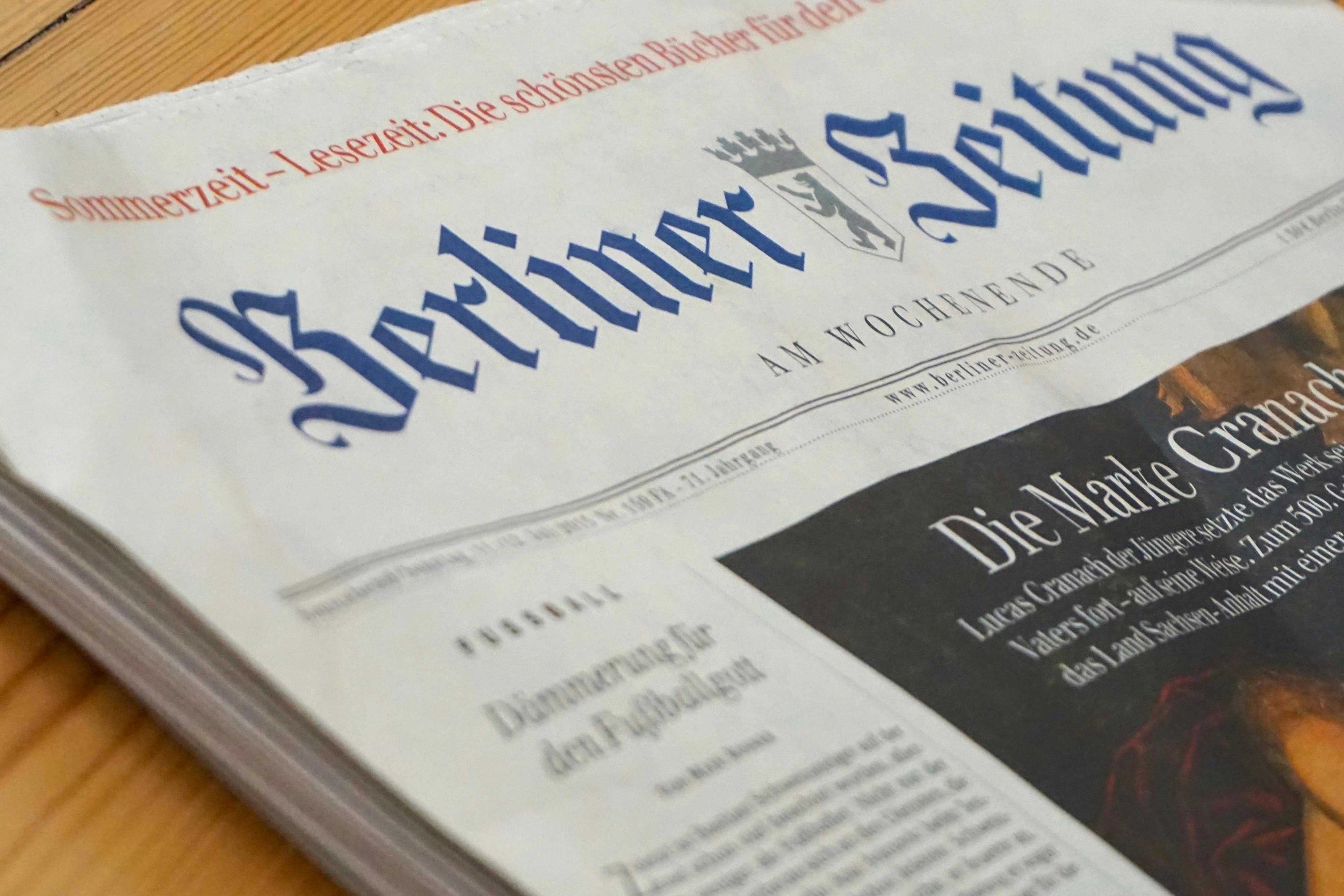
The Telegraph has survived three years of ownership limbo, a blocked Abu Dhabi-backed takeover, and a collapsed £500 million sale to a rival publisher. This week, it finally found a buyer the government finds acceptable: German media conglomerate Axel Springer. The irony of blocking Gulf money on foreign ownership grounds whilst waving through German control has not gone unnoticed.
RedBird IMI, the Abu Dhabi-backed consortium that briefly owned The Telegraph, was forced to sell after ministers deemed foreign state influence over a major British newspaper unacceptable. Fair enough. Media plurality matters, particularly when it comes to outlets that shape political discourse. But Axel Springer's successful bid raises an uncomfortable question about which foreign owners are palatable and which aren't.
The German publisher, which owns Politico, Business Insider, and Germany's tabloid heavyweight Bild, returned to a "wholly family-owned structure" just last year after a stint with American private equity giant KKR as majority shareholder. That recent history of financial engineering doesn't appear to trouble regulators the way Abu Dhabi's sovereign wealth did. Geography and governance structure matter, apparently. So does perception.
Enjoying this article?
Get stories like this in your inbox every week.
When foreign ownership is fine, actually
Axel Springer chief executive Mathias Döpfner described the acquisition as a "dream come true", noting that the company first attempted to buy The Telegraph two decades ago in 2004. His commitment to preserving the newspaper's "distinctive character and legacy" sounds reassuring. Whether that survives contact with the company's aggressive digital-first strategy and AI ambitions is another matter entirely.
What's particularly telling is the financial opacity surrounding this deal. Daily Mail and General Trust had agreed a £500 million purchase last year before that arrangement fell apart. Axel Springer's purchase price remains undisclosed. That silence invites speculation about whether this represents a bargain-basement acquisition after years of uncertainty depressed the asset's value.
The goal is to transform The Telegraph into "the most read and intellectually inspiring centre-right media outlet in the English-speaking world".
The German publisher hasn't been shy about its plans. According to Döpfner, the goal is to transform The Telegraph into "the most read and intellectually inspiring centre-right media outlet in the English-speaking world". That's an ambition, not a mission statement The Telegraph itself would recognise. The paper has spent 169 years cultivating a specifically British conservative voice.
Axel Springer has explicitly stated it wants to accelerate The Telegraph's US expansion, drawing on expertise from Politico and Business Insider. Both publications have embraced a digital-native, data-driven approach to journalism that differs markedly from The Telegraph's traditional model. The company has also emphasised its commitment to artificial intelligence as central to the "future of the world's media". Readers expecting continuity may want to recalibrate those expectations.
The AI question nobody's asking
Strip away the reassuring rhetoric about preserving editorial independence, and Axel Springer's track record suggests a publisher unafraid of radical change. Bild, its flagship German tabloid, has undergone extensive digital transformation. Business Insider operates as a content machine optimised for engagement metrics. Politico pioneered the high-velocity, insider-focused model that has reshaped political journalism.
None of these suggest a hands-off approach to a legacy British broadsheet. The company operates in roughly 25 countries with more than 10,000 employees. It's a sprawling media operation with commercial imperatives that don't necessarily align with The Telegraph's self-conception as a paper of record for British conservatism.
Ministers blocked RedBird IMI on the grounds that allowing Gulf state influence over British media posed risks to editorial independence and democratic discourse.
What's interesting here is the selective application of foreign ownership concerns. Ministers blocked RedBird IMI on the grounds that allowing Gulf state influence over British media posed risks to editorial independence and democratic discourse. That's a defensible position. But it assumes that private German ownership carries no such risks, or at least manageable ones.
The government's logic appears to rest on the distinction between state-backed and privately held foreign buyers. RedBird IMI's connection to Abu Dhabi's sovereign wealth made it unacceptable. Axel Springer's family ownership structure, despite its recent private equity entanglement, passes muster. That's a bright line in theory. In practice, it reveals how arbitrary these determinations can be.
What happens when the novelty wears off
Media ownership rules exist to prevent concentration of power and protect editorial plurality. They're supposed to ensure that diverse voices can reach British audiences without undue influence from vested interests. Blocking Gulf money whilst approving German control suggests the government views some foreign influences as more benign than others. Perhaps that's true. Or perhaps it reflects which relationships matter more to post-Brexit Britain.

The Telegraph's new owners will face pressure from multiple directions. Commercially, the paper needs to adapt to digital subscription models whilst competing with younger, nimbler competitors. Editorially, it must maintain the trust of a readership that values tradition and scepticism of change. Strategically, Axel Springer wants a transatlantic platform for centre-right journalism, not merely a British institution.
Those tensions won't resolve themselves with platitudes about preserving distinctive character. Döpfner's reference to The Telegraph's commitment to "freedom, personal responsibility, democratic values and a belief in open societies and market economies" could describe half the newspapers in the English-speaking world. Specificity matters. So does accountability.
The coming months will reveal whether Axel Springer truly intends a light-touch approach or whether The Telegraph becomes another asset in a portfolio optimised for digital reach and algorithmic engagement. Readers, staff, and politicians will be watching. So will other publishers wondering whether Britain's media ownership rules mean anything consistent or merely reflect the political winds of the moment.
- Watch whether Axel Springer's digital-first, AI-focused strategy fundamentally transforms The Telegraph's traditional journalism model or whether promised editorial independence holds
- The government's approval reveals inconsistent media ownership standards: state-backed foreign buyers are unacceptable whilst private foreign conglomerates pass scrutiny, raising questions about regulatory coherence
- The Telegraph's transatlantic expansion ambitions may dilute its specifically British conservative voice in favour of a broader centre-right platform optimised for engagement metrics rather than institutional legacy

Co-Founder
Multi-award winning serial entrepreneur and founder/CEO of Venntro Media Group, the company behind White Label Dating. Founded his first agency while at university in 1997. Awards include Ernst & Young Entrepreneur of the Year (2013) and IoD Young Director of the Year (2014). Co-founder of Business Fortitude.
Comments
💬 What are your thoughts on this story? Join the conversation below.
to join the conversation.