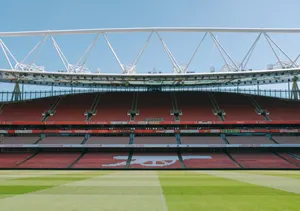
Birmingham's £4bn Stadium: Public Funds, Private Gains
- West Midlands Mayor Richard Parker has secured government backing for transport infrastructure supporting a £4bn stadium and property development owned by American billionaire Tom Wagner's Knighthead Capital
- Parker claims a 2.5x return multiplier on every £1bn invested, projecting £10bn in economic returns, though these figures have not been attributed to independent economic analysis
- Wagner's Knighthead Capital acquired Birmingham City in 2023 and plans a 60,000-capacity stadium with 12 decorative chimneys on disused industrial land
- Academic research shows economic impact studies for publicly funded stadium infrastructure routinely overestimate benefits by 300-500 per cent
American billionaire Tom Wagner has secured a remarkable deal: British taxpayers will fund transport infrastructure for his £4bn Birmingham property development, whilst his Knighthead Capital provides the private investment for the stadium itself. What West Midlands Mayor Richard Parker frames as economic opportunity for Britain's second city represents a template for how US sports investors are converting British cities' regeneration desperation into publicly subsidised real estate portfolios.
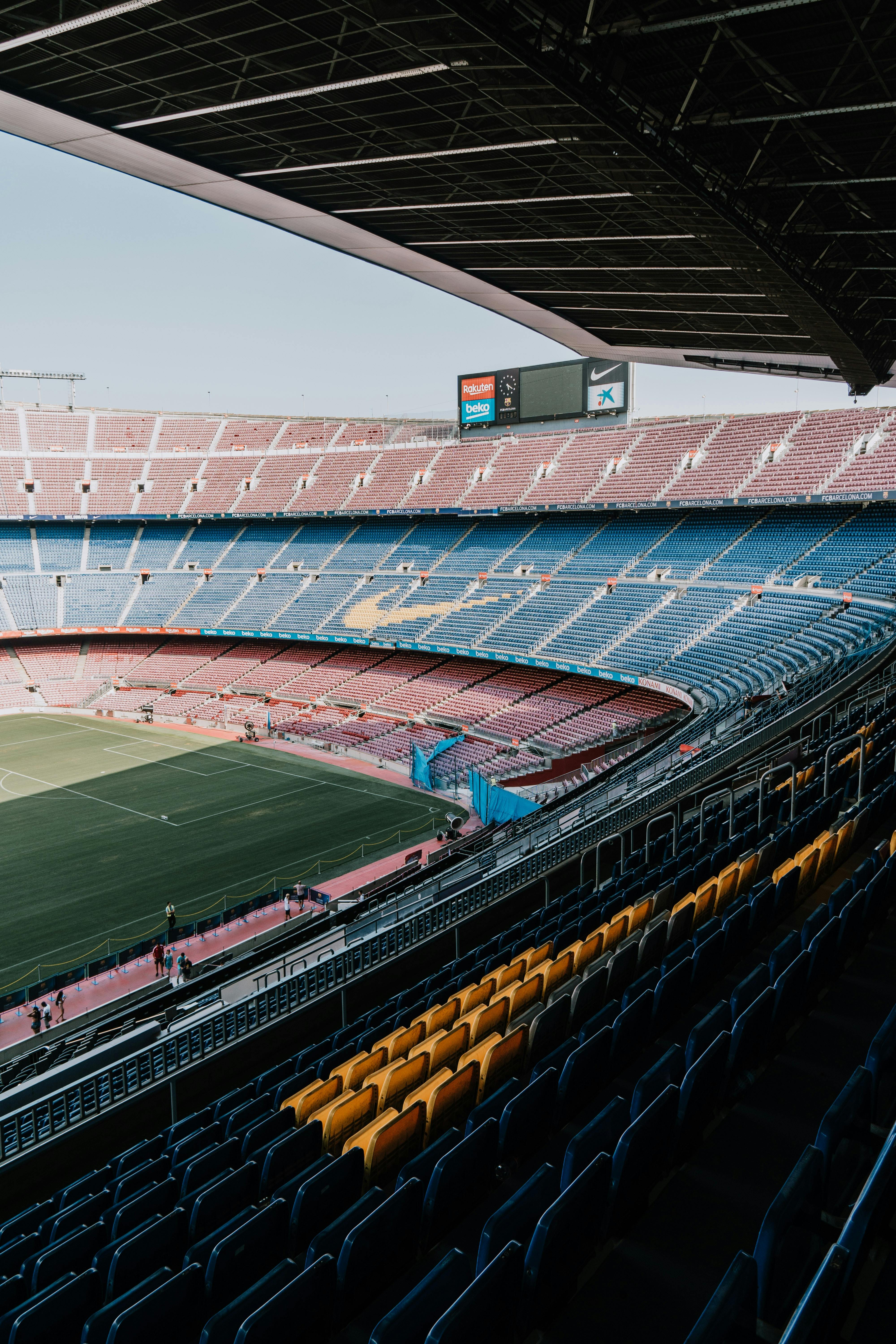
Wagner's Knighthead Capital, which acquired Birmingham City in 2023, has unveiled plans for a massive sports quarter on disused industrial land, centred around a new 60,000-capacity stadium featuring 12 decorative chimneys. The project combines private capital for the stadium itself with public funding for the transport connections that will make Wagner's property development viable. Parker's pitch to the Chancellor and Transport Secretary emphasised job creation in a deprived area of Britain's second city, securing government backing for infrastructure that would otherwise fall on the developer's balance sheet.
The economics being sold to taxpayers warrant scrutiny. Parker claims a 2.5x return multiplier on every £1bn invested, suggesting the £4bn project could generate £10bn in economic returns for the region. These projections, which Parker has not attributed to independent economic analysis, follow a familiar pattern in stadium economics: consultancy reports commissioned by interested parties tend to produce optimistic multipliers that rarely materialise once the concrete sets.
Enjoying this article?
Get stories like this in your inbox every week.
Research published by academic economists has consistently found that publicly funded stadium infrastructure delivers far lower returns than projected, with economic impact studies routinely overestimating benefits by 300-500 per cent.
British taxpayers have been here before with the London Stadium, where public investment of £486m became a cautionary tale in how governments misjudge the financial sustainability of ambitious sports infrastructure.
The multi-sport property strategy
Wagner's approach demonstrates increasing sophistication among American sports investors entering British markets. Knighthead Capital doesn't just own Birmingham City; it holds a stake in Birmingham Phoenix, the city's Hundred cricket franchise. This multi-sport portfolio mirrors US franchise models where teams serve as anchors for broader real estate development and media rights packages.

The strategy makes commercial sense for Wagner. Securing public funding for transport infrastructure de-risks the property development whilst increasing the value of surrounding land holdings. For Birmingham, a city that has struggled to match Manchester's regeneration success, the promise of jobs and international sporting events creates political pressure to approve deals that might not survive strict value-for-money analysis.
What's particularly striking is the scale of investment relative to Birmingham City's current status. The club plays in the Championship, English football's second tier, after relegation in 2024. A £4bn development for a second-tier club represents an unusually large bet on either rapid promotion to the Premier League or a belief that the real returns lie in property appreciation and mixed-use development rather than matchday revenue.
Parker emphasises the timing around Euro 2028 and the European Athletics Championships arriving in Birmingham this summer. The implication: international events require world-class infrastructure, and private capital willing to build it should be welcomed with open arms and open wallets. Yet other cities have demonstrated that major sporting events can be hosted without gifting infrastructure to billionaires.
The Reynolds precedent
Parker's source material references Birmingham City alongside Wrexham, owned by actors Ryan Reynolds and Rob McElhenney, as examples of "smart engagement" tapping public money. The comparison is telling. Both clubs have attracted significant American capital to unglamorous locations, promising regeneration that local politicians find politically irresistible.
When Parker tells the Chancellor that investors "could put their money anywhere" and might "turn their back on this place," he's articulating a race to the bottom where British cities outbid each other in public subsidy to attract developments that primarily benefit private shareholders.
What's missing from Parker's account is any public polling or consultation data supporting his claim of "strong public backing" for the stadium plans. Birmingham residents might indeed welcome a new stadium and jobs, but whether they'd support the specific financial structure if presented with alternative uses for transport infrastructure investment is a different question. The council vote Parker says he will "absolutely" push to approve will reveal whether local democracy functions as meaningful oversight or rubber stamp.
Wagner's frustration last January, when Manchester United's stadium plans dominated headlines, reveals something about the competitive dynamics at play. American investors expect cities to compete for their attention, and mayors like Parker view that competition through the lens of inter-city rivalry. The risk is that this dynamic produces deals where the public sector assumes risk whilst private investors capture upside.
Whether Birmingham's gamble pays off depends on variables outside the council's control: Birmingham City's promotion prospects, broader property market conditions, and whether the projected job creation materialises in the quantities and qualities promised. Other British cities watching Parker's negotiations will draw their own conclusions about the price of attracting American sports capital. The early evidence suggests that price includes transport infrastructure funded by taxpayers to support privately owned property empires, wrapped in the language of regeneration and opportunity.
- British cities are increasingly competing to attract American sports investment by offering public subsidies, creating a race to the bottom where taxpayers assume infrastructure risk whilst private investors capture property appreciation upside
- The Birmingham deal establishes a concerning precedent: unverified economic multipliers and promises of regeneration may pressure councils into approving developments that primarily benefit billionaire owners rather than local residents
- Watch whether Parker's projected returns materialise and whether other British cities adopt similar public-private funding structures that prioritise attracting foreign capital over value-for-money analysis

Co-Founder
Multi-award winning serial entrepreneur and founder/CEO of Venntro Media Group, the company behind White Label Dating. Founded his first agency while at university in 1997. Awards include Ernst & Young Entrepreneur of the Year (2013) and IoD Young Director of the Year (2014). Co-founder of Business Fortitude.
Comments
💬 What are your thoughts on this story? Join the conversation below.
to join the conversation.