Labour's Fuel Duty Dilemma: Fiscal Responsibility vs. Political Survival
- The 5p fuel duty cut, introduced as a temporary 12-month measure in 2022, is approaching its third birthday and costs the Treasury hundreds of millions in foregone revenue
- Reform UK proposes funding the continued cut by scrapping £9.4bn in carbon capture subsidies and cancelling heat pump and EV grants
- Fuel duty has not risen with inflation since 2011, creating a significant gap between expected Treasury revenue and reality
- The planned fuel duty increase is scheduled for September 2025, just as Middle East tensions threaten to push petrol prices higher
The Chancellor faces a political squeeze that neatly encapsulates Labour's governing dilemma: protect household budgets or protect the Treasury's books, all while Middle East tensions threaten to send petrol prices climbing just as a planned fuel duty increase looms in September. Rachel Reeves is now fielding demands from across the opposition benches to abandon her plan to phase out a 5p fuel duty cut first introduced by Rishi Sunak in 2022. Reform UK, the Conservatives, and the Liberal Democrats have all called for the temporary relief to remain permanent.
Their timing is hardly accidental—oil prices have risen since the US and Israel began strikes on Iran, raising the spectre of supply disruptions and further pain at the forecourt. What's interesting here is that this supposedly "temporary" measure has now been extended repeatedly by two different governments, creating the kind of fiscal fiction that makes Treasury officials wince. The cut was meant to last 12 months.
The fiscal arithmetic gets uncomfortable
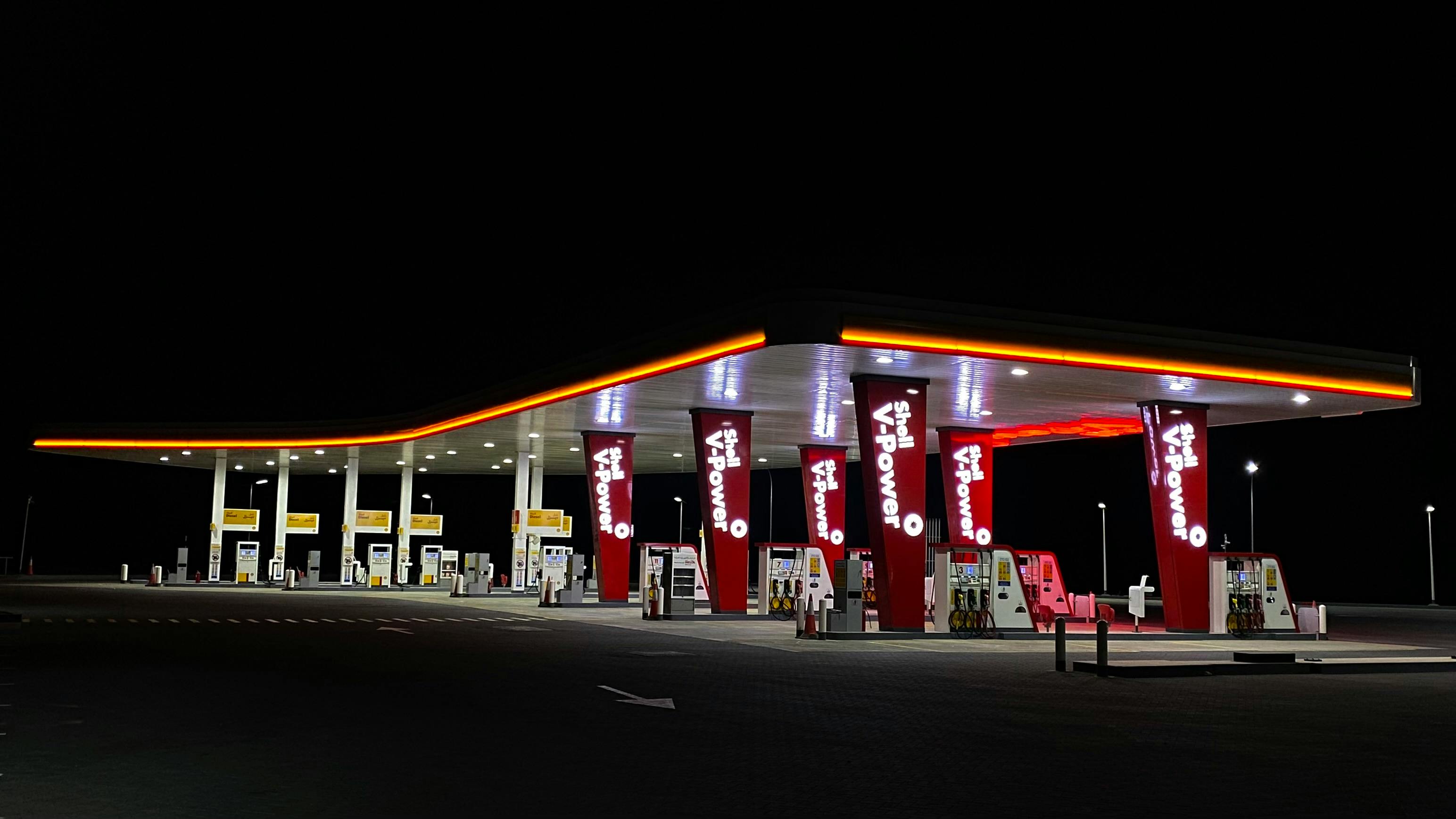
Reform UK has at least attempted to show its working. The party proposes funding the continued cut by scrapping £9.4bn in carbon capture subsidies and cancelling government grants for heat pumps and electric vehicles. Robert Jenrick, Reform's Treasury spokesman, staged a news conference at a Derbyshire petrol station—complete with branded price boards showing a hypothetical "Reform reduction"—to argue this was the "worst possible moment" for duty to rise.
Enjoying this article?
Get stories like this in your inbox every week.
The proposal exposes the real trade-off Reeves faces. This isn't free money. Reform's funding model would effectively gut the government's near-term climate infrastructure spending to provide immediate relief to motorists.
Whether that's wise policy depends entirely on your view of carbon capture's viability and the urgency of transport decarbonisation. Farage's description of green levies as "lunatic" makes clear where his party stands, though it's worth noting that's political rhetoric rather than fiscal analysis.
The problem for Reeves is that her Budget is already operating on tight margins. She's raised taxes elsewhere to fund spending commitments, and her fiscal headroom has drawn scrutiny from economists who question whether the sums actually add up. Fuel duty hasn't risen with inflation since 2011, creating a yawning gap between expected Treasury revenue and reality.
Political convenience meets fiscal reality
The Conservatives have published a Commons motion seeking to force a vote on the issue, which takes some nerve given they created this mess by repeatedly extending what they themselves described as temporary relief. Their position now is politically convenient but fiscally incoherent—they oppose the duty rise without specifying how they'd cover the cost.
Reeves offered little comfort during Commons questions on Tuesday. She suggested the "most important thing" government could do was help "de-escalate" the Middle East conflict—a statement that's technically true but practically meaningless for motorists watching pump prices. She also noted that ministers recently launched a scheme providing real-time forecourt price data to help drivers "shop around", which sounds rather like telling people to rearrange deckchairs.
More intriguing was her hint that the government might raise the tax-free mileage rate for drivers claiming expenses, currently frozen at 45p per mile since 2011. This would provide relief to business travellers and sole traders without the broader fiscal hit of abandoning fuel duty plans entirely. Whether that's sufficient to mollify critics seems doubtful.
The political theatre around Farage's petrol station appearance included awkward questions about Reform's position on Iran strikes, with the party leader admitting "differing opinions" within his frontbench about whether Britain should participate directly.
The road ahead narrows
Reeves finds herself trapped between competing pressures that admit no easy resolution. Abandon the duty increase and she worsens her fiscal position, potentially requiring compensating cuts or tax rises elsewhere. Proceed as planned and she hands opposition parties a ready-made cost-of-living attack line just as geopolitical instability makes petrol more expensive.
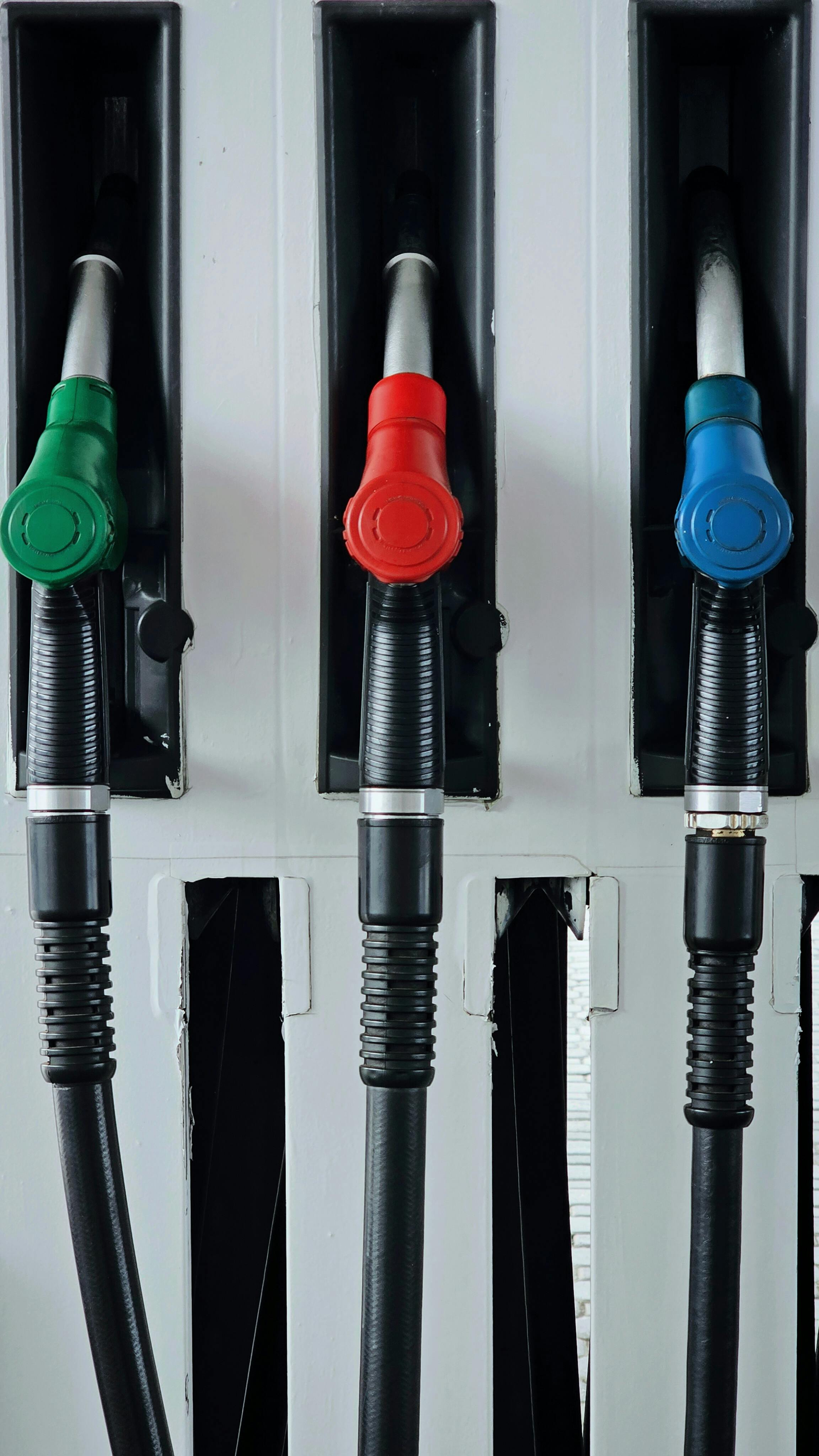
The Treasury has consistently maintained that fuel duty must eventually return to its pre-2022 level and resume rising with inflation. Officials argue, correctly, that the freeze since 2011 represents an enormous implicit subsidy to motorists—one that grows more expensive each year and increasingly conflicts with decarbonisation objectives. Yet the political cost of acting on that logic keeps rising alongside pump prices.
The September deadline gives Reeves some breathing room, but not much. If Middle East tensions persist and oil prices climb further, the pressure to extend the cut again will intensify. Her response will signal whether Labour is prepared to make difficult fiscal choices or whether, like the Conservatives before them, they'll discover that temporary measures have a habit of becoming permanent when voters are watching.
- The Chancellor must choose between fiscal discipline and political expediency by September, with rising oil prices making either option increasingly painful
- Any decision will set the tone for Labour's broader approach to difficult trade-offs between climate objectives, Treasury revenue, and household costs
- Watch whether Reeves opts for targeted relief measures like raising mileage allowances rather than extending the blanket fuel duty cut

Co-Founder
Multi-award winning serial entrepreneur and founder/CEO of Venntro Media Group, the company behind White Label Dating. Founded his first agency while at university in 1997. Awards include Ernst & Young Entrepreneur of the Year (2013) and IoD Young Director of the Year (2014). Co-founder of Business Fortitude.
Comments
💬 What are your thoughts on this story? Join the conversation below.
to join the conversation.