UK's Forced Sale Order on Chinese-Owned Chipmaker: A Toothless Threat?
- Chinese investors acquired Glasgow semiconductor firm FTDI in 2021 for approximately £310 million, securing an 80 per cent stake
- UK ministers ordered forced divestment in November 2024 under the National Security and Investment Act after FTDI components were found in captured Russian military equipment
- One shareholder has written down £22 million tied to the investment, anticipating losses from an eventual forced sale at a significant discount
- Multiple disposal deadlines have elapsed without action, with the company remaining under Chinese control more than 12 months after initial intervention
A year has passed since UK ministers ordered Chinese state-backed investors to sell their majority stake in a Glasgow semiconductor manufacturer. The company remains firmly in Chinese hands, the forced divestment deadlines have come and gone, and the government's response amounts to little more than continued 'engagement'. For a landmark case meant to demonstrate Britain's resolve on national security, the situation exposes an uncomfortable truth: having the power to order a forced sale and having the ability to enforce one are two entirely different things.
Future Technology Devices International, which produces USB bridge chips that help older hardware communicate with modern systems, was acquired in 2021 by funds linked to Beijing Jianguang Asset Management for roughly $414 million (£310 million). The Chinese consortium secured approximately 80 per cent of the business through a UK holding company. The transaction initially passed without significant pushback.
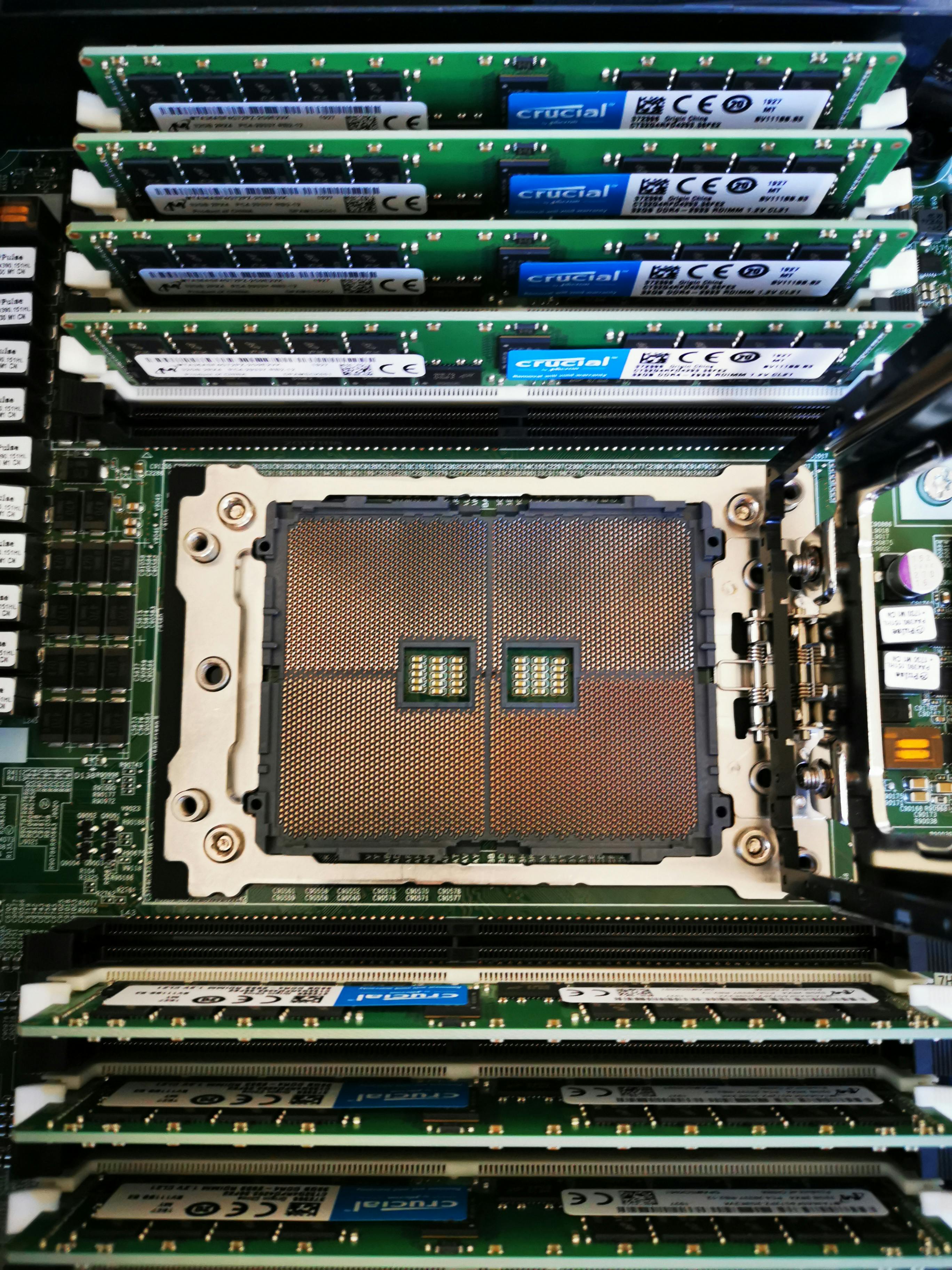
What changed was Russia's full-scale invasion of Ukraine. According to reporting by The Telegraph, FTDI components were subsequently identified inside a captured Russian tank, highlighting how seemingly mundane semiconductor technology can find its way into weapons systems through opaque supply chains. That discovery prompted a national security review, which concluded the company's technology could "potentially be deployed in ways that are contrary to UK national security."
Enjoying this article?
Get stories like this in your inbox every week.
When forced divestment meets reality
The Cabinet Office invoked powers under the National Security and Investment Act in November 2024, ordering the Chinese investors to divest their holding. That act, which came into force in 2022, was specifically designed to give ministers teeth on sensitive transactions. This case represents one of the first major tests of those forced divestment powers.
Corporate filings tell the story of what has happened since: precisely nothing. FTDI's most recent accounts, published last week, confirm the company remains controlled by the same investor group. Documents from firms linked to the consortium show multiple disposal deadlines have already elapsed without action.
The only tangible development has been financial pain for the investors themselves, with one shareholder writing down approximately £22 million tied to the investment as it braced for losses when the stake is eventually sold.
That writedown suggests any forced sale will likely occur at a significant discount to the original purchase price, which may itself be complicating negotiations over valuation and deterring potential buyers. What's conspicuously absent is any indication of consequences for non-compliance. A government spokesman told reporters that ministers were "continuing to work with FTDI holding structure to make sure it complies with the final order" but declined further comment.
The enforcement vacuum
The semiconductor industry has become the sharpest edge of technology competition between Western economies and China. Governments across Europe and North America have spent the past three years tightening controls on chip technology exports, screening foreign investment more aggressively, and pouring billions into domestic production capacity. Semiconductors are no longer just components; they are strategic assets that underpin everything from artificial intelligence to advanced weapons systems.

China, for its part, is accelerating in the opposite direction. At this year's National People's Congress, Premier Li Qiang identified AI, semiconductors, and robotics as pillars of what Beijing calls its emerging "smart economy". References to artificial intelligence in the government's annual work report more than doubled year-on-year, according to analysis of the text, sparking renewed investor interest in Chinese technology sectors despite Western export controls.
Britain sits awkwardly within this landscape. The UK semiconductor industry is modest compared to manufacturing giants in Taiwan, South Korea, or even Germany. But it retains pockets of genuine expertise, particularly in design and specialised components like those FTDI produces.
USB bridge chips might sound prosaic, but they are embedded across industrial equipment and consumer electronics, creating multiple pathways for technology to migrate into unintended applications.
Legal powers without practical enforcement
The National Security and Investment Act was meant to address exactly this problem. Ministers gained powers to scrutinise or block transactions, impose conditions, or force retrospective unwinding of deals deemed threatening to national security. The legislation passed with cross-party support and was widely viewed as bringing Britain's investment screening regime into line with allied nations.
What the FTDI case exposes is the gap between legal powers and practical enforcement. Ministers can issue orders, but if investors decline to comply and the government is unwilling or unable to impose meaningful penalties, those orders become suggestions. FTDI has previously stated it follows all applicable laws and does not condone misuse of its technology, a position that sidesteps the question of ownership entirely.
The precedent being set here matters beyond this single transaction. Other sensitive deals subject to national security reviews are watching closely. If ignoring a forced divestment order results in nothing more than polite government requests for compliance, the deterrent effect collapses. Future investors facing similar orders will calculate that delay, negotiation, and attrition are viable strategies.
This isn't an isolated case. Chinese-owned chipmaker Nexperia has faced similar national security challenges in both the UK and Netherlands, while internal government divisions over the forced sale have reportedly complicated enforcement. Meanwhile, the consortium continues to seek extensions beyond the original February 2025 deadline, with applications still awaiting government response.
Whether the government eventually secures compliance through negotiation or resorts to more coercive measures will define how seriously foreign investors take Britain's national security powers going forward. Right now, more than 12 months into this standoff, the answer is increasingly clear.
- The FTDI case reveals a critical weakness in Britain's national security investment regime: legal powers mean nothing without credible enforcement mechanisms and willingness to impose consequences for non-compliance
- This precedent could undermine future attempts to protect sensitive technology sectors, as investors calculate that delay and negotiation are viable strategies to resist forced divestment orders
- Watch whether the government introduces penalties or stricter enforcement measures in response to this standoff, as the outcome will signal how seriously Britain intends to defend strategic assets in the semiconductor sector

Co-Founder
Multi-award winning serial entrepreneur and founder/CEO of Venntro Media Group, the company behind White Label Dating. Founded his first agency while at university in 1997. Awards include Ernst & Young Entrepreneur of the Year (2013) and IoD Young Director of the Year (2014). Co-founder of Business Fortitude.
Comments
💬 What are your thoughts on this story? Join the conversation below.
to join the conversation.