F1's New Rules Spark Safety Fears: Will Governance Hold?
- F1 drivers have issued urgent safety warnings just one race into the 2025 season over new power unit regulations
- Speed differentials between attacking and defending cars can reach 50kph in designated overtaking zones
- Emergency talks scheduled ahead of Chinese Grand Prix following comparisons to 'Mario Kart' from Max Verstappen
- New regulations represent the most significant technical overhaul since hybrid engines were introduced in 2014
Formula 1's regulatory overhaul has triggered an unusually stark safety warning from the sport's top drivers barely one race into the new season. Lando Norris, the reigning world champion, didn't mince words after Sunday's Australian Grand Prix: under the current rules, he said, drivers are 'just waiting for something to go quite horribly wrong'. The sport's governing bodies have scrambled to arrange emergency talks with drivers ahead of this weekend's Chinese Grand Prix, according to PA.
What makes this intervention remarkable isn't just its timing but its catalyst: drivers aren't complaining about close racing or competitive imbalance. They're warning about a serious crash before it happens.
The Speed Differential Problem
At issue are the new power unit regulations introduced for 2025, which represent the most significant technical shake-up since the sport moved to hybrid engines in 2014. Central to the controversy is an overtaking assistance system that allows attacking drivers to deploy an electrical power boost whilst cars ahead must conserve energy in designated zones. The concept borrows from Formula E's attack mode but applies it to circuits where closing speeds already exceed 300kph.
Enjoying this article?
Get stories like this in your inbox every week.
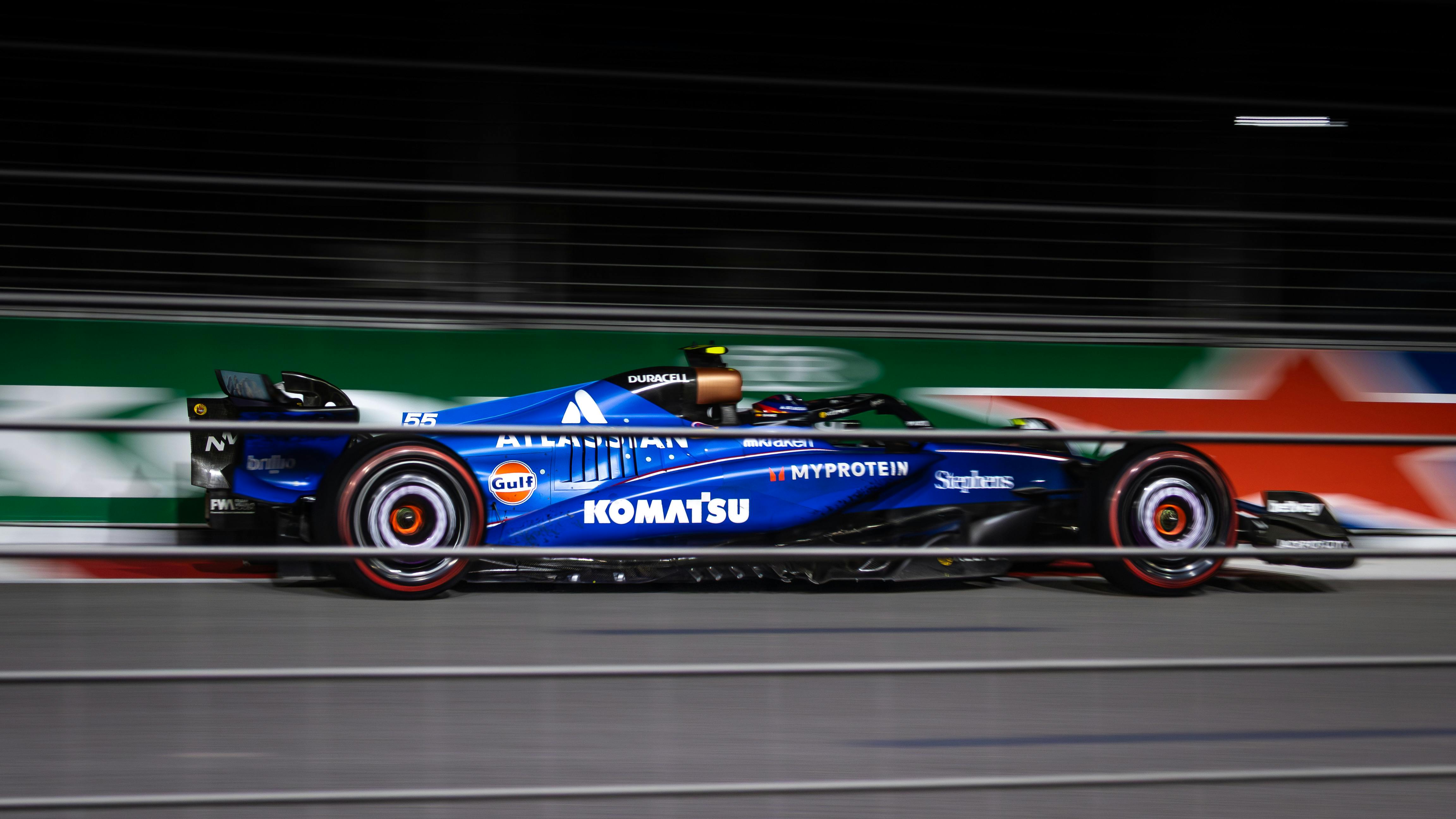
Norris's concern centres on the speed differential this creates. When one car is regenerating energy whilst another deploys maximum hybrid power, the closing speed can reach 50kph, he warned.
When someone hits another driver at that speed, you are going to fly and go over the fence and do a lot of damage to yourself and maybe to others.
Max Verstappen, who recovered from 20th on the grid to sixth for Red Bull, was equally scathing if less focused on safety. The four-time world champion compared the racing to 'Mario Kart', adding: 'We want it to be Formula 1 – proper Formula 1 on steroids – but today that wasn't the case.'
When Drivers Speak This Bluntly, F1 Typically Listens
The FIA and Formula One Management find themselves in an awkward position. These regulations took years to develop, involving extensive consultation with teams and engine manufacturers. The stated aim was to improve overtaking whilst advancing sustainable technology.
Mercedes' one-two finish in Australia, with George Russell leading home rookie Kimi Antonelli, suggested the racing itself worked on a competitive level. Ferrari's Charles Leclerc and Lewis Hamilton ran them close throughout. But when your reigning champion predicts drivers going 'over the fence', regulatory success becomes rather beside the point.
What's particularly striking is the speed of the institutional response. F1 has arranged driver meetings before the Chinese round, which takes place just five days after Melbourne. Mid-season regulation changes are exceptionally rare in Formula 1, requiring agreement from the FIA's World Motor Sport Council and, depending on the modification's scope, unanimous or majority team consent under the sport's governance structure.
Precedent and Process
Precedent exists, though sparingly. The FIA banned flexible front wings mid-season in 2014 following safety concerns, and tyre regulations have been modified during campaigns when Pirelli identified structural issues. More relevant might be 2021, when floor regulations were altered partway through the year after teams complained about porpoising effects, though that change came between seasons rather than during one.
The question facing officials is whether driver concerns reflect genuine safety risks or frustration with a new system that demands different racecraft. Engineering simulations presumably modelled these speed differentials before the regulations were finalised. The FIA's technical department will have conducted impact assessments.
Either those analyses missed something material, or drivers are experiencing track conditions that don't match the theoretical models.
The Governance Test
Verstappen's involvement adds weight beyond Norris's warnings alone. The Dutchman rarely engages in political manoeuvring and his complaints typically focus on racing quality rather than safety. His willingness to speak this forcefully suggests wider paddock disquiet, though neither driver specified how many of their colleagues share their view.
We want it to be Formula 1 – proper Formula 1 on steroids – but today that wasn't the case.
F1's commercial leadership faces a delicate calculation. The new regulations were meant to define this era of the sport, attracting manufacturers and demonstrating technical innovation. Rowing back after one race would represent a significant governance failure and potentially undermine future regulatory processes. Teams and engine suppliers have spent hundreds of millions developing these power units.
Yet the alternative carries obvious risks. If Norris's prediction proves accurate and a serious accident occurs at differential speeds the rules actively encourage, the reputational and legal consequences would dwarf any embarrassment from regulatory retreat.
What Happens Next
The Chinese Grand Prix will provide more data points. If other drivers echo these concerns publicly, the pressure for intervention becomes irresistible. If the race proceeds without incident and complaints quieten, officials might weather the initial turbulence. What they cannot do is ignore direct warnings from drivers about foreseeable accidents and hope the problem resolves itself.
The broader implication extends beyond this specific regulation. Formula 1 has prided itself on extensive stakeholder consultation during recent regulatory cycles, involving drivers earlier in the process than historically occurred. This situation tests whether that consultation was substantive or cosmetic.
When drivers sound the alarm this explicitly, one race into a new formula, it suggests either the consultation failed or their input was insufficiently weighted against other priorities.
Those emergency talks in Shanghai will reveal whether F1's governance structure can respond with the same speed its cars achieve on track. The sport has built its modern safety record on listening when drivers identify risks. That principle now faces its most immediate test in years.
- The emergency driver meeting in China will determine whether F1's governance can respond rapidly to safety concerns or whether commercial and technical investments will override driver warnings
- Watch whether additional drivers publicly support Norris and Verstappen's concerns – widespread backing would make regulatory intervention unavoidable
- This incident tests whether F1's vaunted stakeholder consultation process actually incorporates driver feedback meaningfully or merely provides cosmetic involvement in technical decisions

Co-Founder
Multi-award winning serial entrepreneur and founder/CEO of Venntro Media Group, the company behind White Label Dating. Founded his first agency while at university in 1997. Awards include Ernst & Young Entrepreneur of the Year (2013) and IoD Young Director of the Year (2014). Co-founder of Business Fortitude.
Comments
💬 What are your thoughts on this story? Join the conversation below.
to join the conversation.