Green Party's Poll Surge: A Wealth Tax Threatens UK Investment Climate
- The Green Party has surged to 21 per cent in recent YouGov polling, overtaking Labour and trailing Reform UK by just two points
- Nearly half of 18- to 24-year-olds now back the Greens, making them the most popular party among under-50s
- The party's wealth tax proposals include a one per cent annual levy on assets exceeding £10m, rising to two per cent above £1bn
- UK venture capital investment in startups reached £21bn in 2023, potentially vulnerable to wealth tax targeting founders
The Green Party's leap to 21 per cent in a recent YouGov poll represents more than a passing political curiosity. For the first time in its history, the party has real potential to influence economic policy from a position of power, and that prospect is sending ripples through Britain's business and investment community. What was once the preserve of Brighton's progressive enclaves has transformed into something resembling a genuine electoral force.

The numbers tell an unexpected story. According to YouGov's polling, the Greens have overtaken Labour and trail Reform UK by just two percentage points. Among voters under 50, they're now the most popular party, with nearly half of 18- to 24-year-olds backing them.
Whether this translates into parliamentary seats under first-past-the-post is another question entirely. But the possibility alone has focused attention on an economic manifesto that, until recently, few investors or business leaders bothered to read in detail.
Enjoying this article?
Get stories like this in your inbox every week.
The wealth tax calculation
At the centre of the Green economic platform sits a wealth tax: one per cent annually on assets exceeding £10m, rising to two per cent on assets above £1bn. The party's 2024 manifesto projects this would generate substantial revenue for public spending commitments.
Similar proposals elsewhere offer cautionary tales. France's wealth tax, introduced in 1982 and significantly reformed by 2018, saw an estimated 42,000 taxpayers leave the country between 2000 and 2012, according to research from the Paris School of Economics. The capital flight cost France roughly twice the revenue the tax generated.
A two per cent annual levy on assets means losing 20 per cent of wealth over a decade before any returns are factored in.
Britain's non-dom regime, imperfect as it is, exists partly because of this dynamic. Wealthy individuals and their capital are mobile. The question isn't whether some would leave under a Green wealth tax regime, but how many, and how quickly.
For private equity firms, asset managers, and family offices operating in London, the calculation is straightforward. Financial advisers are already gaming out scenarios with clients who hold significant UK assets.
What's interesting here is the timing. Britain's tech sector has spent years building momentum, with venture capital investment in UK startups reaching £21bn in 2023, according to figures from Dealroom. A wealth tax that targets founders who've built businesses from scratch could stall that progress precisely when it's gaining traction.
Housing policy in reverse
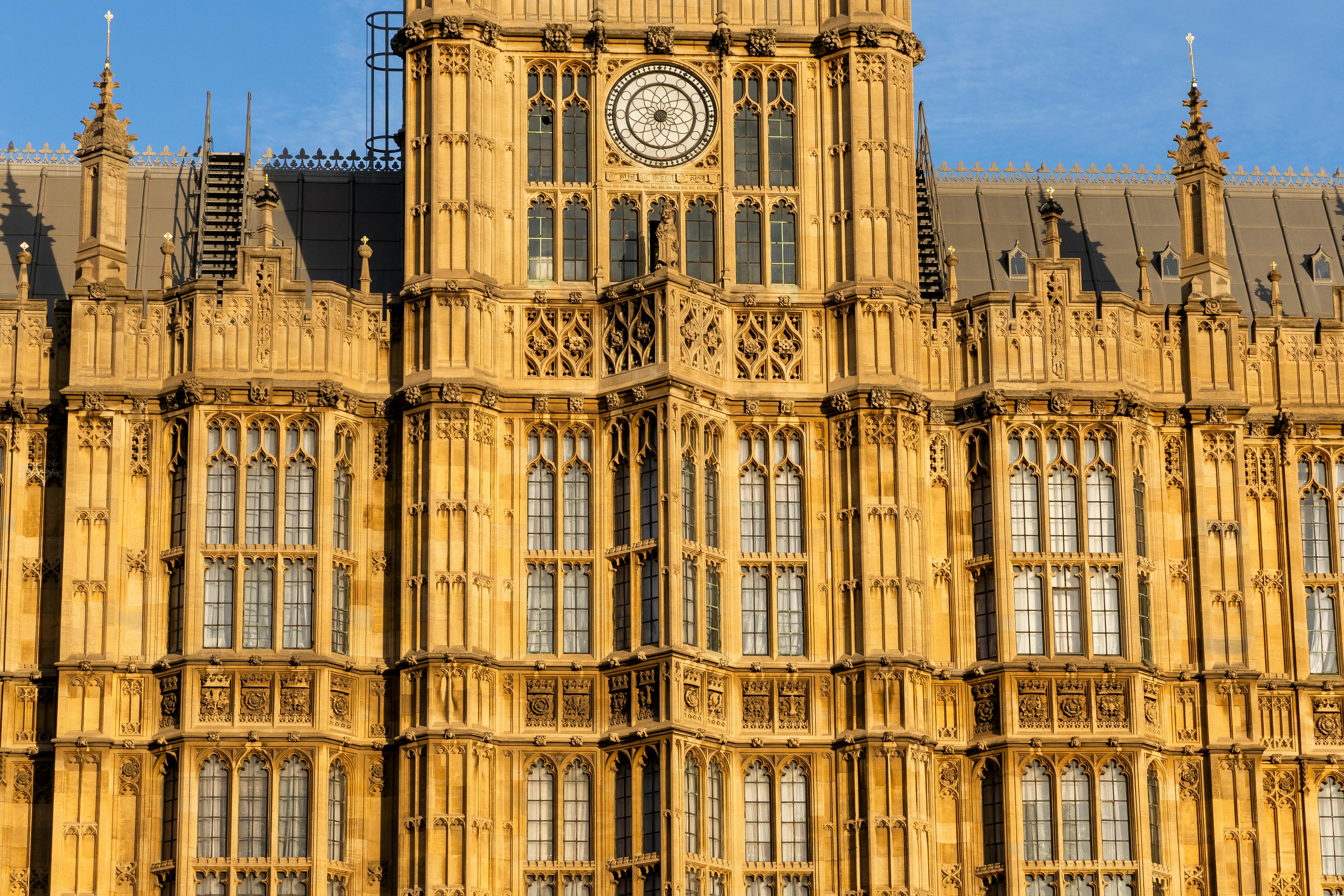
The housing proposals deserve equal scrutiny. Britain faces a chronic undersupply, with the latest government figures showing 234,400 homes completed in England in 2023, well short of the estimated 300,000 needed annually just to keep pace with demand.
The Green manifesto proposes rent controls alongside stricter environmental standards for new builds and a requirement to spread small developments across local authorities rather than concentrate density. Economic research on rent controls remains contentious, though studies from Stanford University and the Swedish Institute for Social Research have documented reduced supply and deteriorating housing quality in jurisdictions that implemented them.
Edinburgh introduced rent controls in 2022, capping increases at three per cent. Landlord associations report members exiting the rental market, though comprehensive data on the policy's full impact won't emerge for several years. The theoretical concern is that controls reduce the incentive to maintain properties and discourage new rental supply, exacerbating the shortage they aim to address.
The construction industry already operates on thin margins. Requirements that push costs higher without addressing planning bottlenecks or land supply constraints mean fewer homes built, not better ones.
The broader regulatory agenda
Beyond headline policies, the Green platform includes maximum 10:1 pay ratios for public and private sectors, immediate nationalisation of water companies, and £50bn in spending to retrofit homes away from fossil fuels. Each carries business implications that extend beyond the party's core environmental mission.
Pay ratios would effectively cap executive compensation or force companies to raise minimum wages substantially. For FTSE-listed firms competing internationally for talent, this creates obvious recruitment challenges. For SMEs operating on tight budgets, mandatory wage floors could prove existential.
Water nationalisation would require the Treasury to assume roughly £60bn in sector debt, according to industry estimates. That's £60bn unavailable for other spending priorities, and it's unclear whether public ownership would attract the investment needed to fix creaking infrastructure any faster than regulated private operators.

The proposals collectively suggest an economic philosophy fundamentally at odds with how Britain has operated for decades. That's not inherently disqualifying, but it does raise questions about implementation. Markets price in uncertainty, and a potential Green Party holding balance-of-power status represents considerable uncertainty.
What comes next
The polling surge may prove temporary. Single polls fluctuate, and translating national vote share into seats under Britain's electoral system remains brutally difficult for smaller parties. But the Greens have been building grassroots infrastructure steadily since winning Brighton Pavilion in 2010, adding Bristol Central and other seats in 2024.
If they maintain even half this polling strength, they become potential kingmakers in a hung parliament. That possibility alone will shape how businesses plan capital allocation, where entrepreneurs choose to domicile companies, and how investors price British assets. The details of Green economic policy matter now in ways they simply didn't when the party was polling at six or seven per cent.
For business leaders watching these numbers, the question isn't whether to take the Green Party seriously. That debate is over. The question is how to prepare for an economic policy environment that could shift more dramatically than at any point since the 1970s. Recent electoral swings suggest voters are increasingly drawn to people-centred solutions rather than traditional party orthodoxies, and the party's range of sustainable social policies extends well beyond environmental concerns alone.
- Capital flight risk is real: Britain's business leaders must prepare for potential wealth redistribution policies that could trigger significant movement of assets and talent abroad
- The Green Party's viability as kingmaker in a hung parliament means their economic platform now directly affects investment decisions and asset pricing today, not tomorrow
- Watch electoral infrastructure, not just polls: the party's steady grassroots expansion since 2010 suggests this surge may have more staying power than typical polling fluctuations

Co-Founder
Multi-award winning serial entrepreneur and founder/CEO of Venntro Media Group, the company behind White Label Dating. Founded his first agency while at university in 1997. Awards include Ernst & Young Entrepreneur of the Year (2013) and IoD Young Director of the Year (2014). Co-founder of Business Fortitude.
Comments
💬 What are your thoughts on this story? Join the conversation below.
to join the conversation.