US Tariff Whiplash: British Exporters Face 15% Hike Amid Policy Chaos
- US to impose potential 15% blanket tariff on British exports this week, up from current 10% rate
- Section 122 authority expires after precisely 150 days, forcing policy shift by autumn
- Tariffs have raised over $175 billion in revenue, though economists dispute claims this pays down US debt
- Three major shifts in American trade policy within weeks have invalidated months of bilateral negotiations
The chessboard keeps getting upended before anyone can make their next move. British businesses exporting to the United States now face a potential 15% blanket tariff this week, Treasury Secretary Scott Bessent confirmed, marking the third major shift in American trade policy within a matter of weeks. For exporters who spent months negotiating sector-specific arrangements under Trump's "Liberation Day" framework, the message is clear: none of that matters anymore.
The whiplash began when the Supreme Court struck down Trump's original tariff regime, which had ranged from 10% to 50% depending on country and sector. The White House responded by imposing a temporary 10% global levy using Section 122, an obscure legal provision that permits tariffs up to 15% for precisely 150 days without congressional approval. Trump initially announced the replacement rate would be 15% on social media, creating days of confusion before officials implemented 10% instead.
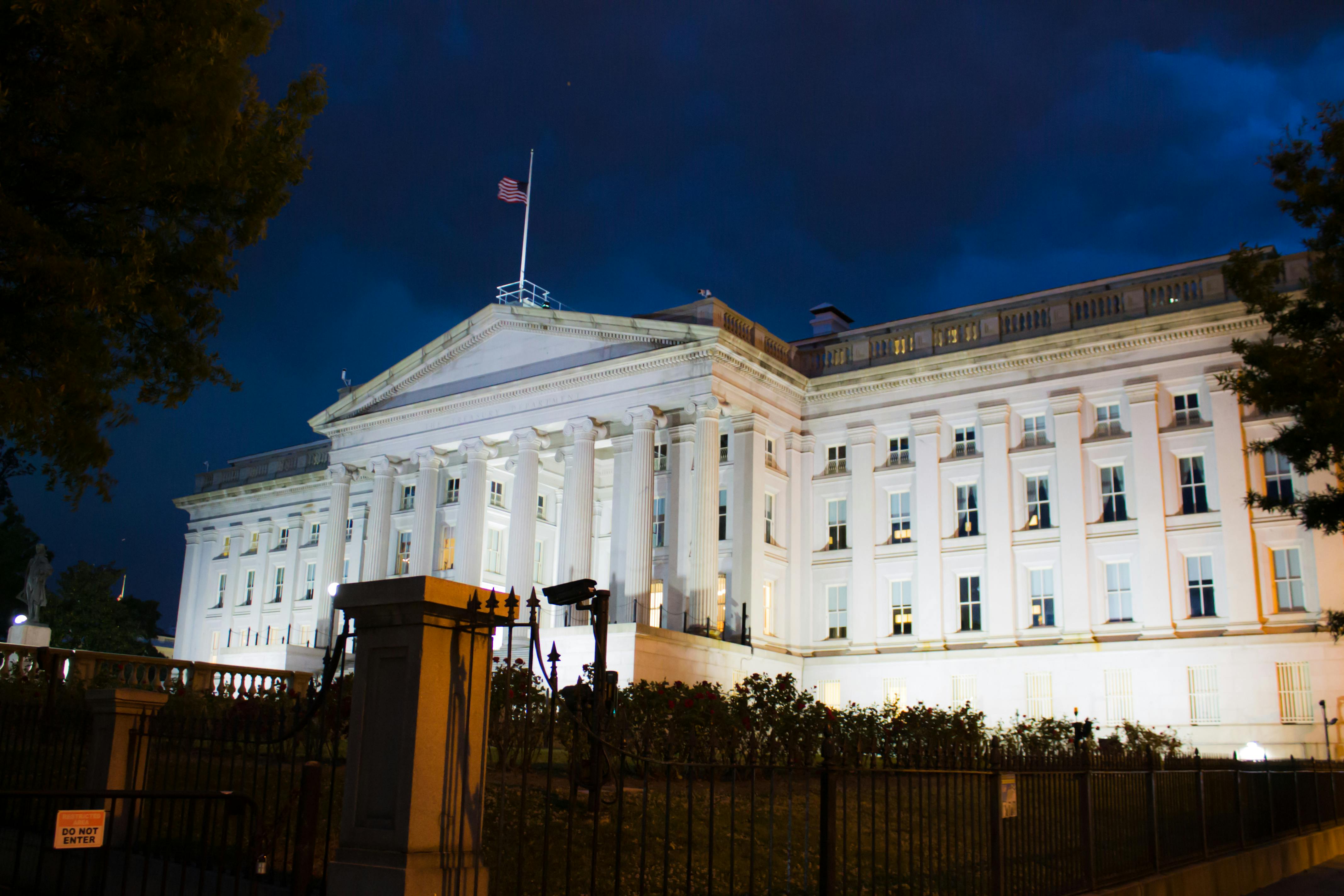
Bessent's latest comments suggest the administration is preparing to correct what appears to have been an administrative fumble. What's particularly galling for British exporters is the trajectory. Under the original "Liberation Day" tariffs, the UK government secured negotiated rates below the headline figures for certain goods.
Enjoying this article?
Get stories like this in your inbox every week.
Those bilateral arrangements took time, legal resources, and political capital to achieve. The shift to an across-the-board percentage rate effectively bins all that diplomatic groundwork.
Whether it's automotive parts, pharmaceuticals, or financial services, British goods now compete on identical terms with shipments from countries that made no concessions whatsoever.
Legal gymnastics with real-world costs
The administration's use of Section 122 was not a choice but a necessity after the Supreme Court ruled that Trump's emergency powers justification wouldn't hold. The problem is that Section 122 comes with a strict expiration date. After 150 days, the authority lapses, forcing the White House to pivot to Sections 301 and 232 – legal frameworks designed for targeting specific countries or sectors based on unfair trade practices or national security threats.
Those provisions require formal investigation processes, notice periods, and opportunities for business comment. Officials argue this will provide more predictability than Trump's habit of announcing sweeping tariff changes via social media at odd hours. Perhaps.
But the five-month window creates a compressed timeline for what are typically lengthy procedures, and Bessent's assertion that tariffs will return to "their old rate" within that period is projection, not certainty. British exporters must somehow plan around three distinct possibilities: the current 10% rate persists, the 15% increase materialises this week, or the administration manages to restore sector-specific tariffs within five months that may or may not resemble the original Liberation Day framework.
Strategic planning becomes impossible when the rules change faster than shipping containers cross the Atlantic.
The cost of policy improvisation

American officials frame the tariff shifts as necessary tools to rebalance trade flows, encourage domestic manufacturing, and – according to repeated claims – pay down US debt. Most economists dispute that last assertion, pointing out that import taxes are ultimately borne by consumers and businesses, not foreign governments. The revenue might technically flow to the Treasury, but it represents a transfer from American importers and households, not a windfall from abroad.
For British businesses, the economic merits of US tariff policy matter less than the operational reality. Finance directors who budgeted for one tariff rate three months ago must now price for another, potentially higher rate by week's end, whilst keeping contingency scenarios for autumn when Section 122 expires. Currency hedging strategies become guesswork when you don't know the baseline cost structure.
Supply chain decisions that normally require quarters to implement must be made in days. The irony is that formal procedures under Sections 301 and 232, whilst cumbersome, would at least provide a calendar. Investigations take months but follow established patterns.
Comment periods have defined lengths. Implementation dates get announced with lead time. None of that helps if you're shipping goods through US customs this week with no clarity on whether you'll face 10% or 15% at the border.
What comes after the stopgap
The five-month clock on Section 122 means this particular form of chaos has a hard deadline. What replaces it could be better or worse. Sector-specific tariffs under 301 or 232 authorities might restore advantages for British goods in categories where the UK secured favourable treatment originally.
They might also introduce new restrictions in sectors that avoided heavy tariffs under Liberation Day but could be swept into national security or trade practice investigations. Automotive exports, for instance, have historically been subject to 232 scrutiny. Pharmaceutical ingredients could fall under either framework depending on how the administration frames the investigation.
Financial services, a major UK export category, exist in a grey zone that might avoid goods tariffs entirely but face other regulatory friction. The timeline matters as much as the substance. Five months means investigations would need to launch soon to conclude before Section 122 expires.
That requires political bandwidth and administrative capacity at agencies already stretched by constant policy pivots. The alternative – another temporary fix or a gap period with uncertain rates – would simply extend the current chaos under a different legal banner.
British exporters who invested in understanding the Liberation Day framework, then adapted to the blanket 10% rate, must now prepare for 15% whilst watching for signals about sector-specific investigations that may or may not materialise by autumn. The IMF has warned that tariff upheaval risks harm to the US economy, noting the uncertainty created by rapid policy shifts.
Treasury markets have responded to the volatility, with estimates showing tariffs have raised over $175 billion in revenue so far, though this represents only a modest piece of total projected revenues. The advantage doesn't go to the most efficient or innovative businesses, but to those with the deepest legal resources and most flexible supply chains. Scale becomes survival.
- Prepare contingency pricing for both 15% immediate implementation and potential sector-specific tariffs by autumn when Section 122 expires
- Monitor signals from US trade agencies about 301 and 232 investigations launching in coming weeks – these will determine which sectors face permanent restrictions
- Policy uncertainty now favours businesses with deep legal resources and supply chain flexibility over operational efficiency alone

Co-Founder
Multi-award winning serial entrepreneur and founder/CEO of Venntro Media Group, the company behind White Label Dating. Founded his first agency while at university in 1997. Awards include Ernst & Young Entrepreneur of the Year (2013) and IoD Young Director of the Year (2014). Co-founder of Business Fortitude.
Comments
💬 What are your thoughts on this story? Join the conversation below.
to join the conversation.