Iceland Foods Loses Trademark Battle: A Win for Geographical Names
- Iceland Foods has abandoned its decade-long legal battle to prevent European businesses from using 'Iceland' in their branding after three successive defeats
- The EU Intellectual Property Office cancelled the retailer's European trademark in 2019, ruling geographical names must remain available for public use
- Iceland's GDP reached £24.9bn in 2024 compared to the retailer's £4.1bn turnover—a sixfold economic advantage
- The supermarket retains its UK trademark and can continue trading under the same name, but has lost enforcement power across Europe
A frozen food retailer and a volcanic island nation have been locked in legal combat for nearly a decade over who gets to own a single word. The island nation has won. What began as a trademark dispute has evolved into a defining case about corporate control over common language and the commercial value of national identity.
Iceland Foods, the British supermarket chain known for stocking freezers with fish fingers and party food, has finally abandoned its fight to prevent European businesses from using the name 'Iceland' in their branding. After losing three successive legal challenges brought by the Icelandic government, executive chair Richard Walker confirmed to the Financial Times that the company would 'throw in the towel'. The practical impact on the retailer's operations is nil—it retains its UK trademark and can continue trading under the same name. What it has lost is far more valuable: the power to stop others.
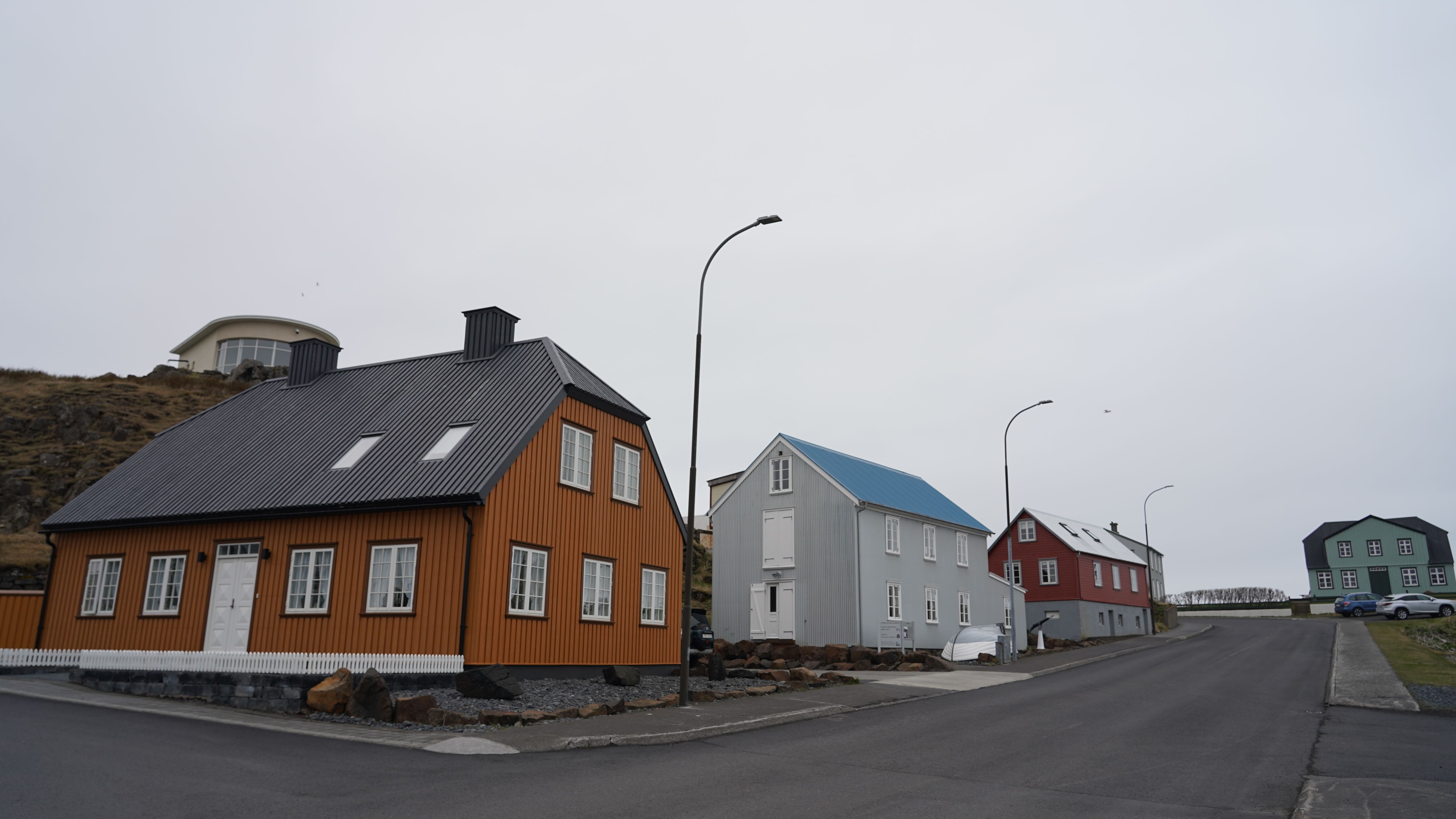
The dispute began in 2016 when Reykjavik filed legal action against the supermarket, alleging that Iceland Foods had been pursuing Icelandic companies attempting to reference their own country of origin. According to the Icelandic government, businesses from the North Atlantic nation were being blocked from using their homeland's name in product branding—a claim the supermarket has characterised differently, arguing it had 'co-existed with the country called Iceland very happily' since registering the trademark in 1970.
Enjoying this article?
Get stories like this in your inbox every week.
The EU Intellectual Property Office sided decisively with geography over commerce in 2019, cancelling the retailer's European trademark on the grounds that geographical names must remain available for public use. Two subsequent appeals were struck down, the most recent last year.
The economics of a name
What makes this legal defeat particularly striking is the economic transformation underlying it. When the dispute began, the financial gap between nation and retailer was surprisingly narrow. In 2009, Iceland's GDP stood at just £7.9bn above the supermarket's turnover—close enough that a British frozen food chain could plausibly square up against a sovereign state in court.
That calculation has shifted dramatically. Iceland's GDP reached £24.9bn in 2024, whilst the retailer posted £4.1bn in turnover for the same financial year. The nation now commands a sixfold economic advantage, a testament to its remarkable recovery following the 2008 financial crisis that nearly collapsed its banking system entirely.
For our companies it is of considerable value to be able to clearly refer to their Icelandic origin, with all the underlying thoughts of clean air and pristine nature that it carries internationally.
The transformation reflects more than just economic growth. Thorgerdur Katrin Gunnarsdottir, Iceland's foreign affairs minister, emphasised the commercial value of Icelandic origin itself when welcoming last year's court ruling. The implication is clear: 'Iceland' means something specific in global commerce, and it isn't chicken nuggets.
Corporate control over common language
The case fits within a broader regulatory pattern. European authorities have grown increasingly resistant to corporate attempts to monopolise common words, particularly those with geographical or cultural significance. The principle at stake extends well beyond one supermarket's branding strategy.
Nick Buckland, a trademark lawyer at Lewis Silkin, told City AM that Iceland Foods failed to demonstrate that its shops are widely recognised by the name 'Iceland' across the EU—a crucial test for maintaining such a broad trademark. The retailer's limited continental presence undermined its claim that the name had acquired distinctive meaning through commercial use.
The ruling doesn't prevent Iceland Foods from operating under its current name anywhere, including across Europe. What it removes is enforcement power—the ability to threaten legal action against others using the same term. For Icelandic exporters of fish, wool, geothermal technology, or tourism services, that distinction matters considerably.

Walker has offered what he's termed a 'rapprochement discount to the good Icelandic people' of Reykjavik, though whether this olive branch amounts to an actual promotional offer or merely a quip for the Financial Times remains unclear. After a decade of legal fees and three successive defeats, a discount code seems an underwhelming peace offering.
What this means for place-based branding
Other businesses built around geographical names will be watching carefully. The precedent suggests that securing a trademark on a place name requires more than simply registering it first—companies must demonstrate genuine, widespread recognition under that name within the territories where they seek protection.
Some words are simply too useful, too widely needed, to be controlled by a single commercial entity.
The decision also highlights a shift in how regulators weigh commercial interests against public access to language. As brands increasingly seek to own everyday words, resistance is mounting. The EU's stance that geographical names belong in the public domain sets a clear boundary: some words are simply too useful, too widely needed, to be controlled by a single commercial entity.
Iceland Foods can continue selling frozen peas under its familiar name across Britain. But across the continent, 'Iceland' now means what it has always meant to everyone else: a country of glaciers, geysers, and a fiercely protected national identity that extends to the very word itself. For a nation that rebuilt its economy from near-collapse fifteen years ago, reclaiming its name from a British supermarket represents a particular kind of victory—one measured not in market share, but in sovereignty over language itself.
- Geographical names increasingly enjoy regulatory protection from corporate monopolisation, setting a clear precedent for businesses attempting to trademark common place names
- Companies seeking to control place-based trademarks must demonstrate widespread recognition across territories where they seek protection—early registration alone is insufficient
- The commercial value of national origin branding is rising, particularly for countries associated with quality attributes like Iceland's 'clean air and pristine nature', making access to geographical terms essential for local exporters

Co-Founder
Multi-award winning serial entrepreneur and founder/CEO of Venntro Media Group, the company behind White Label Dating. Founded his first agency while at university in 1997. Awards include Ernst & Young Entrepreneur of the Year (2013) and IoD Young Director of the Year (2014). Co-founder of Business Fortitude.
Comments
💬 What are your thoughts on this story? Join the conversation below.
to join the conversation.