Iran's Apology Won't Stabilize Gulf. UK Firms Face Supply Chain Chaos.
- Iranian president apologises for missile strikes on Gulf Arab states but pledges attacks will continue if Iran perceives threats originating from those countries
- Dubai International Airport, handling 86 million passengers annually, temporarily suspended flights due to safety concerns
- Shaybah oil field in Saudi Arabia, producing 1 million barrels per day, was targeted by at least 17 drones
- UK exports to UAE exceeded £15bn in 2023, with Saudi Arabia representing Britain's largest Middle East trading partner
Iran's president has issued a conditional apology for strikes on Gulf Arab territory even as Iranian missiles continue to rain down on critical energy infrastructure and commercial hubs across the region. The attacks have already forced temporary closures at Dubai International Airport and targeted Saudi oil facilities producing a million barrels daily. For British businesses reliant on Gulf trade routes and energy supplies, the message is stark: prepare for sustained volatility.
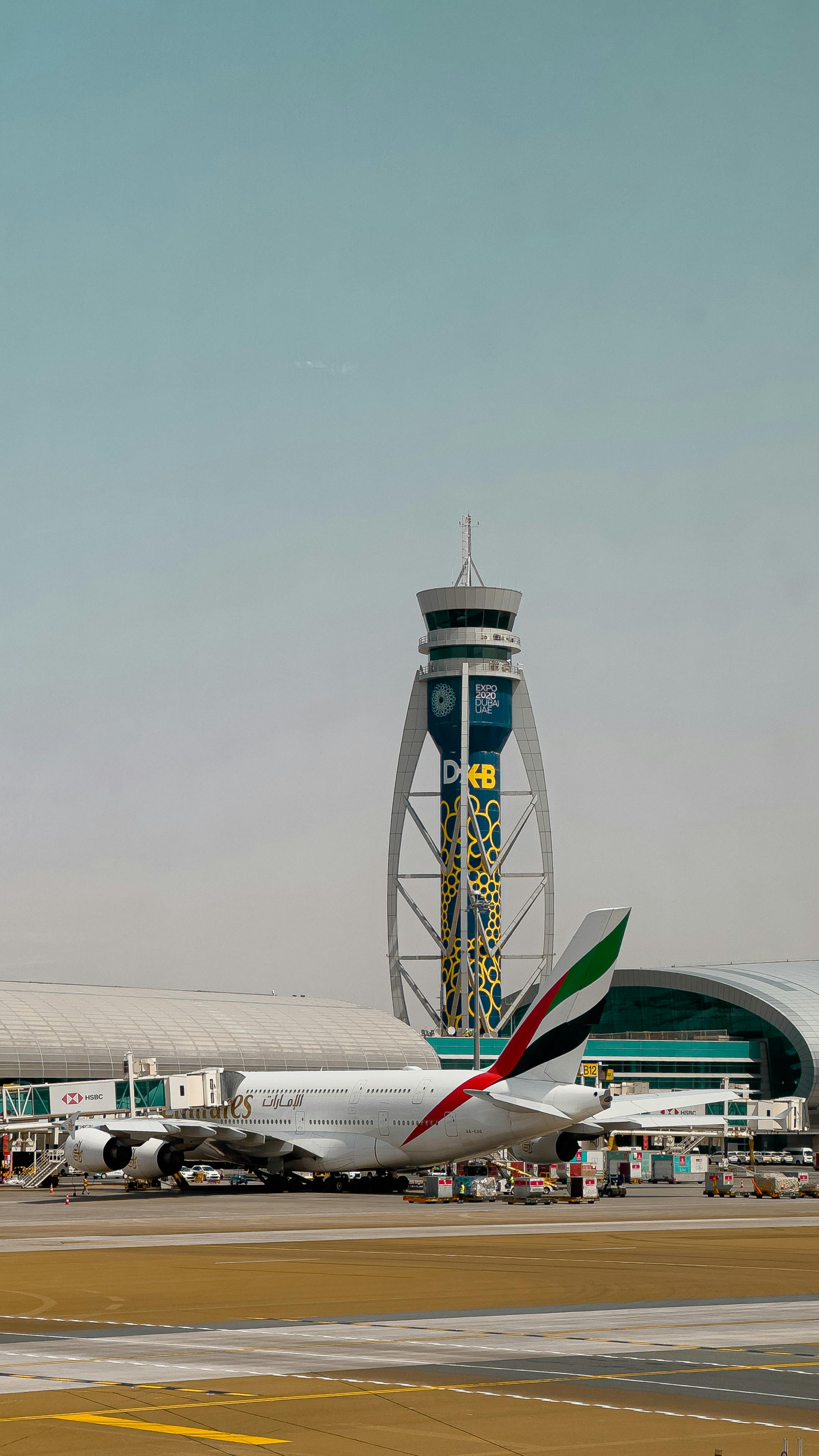
Masoud Pezeshkian's televised statement on Saturday came with a significant caveat: Tehran will cease attacks "unless an attack on Iran originates from those countries" — a conditional pledge that leaves considerable room for future escalation. The strikes have already disrupted commercial operations at Dubai International Airport, which temporarily suspended flights citing safety concerns before partially reopening within the hour. For British businesses, the implications are immediate.
Dubai International handles more than 86 million passengers annually and serves as a critical connecting hub for British Airways, Virgin Atlantic and UK freight operators moving goods between Europe and Asia. Even brief closures ripple through global supply chains, delaying shipments and forcing costly reroutes. The attacks on Saudi Arabia targeted the Shaybah oil field near the Emirati border, with at least 17 drones intercepted according to the kingdom's defence ministry.
Enjoying this article?
Get stories like this in your inbox every week.
A ballistic missile headed towards Prince Sultan Air Base southeast of Riyadh was also destroyed. Shaybah produces roughly 1 million barrels per day — a reminder of the vulnerabilities that roiled energy markets in 2019 when strikes on Saudi Arabia's Abqaiq facility knocked out 5% of global oil supply overnight and sent Brent crude up 20% in a single session.
Energy markets and supply chain exposure
Gulf oil infrastructure has long been the pressure point in Middle Eastern conflicts. The region supplies roughly a third of seaborne crude oil globally, and any sustained disruption would push energy prices higher at a moment when British households and businesses are only just emerging from years of elevated costs. UK inflation remains sensitive to oil price shocks, particularly in transport and manufacturing sectors that operate on thin margins.
Pezeshkian's apology may signal tactical restraint, but the conditional nature of Iran's pledge creates a hair-trigger dynamic.
What's more concerning for UK operators is the unpredictability. Saudi Arabia's defence minister, Prince Khalid bin Salman, called on Iran to "exercise wisdom and avoid miscalculation," acknowledging the fragility of the current situation. The US response suggests Washington expects this to continue.
The Trump administration approved a $151m arms package for Israel on Saturday, with Secretary of State Marco Rubio issuing a waiver to bypass the usual Congressional review period. The sale covers contract services, engineering support and logistics — the kind of sustained technical assistance that signals preparation for extended operations rather than an imminent wind-down.
British commercial stakes in the Gulf
UK firms have deep commercial exposure across the Gulf states. British exports to the UAE alone topped £15bn in 2023, whilst Saudi Arabia represents the UK's largest trading partner in the Middle East. Beyond direct trade, British professional services firms — from legal practices to engineering consultancies — have built substantial regional operations serving Gulf clients.
Prolonged instability doesn't just threaten existing contracts; it freezes new investment decisions and forces multinationals to reconsider regional headquarters locations. Aviation disruption poses a particular headache. Dubai serves as the primary transit point for UK business travellers heading to South Asia, East Africa and the Far East.
Repeated closures, even temporary ones, force airlines to burn through contingency plans and erode the hub economics that make Dubai attractive. Emirates alone carries more than 2 million UK passengers annually on its London routes. The insurance implications are already being felt.
Lloyd's of London syndicates write substantial aviation and energy risk in the Gulf, and heightened threat levels translate directly into higher premiums for airlines, shipping operators and energy companies. Those costs inevitably flow through to end customers.
What comes next
US officials, according to reports, have warned of an intensified bombing campaign targeting Iran in the coming period — what they describe as potentially the most severe phase yet. Trump himself has stated he will not negotiate with Tehran without its "unconditional surrender," a maximalist position that offers little room for diplomatic off-ramps.
Conditional de-escalation is not the same as détente, and British businesses with Gulf exposure should be stress-testing their supply chains whilst the window for adjustment remains open.
The stated objectives from Washington have shifted repeatedly, with some officials suggesting regime change whilst others focus on more limited military goals. That ambiguity makes it harder for businesses to model risk or plan investments with any confidence about timelines. Iran's economy is already operating under severe sanctions pressure, but the current escalation threatens to pull Gulf states more directly into the conflict.
For UK companies, that transforms the Gulf from a stable, high-growth market into something far more volatile. The question isn't whether to monitor the situation, but how quickly contingency plans can be activated if airport closures become routine, oil supply tightens further, or insurance markets begin excluding certain routes and facilities altogether. Pezeshkian's apology may be genuine, but conditional de-escalation is not the same as détente.
- Watch for insurance premium increases on Gulf aviation and energy risks, which will flow through to UK businesses and consumers via higher transport and energy costs
- Diversify transit routes and supply chains now — reliance on Dubai as a single point of failure is no longer prudent given the hair-trigger conditional nature of Iran's de-escalation pledge
- Monitor oil price movements closely as any escalation affecting Saudi production could trigger the kind of supply shock last seen in 2019, with immediate inflationary consequences for the UK economy

Co-Founder
Multi-award winning serial entrepreneur and founder/CEO of Venntro Media Group, the company behind White Label Dating. Founded his first agency while at university in 1997. Awards include Ernst & Young Entrepreneur of the Year (2013) and IoD Young Director of the Year (2014). Co-founder of Business Fortitude.
Comments
💬 What are your thoughts on this story? Join the conversation below.
to join the conversation.