Khan's Oxford Street Plan Ignores 200,000 Daily Bus Riders
- Sadiq Khan has overruled Westminster City Council to pedestrianise Oxford Street between Orchard Street and Great Portland Street by the end of summer
- More than 200,000 bus passengers travel down Oxford Street every single day, with no clear plan for how they will be rerouted
- This marks the third attempt to pedestrianise Europe's busiest shopping thoroughfare, with previous schemes by Boris Johnson shelved in 2018
- The decision represents a rare constitutional precedent of a mayor forcing through major infrastructure against the local authority responsible for managing consequences
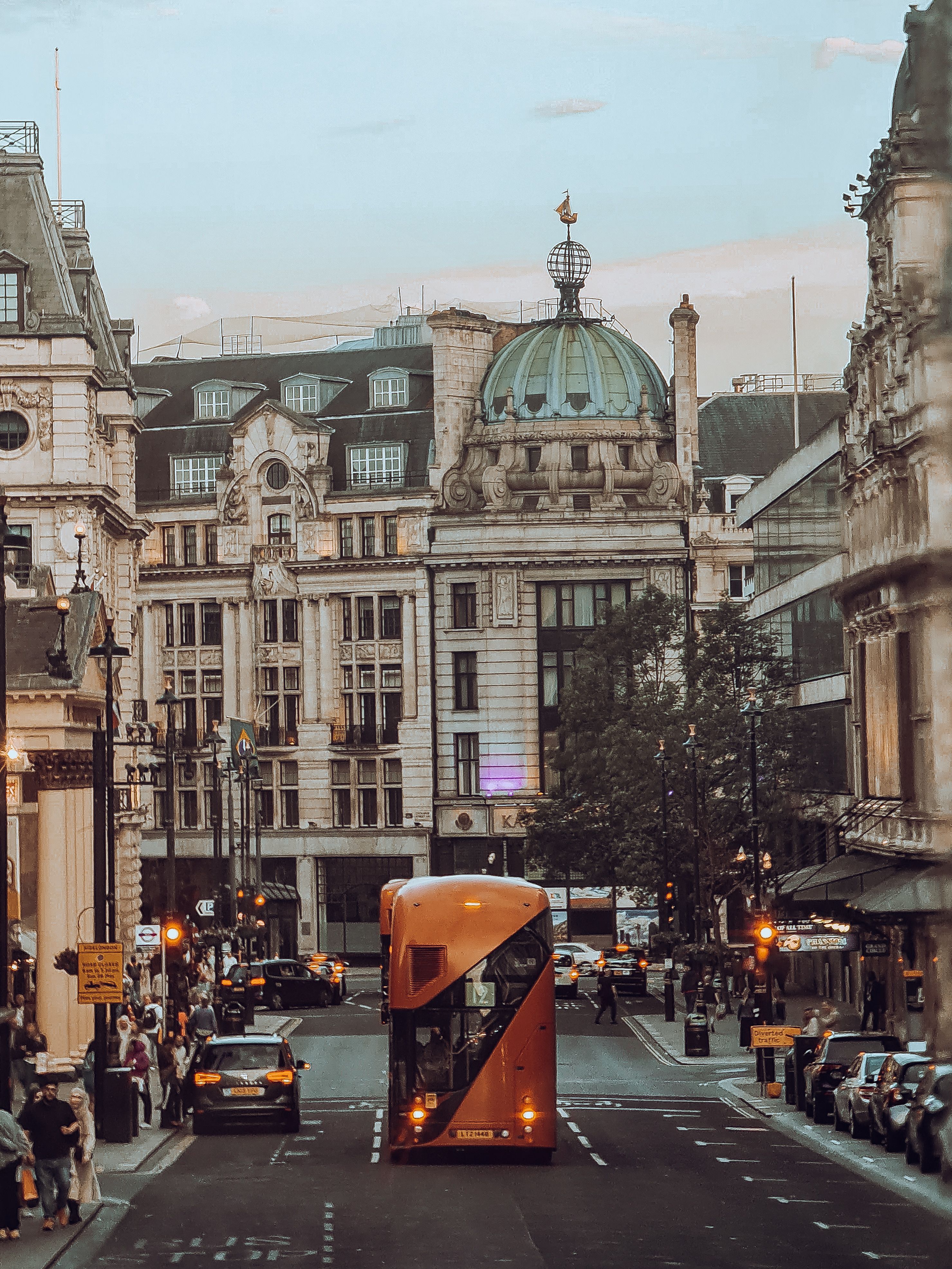
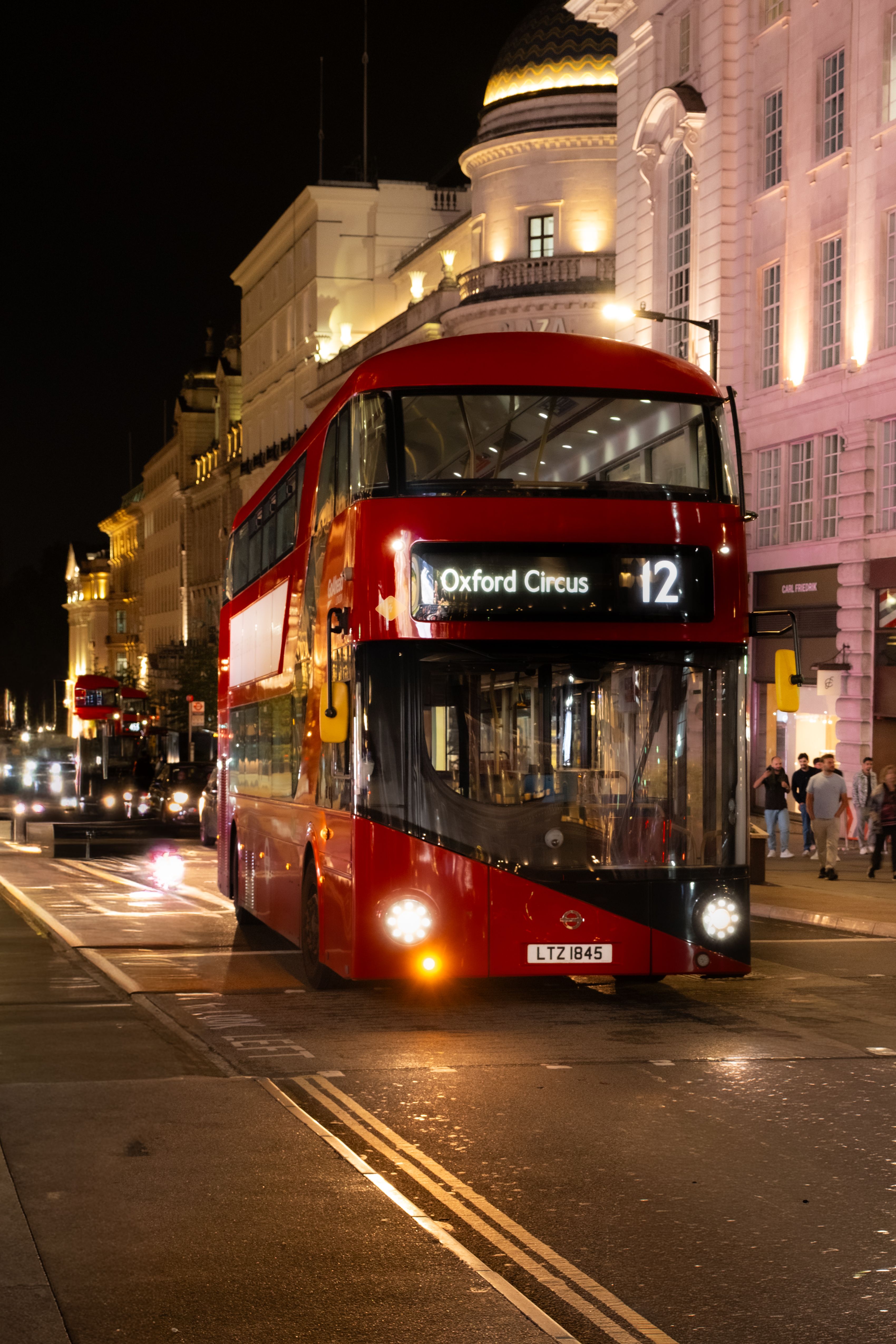
Sadiq Khan has forced through the pedestrianisation of Oxford Street by the end of summer, overruling Westminster City Council in an extraordinary show of mayoral power. The decision will see traffic removed from Europe's busiest shopping thoroughfare—but the plan leaves a gaping hole where an answer should be: what happens to the 200,000 bus passengers who travel down Oxford Street every single day? Those passengers, along with the dozens of buses that currently ferry them through central London, will simply have to go somewhere else.
That somewhere else means residential streets in Mayfair, Fitzrovia, and Marylebone—areas whose wealthy inhabitants are not known for their quiet acceptance of increased traffic and pollution outside their front doors. The decision marks a rare intra-party power struggle, with Khan using his statutory planning powers to override a Labour-led Westminster Council that has consistently opposed the scheme. Council leader Adam Hug's response on Wednesday was diplomatically terse, noting that Westminster's objections are "a matter of public record" whilst committing to make the scheme work.
What's striking here is not just the policy disagreement, but the constitutional precedent: a mayor forcing through a major infrastructure project against the wishes of the local authority actually responsible for managing its consequences.
Enjoying this article?
Get stories like this in your inbox every week.
The third time's the charm
Oxford Street has become something of a graveyard for mayoral ambition. Boris Johnson's pedestrianisation plans were shelved in 2018 after Westminster Council opposition, and earlier schemes met similar fates. The pattern is instructive: the vision is always clear—more trees, more seating, more continental café culture—but the mechanics of moving several hundred thousand people per day around one of the world's densest urban centres prove rather more stubborn.
Westminster has managed to extract some concessions. Oxford Street East, the section beyond the pedestrianised zone, will retain bus traffic—a compromise that Hug positioned as a victory secured through "eighteen months" of negotiation. But this simply pushes the displacement problem eastward rather than solving it.
The buses have to terminate somewhere, turn around somewhere, and pick up passengers somewhere. Each of those somewheres is a residential street whose air quality just got measurably worse.
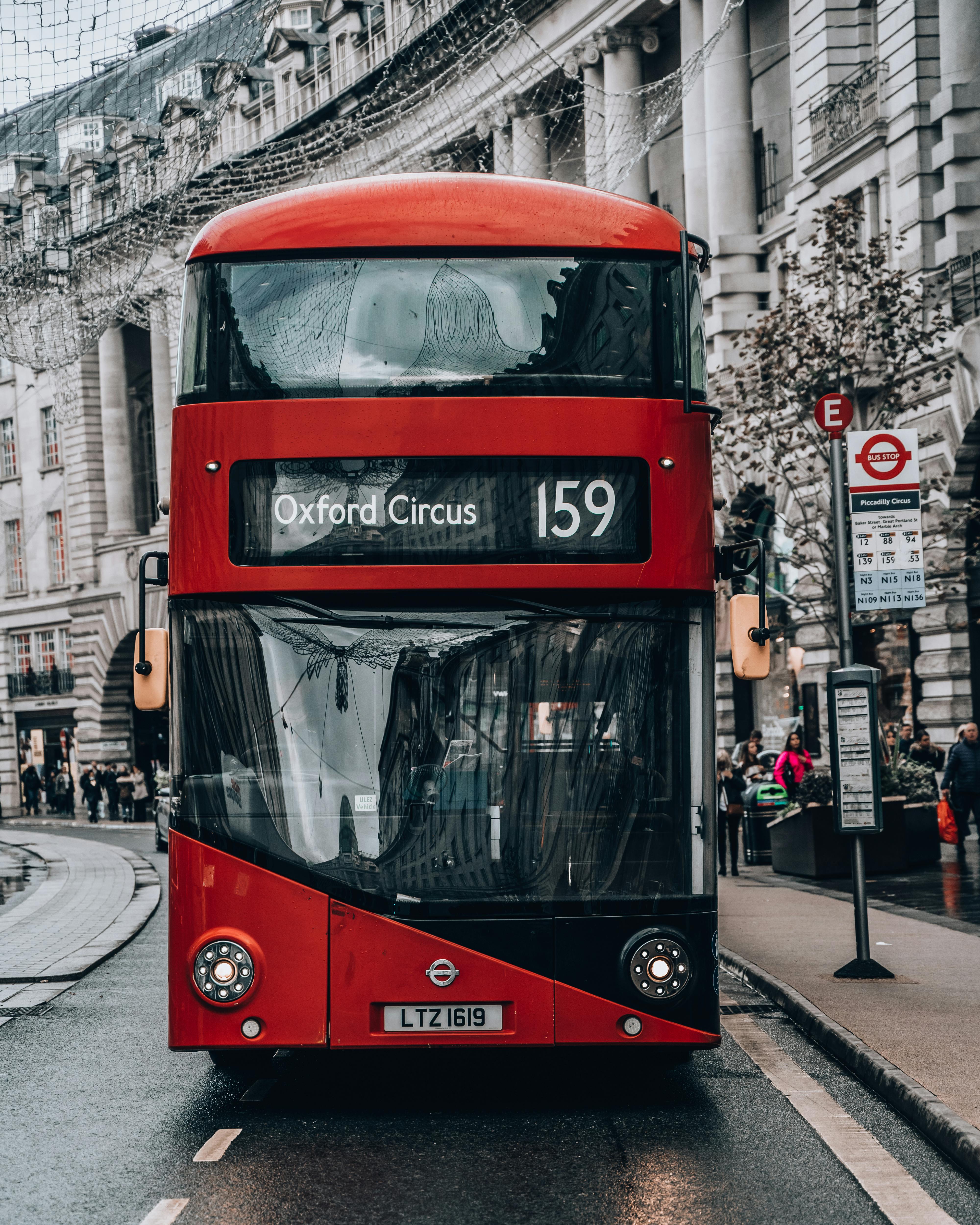
According to figures from Transport for London, Oxford Street currently carries more than 200,000 bus passengers daily. The mayor's announcement made no mention of how this traffic will be redistributed, beyond vague assurances about consultation with transport authorities. London Travelwatch, the capital's transport watchdog, issued a statement welcoming the plans whilst calling for TfL to consult "a wide range of groups" on making the space accessible—diplomatic language for "we're not convinced this has been properly thought through".
The retail pitch and the reality check
Retailers, predictably, have lined up to praise the scheme. John Lewis managing director Peter Ruis spoke of a more "vibrant, green" space, whilst Selfridges executive director Meave Wall promised the project would "revitalise" the shopping strip. ReDee Corsi, chief executive of the New West End Company representing over 600 businesses, pointed to data from a one-day trial showing "large increases in footfall" during pedestrianisation.
But a one-day event—essentially a street festival—tells you precisely nothing about sustained commercial performance. Footfall during a novelty trial is not evidence that retailers will see higher takings once the newness wears off and the logistical complications of accessing Oxford Street become apparent. Delivery lorries still need to reach shops. Staff still need to get to work. Shoppers carrying heavy bags still need transport options that don't involve a lengthy walk to the nearest bus stop.
A one-day event tells you precisely nothing about sustained commercial performance. Footfall during a novelty trial is not evidence that retailers will see higher takings once the newness wears off.
The property sector's enthusiasm is more grounded in tangible calculation. Paul Stenson, director of real estate investment management at IQ-EQ, noted that Oxford Street's "patchwork" of ownership—investment trusts, sovereign wealth funds, private owners—creates unusual adaptability. But that same fragmentation means there's no coordinating authority to ensure coherent redevelopment. What you're likely to get is exactly what that description suggests: a patchwork, with some landlords investing heavily whilst others do the minimum.
What comes next
The mayor's office has committed to completing the physical transformation by the end of summer, an ambitious timeline that leaves little room for the detailed transport planning this scheme desperately needs. The CGI images that circulated on social media—featuring eye-watering green paving and suspended sculptures of leaping figures—were quickly dismissed as outdated mockups, though their brief viral moment captured something real about the gap between the vision and the practical reality.
James Ford, a former adviser to Boris Johnson during his mayoral tenure, told reporters that residents in surrounding areas "will now find the bus coming outside their house, and find the traffic on their street a little slower moving". This matters because these are not constituencies that suffer disruption quietly. Mayfair and Fitzrovia residents have the resources and connections to make their displeasure felt, through planning objections, legal challenges, and pressure on councillors.
The transformation of Oxford Street may well deliver the leafier, more pedestrian-friendly space that the mayor envisions. But until someone answers the bus question—and does so with transport modelling rather than aspirational statements—this remains a plan with a 200,000-passenger-per-day hole at its centre. Those passengers are going somewhere. The only question is which residential streets will pay the price for Oxford Street's reinvention.
- Watch which residential streets in Mayfair, Fitzrovia, and Marylebone absorb the displaced bus traffic—and how affluent residents respond through legal and political channels
- The aggressive summer timeline leaves minimal room for proper transport modelling, meaning implementation challenges are likely to emerge once the scheme goes live
- This constitutional precedent of mayoral override sets a template for future infrastructure battles between City Hall and local councils across London

Co-Founder
Multi-award winning serial entrepreneur and founder/CEO of Venntro Media Group, the company behind White Label Dating. Founded his first agency while at university in 1997. Awards include Ernst & Young Entrepreneur of the Year (2013) and IoD Young Director of the Year (2014). Co-founder of Business Fortitude.
Comments
💬 What are your thoughts on this story? Join the conversation below.
to join the conversation.