Reeves' North Sea Meeting: A Tax Dilemma Amid Energy Price Surge
- Brent crude has jumped from $73 to roughly $82 per barrel following Iranian drone attacks on Qatari LNG facilities
- North Sea oil and gas companies face a combined 78 per cent headline tax rate on profits under current Labour policy
- A 20 per cent rise in oil and gas prices typically adds one percentage point to inflation and removes half a percentage point from growth
- UK industrial electricity costs run more than 80 per cent above those in France
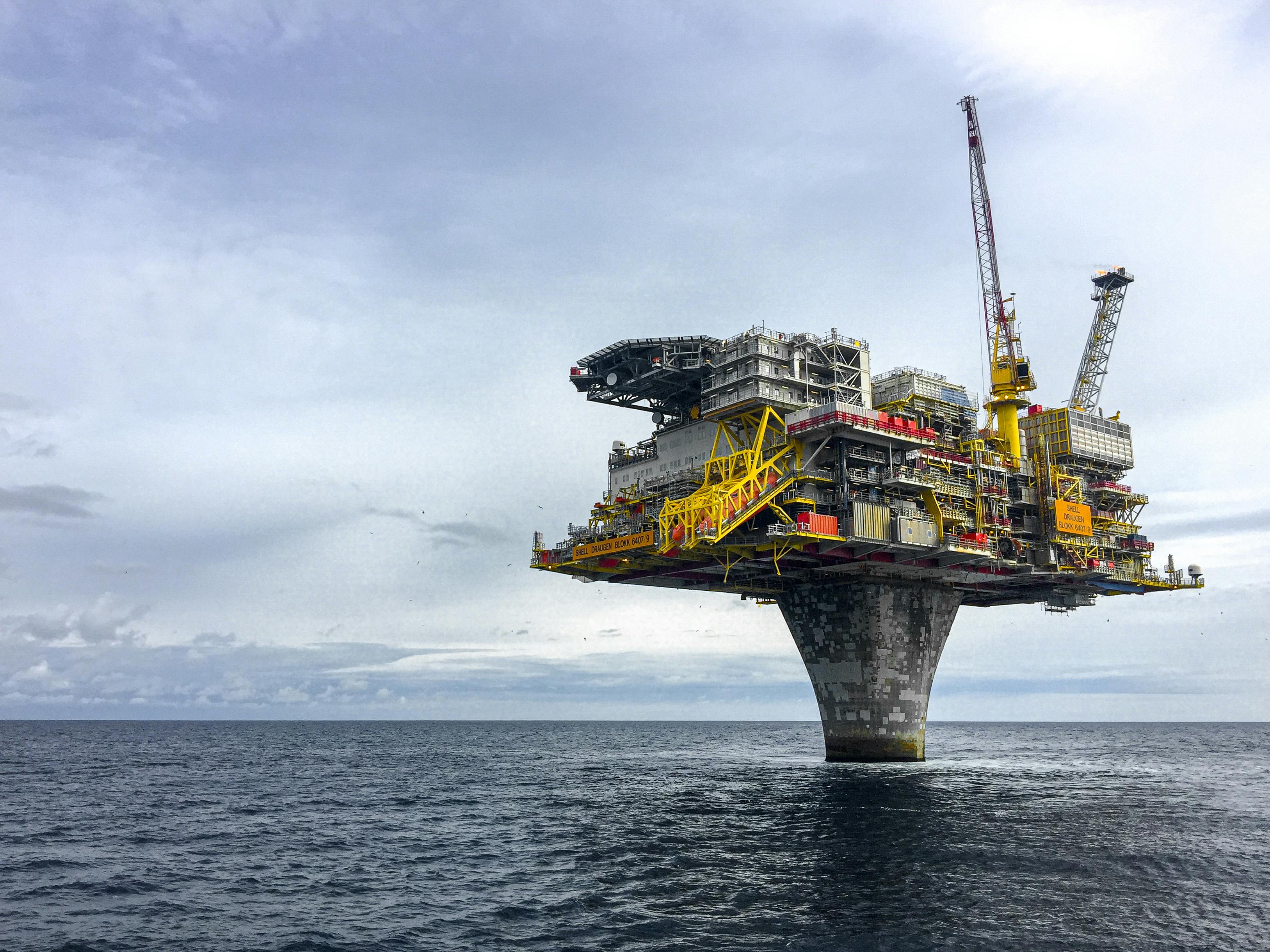
Rachel Reeves will sit down with North Sea oil and gas executives on Wednesday, a hastily arranged meeting that reveals more about the government's current predicament than any official statement could. The timing is brutal: just as the Chancellor spent her Spring Statement promoting "stability" and rising investment, Iranian drones attacked Qatari LNG facilities and sent energy markets lurching upward. For a government that has staked its economic credibility on taming inflation and creating certainty, this represents exactly the sort of external shock that makes fiscal plans look suddenly fragile.
Brent crude has jumped from $73 to roughly $82 per barrel in a matter of days. Gas prices have followed suit after Qatar's state company shuttered liquified natural gas production. The arithmetic is unforgiving.
According to a rule of thumb that Treasury officials and OBR analysts still use, a 20 per cent rise in oil and gas prices translates to approximately one percentage point added to inflation and half a percentage point shaved off growth. Jeremy Hunt cited these same calculations during his time as Chancellor, speaking on LBC. If current price movements hold, the macroeconomic consequences become material rather than marginal.
Enjoying this article?
Get stories like this in your inbox every week.
The forecasting problem
David Miles from the Office for Budget Responsibility told MPs during the Spring Statement that there was "more uncertainty" around inflation predictions, even as official forecasts suggested price growth would ease faster than previously expected this year. Ruth Curtice, chief executive of the Resolution Foundation, put it more bluntly: the OBR's new forecasts "already look out of date". What's particularly awkward for the Treasury is that these warnings arrived before the Iranian strikes sent markets scrambling.
The gap between forecast and reality was widening even in relatively calm conditions. An extended period of elevated energy prices could force a wholesale recalibration of the government's fiscal assumptions.
Schroders global economist David Rees has suggested the Bank of England would "pause for thought" on an interest rate cut later this month, despite investors having priced in a reduction in borrowing costs before the conflict erupted. That pause matters enormously for households still adjusting to higher mortgage rates and for businesses making investment decisions based on anticipated rate trajectories. The government's growth story depends on both.
A policy caught in contradiction
Wednesday's meeting becomes more theatre than solution. Reeves finds herself courting the same North Sea operators her government has spent months penalising. Energy companies currently face a combined 78 per cent headline tax rate on profits, a burden that includes the energy profits levy Labour has maintained and extended.
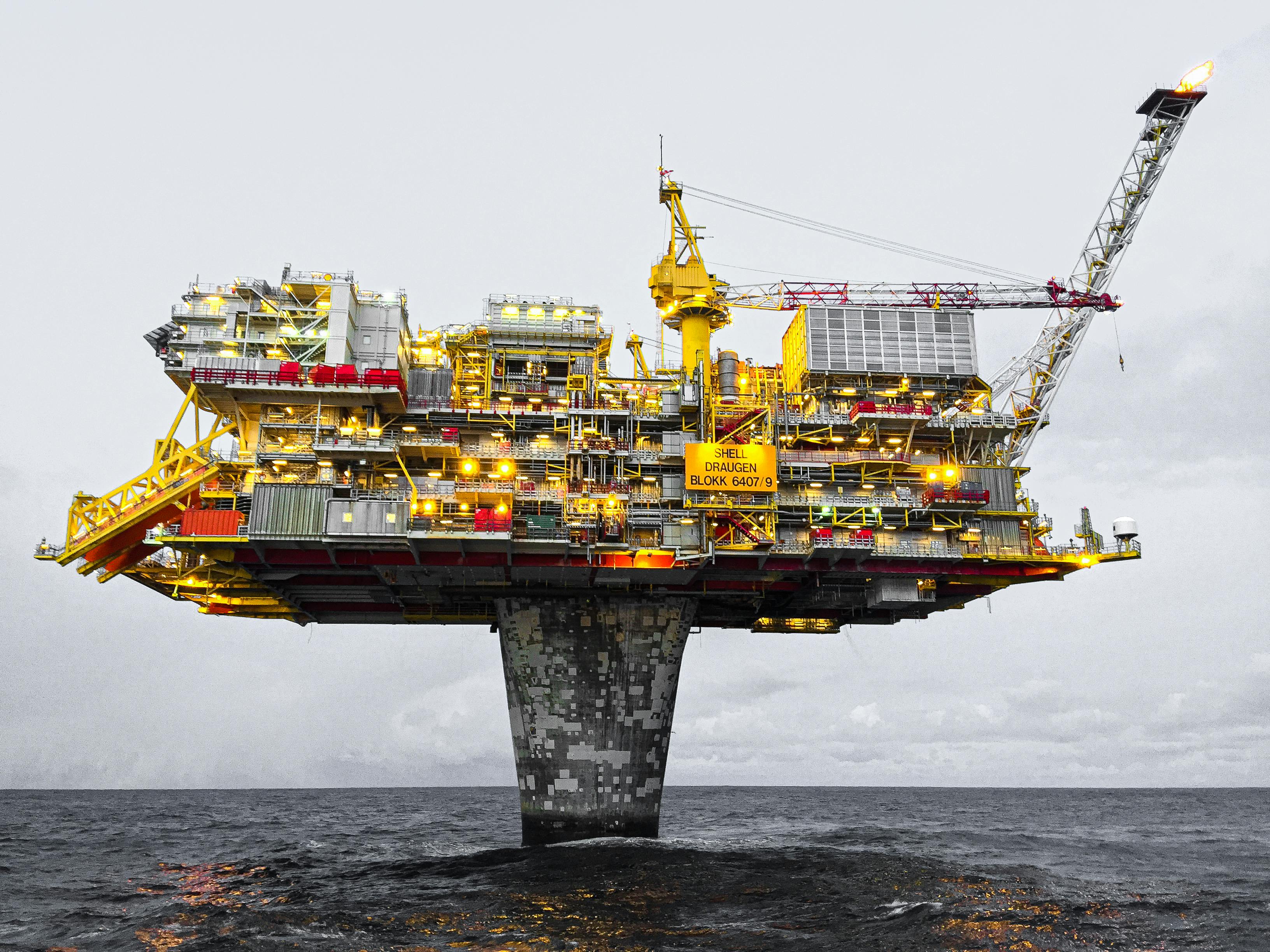
Economists at Peel Hunt and Panmure Liberum, along with several other City firms sympathetic to the sector, have urged the government to lower this levy and remove regulatory barriers preventing firms from expanding North Sea exploration. Martin Beck from WPI Strategy argued that "a credible strategy to bolster domestic energy security, including encouraging, rather than curtailing, North Sea production, would help shield the public finances and the UK's balance of payments from the volatility of global markets."
The operators walking into that meeting know their leverage has just improved considerably. They also know the government cannot easily reverse course without appearing to abandon its climate commitments or fiscal strategy. President Donald Trump has already criticised UK energy policy, pointing to industrial electricity costs that run more than 80 per cent above those in France, though his opposition to net zero targets is ideologically driven rather than grounded in consensus economics.
Labour's dilemma is structural rather than tactical. The party entered government promising both aggressive climate action and economic stability. Those goals can coexist when energy markets cooperate and transition costs remain manageable. They collide when geopolitical events expose the UK's continued dependence on fossil fuels and the fragility of alternative supply chains.
What Reeves can actually do
The Chancellor's options for Wednesday's meeting are constrained. She cannot credibly promise significant tax relief to North Sea operators without triggering internal party revolt and undermining the fiscal prudence narrative she has carefully constructed. She cannot suddenly pivot toward expanded fossil fuel production without shredding climate targets that remain legally binding. What she can offer is dialogue, assurances about regulatory predictability, and perhaps marginal adjustments to licensing processes.

Whether that satisfies executives facing a 78 per cent tax rate whilst being asked to increase production is doubtful. Whether it reassures markets worried about UK energy security is equally questionable.
The more significant question is whether this price shock proves temporary or marks the beginning of sustained volatility. A brief spike that reverses within weeks leaves the government's fiscal plans bruised but intact. A prolonged period of elevated prices forces a fundamental rethink of both energy policy and growth projections, with inflation remaining stubbornly elevated and the Bank of England holding rates higher for longer than anyone currently expects. Wednesday's meeting might produce reassuring statements about cooperation and shared objectives, but it cannot resolve the underlying tension between taxing domestic production whilst depending on it for economic stability.
- The conflict between aggressive climate policy and energy security has moved from theoretical to immediate, with Labour's 78 per cent tax rate on North Sea operators now clashing directly with the need for domestic production stability
- Watch whether energy price increases prove temporary or sustained—prolonged elevation will force the Treasury to recalibrate fiscal assumptions and could keep Bank of England interest rates higher for considerably longer than markets currently expect
- Wednesday's meeting is unlikely to produce substantive policy shifts, but the political dynamics have changed: North Sea operators now have significantly more leverage whilst the Chancellor's room for manoeuvre has narrowed considerably

Co-Founder
Multi-award winning serial entrepreneur and founder/CEO of Venntro Media Group, the company behind White Label Dating. Founded his first agency while at university in 1997. Awards include Ernst & Young Entrepreneur of the Year (2013) and IoD Young Director of the Year (2014). Co-founder of Business Fortitude.
Comments
💬 What are your thoughts on this story? Join the conversation below.
to join the conversation.