Scotland's Windfall Tax Fight: Energy Security or Political Ploy?
- The Energy Profits Levy windfall tax was introduced in 2022 during the Ukraine war price surge
- UK North Sea oil and gas production has declined by roughly two-thirds since peaking in 1999
- Employment in UK offshore oil and gas fell from approximately 200,000 in 2014 to below 150,000 by 2020, before the levy existed
- Middle Eastern LNG accounts for around 10 per cent of UK gas imports, with Norway supplying the majority through direct pipelines
John Swinney has weaponised Middle Eastern tensions to demand abolition of the windfall tax on North Sea extraction, reframing an economic dispute as an energy security crisis. The First Minister's intervention comes after failing to secure the tax's removal in Tuesday's spring statement, now casting continued extraction as a strategic imperative rather than environmental liability. His timing places Labour Chancellor Rachel Reeves in an uncomfortable political bind ahead of Wednesday's crucial meeting with energy industry leaders.
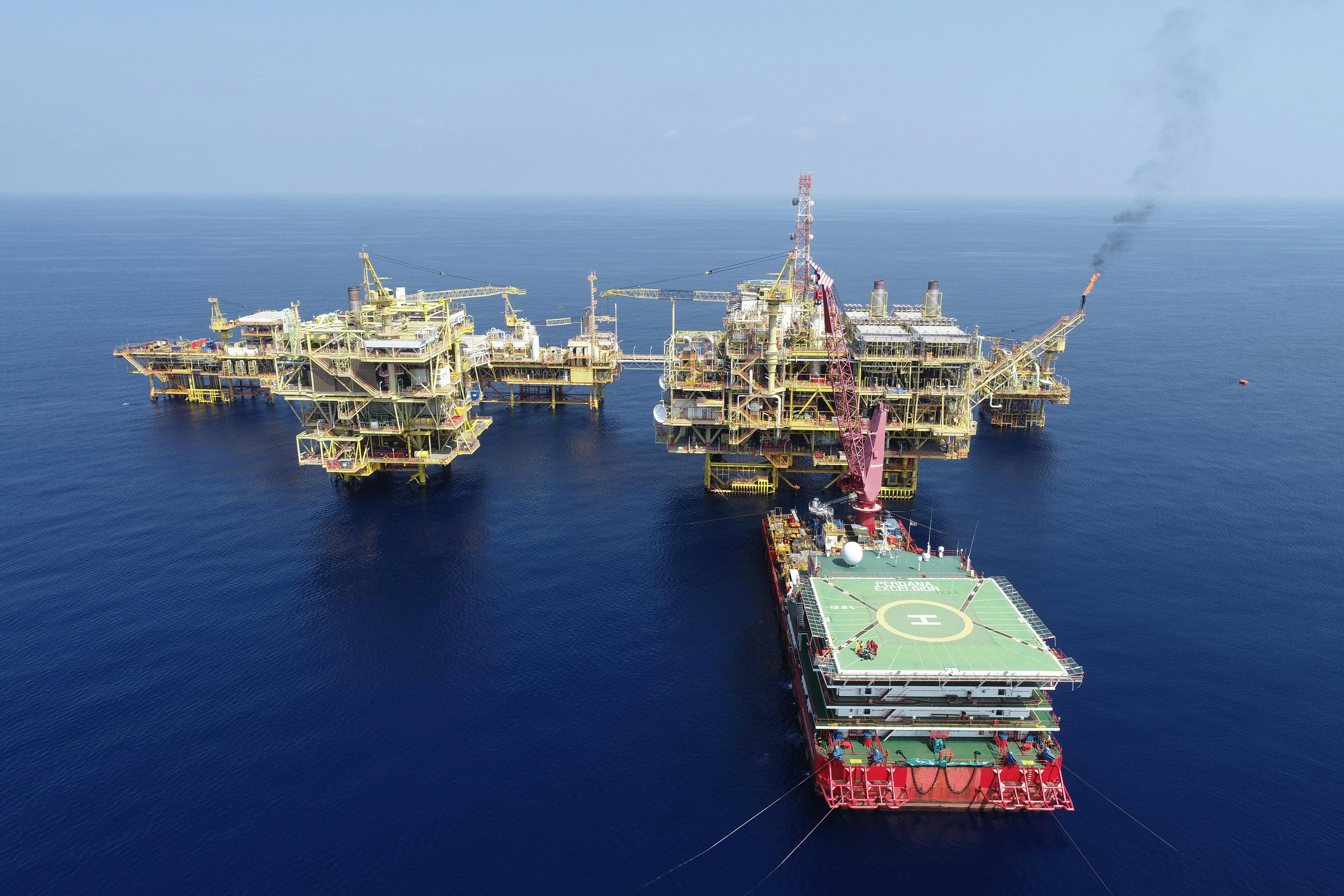
Speaking ahead of Reeves's scheduled Wednesday meeting with energy industry leaders, the First Minister declared it 'utterly essential' that the Energy Profits Levy be scrapped. The timing is instructive. Having failed to secure the tax's removal in Tuesday's spring statement, Swinney has now reframed his argument through the prism of Middle Eastern instability, suggesting that geopolitical uncertainty over supply routes makes continued North Sea extraction a strategic imperative rather than an environmental liability.
The Energy Profits Levy, to give the windfall tax its formal name, was introduced by the Conservative government in 2022 as energy companies posted extraordinary profits during the Ukraine war's price surge. The logic was straightforward: firms benefiting from circumstances entirely beyond their control should return a portion of windfall gains to a Treasury supporting households through unprecedented bills. Labour inherited the policy and has maintained it, though the party now finds itself squeezed between fiscal necessity, its environmental commitments, and the political reality of defending Scottish seats where North Sea jobs carry electoral weight.
Enjoying this article?
Get stories like this in your inbox every week.
When structural decline meets political opportunism
What's interesting here is how Swinney's intervention blurs the line between policy impact and inevitable decline. North Sea production has been falling for years, driven by reservoir depletion and the straightforward economics of ageing infrastructure in one of the world's most expensive extraction environments. According to the North Sea Transition Authority, UK oil and gas production peaked in 1999 and has declined by roughly two-thirds since then.
Disentangling the effects of taxation from geological reality requires more rigour than Swinney's rhetoric provides.
The First Minister claims the levy is 'hampering investment' and 'resulting in a loss of employment at a much faster rate than we anticipated'. Yet he offers no figures, no attribution, and no comparison to the sector's employment trajectory before the levy's introduction. Industry bodies have indeed complained about the tax's impact on investment decisions, but they would say that.
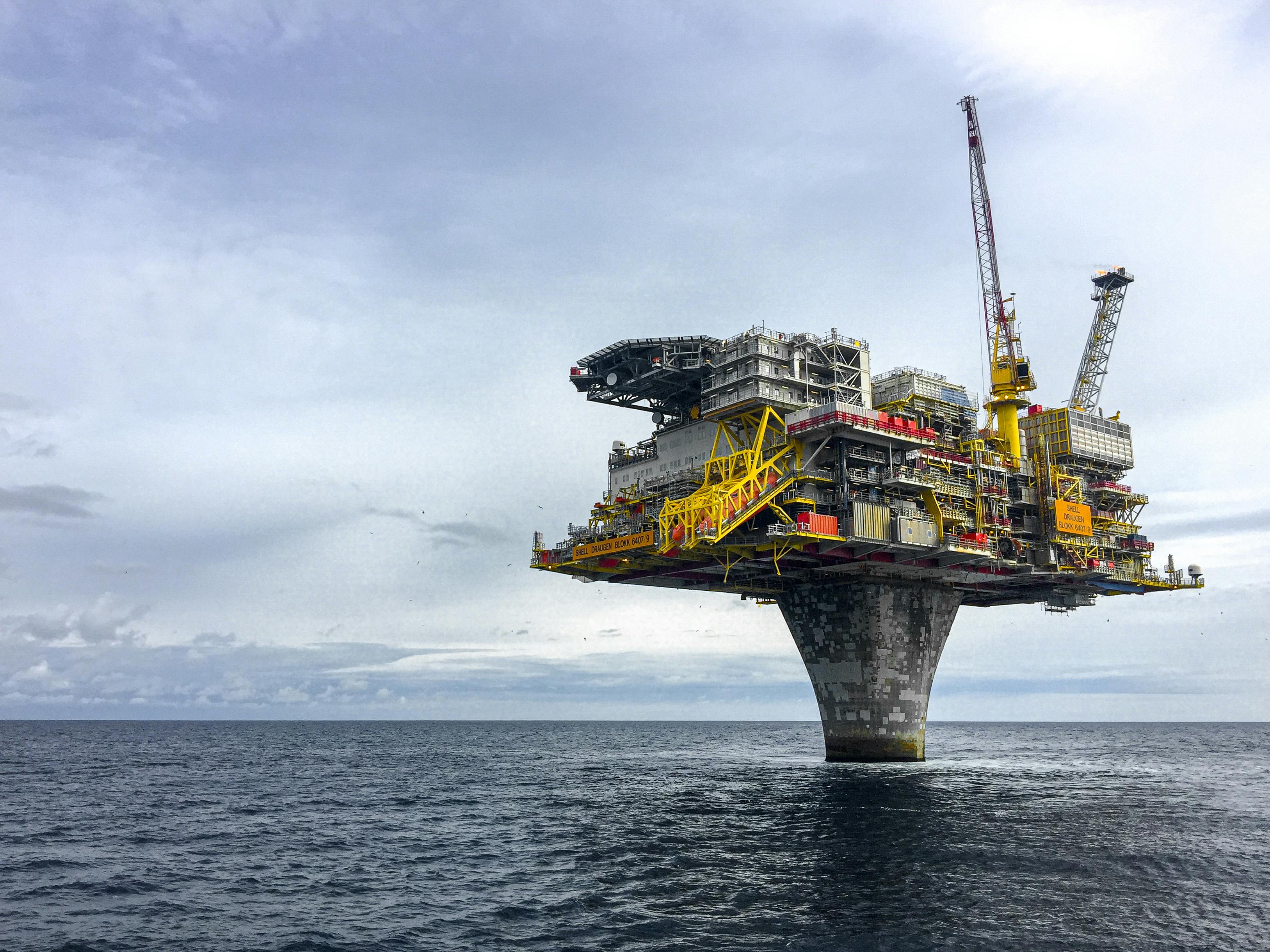
Independent analysis from Fraser of Allander Institute found that whilst the levy does affect marginal projects, it accounts for only part of the investment slowdown in a basin facing fundamental economic headwinds. Employment in the UK offshore oil and gas sector stood at approximately 200,000 in 2014, according to Oil & Gas UK. By 2020, before the levy existed, that figure had fallen below 150,000.
The sector has been shedding jobs for the better part of a decade, accelerated by the 2014-2016 price crash and the global shift towards renewables investment. Blaming a two-year-old tax for a multi-year trend stretches credibility.
The energy security argument's weak foundations
Swinney's pivot to energy security deserves scrutiny. The UK imports roughly half its gas, with Norway supplying the majority through direct pipelines. Middle Eastern liquefied natural gas accounts for a relatively small portion of UK supply, with Qatar providing around 10 per cent of imports according to government figures.
The notion that conflict in the region creates immediate supply vulnerability for Britain overlooks how integrated European gas markets actually function and where the UK sources its energy.
Britain's genuine energy security challenges relate more to storage capacity, grid resilience, and the pace of renewable deployment than to North Sea extraction rates. The UK has notoriously limited gas storage compared to European neighbours, a strategic weakness that no amount of domestic production can fully address given consumption patterns and seasonal demand fluctuations.
What the First Minister has done, quite skilfully, is positioned himself as the defender of Scottish industrial interests whilst placing Labour in an uncomfortable bind. Scrapping the levy would cost the Treasury billions in forgone revenue at a time when Reeves has made fiscal discipline her defining characteristic. Maintaining it risks alienating voters in Aberdeen and the surrounding constituencies where the SNP and Labour compete directly, whilst also straining relationships with union members whose jobs depend on the sector.

Finance Secretary Shona Robison doubled down on Tuesday, insisting Reeves must use Wednesday's industry meeting to 'announce an end to this tax on Scotland's energy'. The framing is deliberate: a tax on Westminster's books becomes a tax on Scotland's resources, feeding the broader nationalist narrative about economic sovereignty.
Wednesday's meeting will reveal whether Reeves judges the political pain of maintaining the levy worth the fiscal and environmental benefits. The energy firms will make their case forcefully, as they have since the tax's introduction. Whether the Chancellor concedes ground, offers minor modifications, or holds firm will signal how Labour plans to navigate the fundamental tension between its green ambitions and its desire to retain Scotland's industrial constituencies.
The Chancellor has so far refused to scrap the levy despite mounting pressure from North Sea operators. Meanwhile, Scottish Labour leader Anas Sarwar has defended the decision to retain the tax, insisting it was the "right choice" despite industry anger. Swinney has ensured that whatever Reeves decides, the Scottish Government can claim either vindication or victimhood.
- Watch how Labour balances fiscal discipline against electoral vulnerability in Scottish constituencies where North Sea employment matters, as Reeves's decision will signal the party's priorities between green commitments and industrial jobs
- The energy security argument masks a deeper structural reality: North Sea decline is driven primarily by geological depletion and economics, not taxation policy, making the levy a convenient scapegoat for inevitable transition
- Swinney has positioned the SNP to claim political victory regardless of outcome, framing any decision as either vindication of Scottish interests or further evidence of Westminster indifference

Co-Founder
Multi-award winning serial entrepreneur and founder/CEO of Venntro Media Group, the company behind White Label Dating. Founded his first agency while at university in 1997. Awards include Ernst & Young Entrepreneur of the Year (2013) and IoD Young Director of the Year (2014). Co-founder of Business Fortitude.
Comments
💬 What are your thoughts on this story? Join the conversation below.
to join the conversation.