Labour's Housing Plan Faces Collapse: SME Builders Can't Survive
- Labour has pledged to build 1.5 million homes by the next general election
- SME housebuilder transactions have fallen 41% since 2021 according to Savills research
- Builders delivering 500-1,000 homes annually saw average sales per outlet drop from 33 units in 2021 to 19 last year
- SME housebuilders constructed 40% of Britain's new homes in 1988; their share of completions outside the top 50 firms has since fallen 38%
The arithmetic of Labour's housing ambition is simple enough: 1.5 million homes by the next general election. The reality on the ground is considerably messier. The small and medium-sized builders who might actually construct those homes are watching their sales collapse, and without intervention, many won't survive long enough to see whether the government's targets were ever serious.
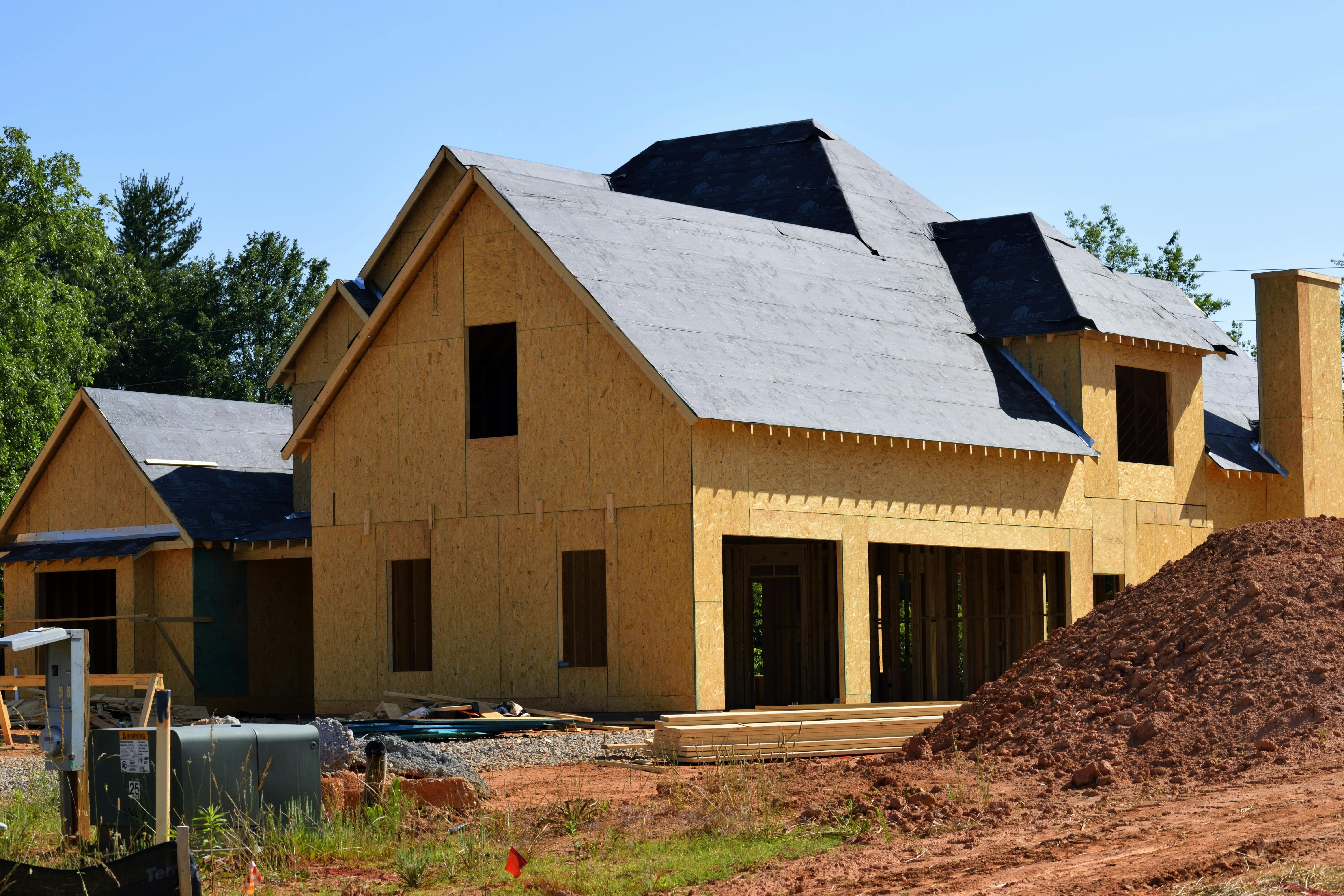
These aren't marginal players. SME housebuilders constructed 40 per cent of Britain's new homes in 1988. Their share of completions outside the top 50 firms has since fallen 38 per cent, a structural shift that has fundamentally altered who builds Britain's housing stock. The figures from Savills show builders delivering between 500 and 1,000 homes annually have seen average sales per outlet crater from 33 units in 2021 to just 19 last year.
Large builders, by contrast, have stabilised. The proposed solution arrives wrapped in controversy. Industry groups are demanding the government revive an equity loan scheme for first-time buyers, effectively resurrecting Help to Buy under a different name.
Enjoying this article?
Get stories like this in your inbox every week.
That programme, which offered buyers loans of up to 40 per cent, was quietly shuttered in 2023 after sustained criticism that it had artificially inflated house prices by pumping demand into a supply-constrained market. What's interesting here is the timing. The collapse in SME sales coincides precisely with the post-2021 interest rate surge that obliterated mortgage affordability for a generation of would-be buyers.
This suggests something more permanent than a cyclical downturn: a fundamental market consolidation favouring major players with deeper balance sheets and the financial firepower to offer incentives that SMEs simply cannot match.
The affordability illusion
The LPDF, which represents developers with a direct financial interest in reviving demand-side support, claims an equity loan scheme could unlock 85,000 additional completions and add £24 billion to GDP over the next three years. The federation asserts that 375,000 renting families could afford to purchase a new home with a five per cent deposit and government loan support, raising the proportion of families able to buy in their local area from seven per cent to 30 per cent.

These figures deserve scrutiny. Affordability underwritten by state subsidy isn't genuine affordability. It's government-sponsored leverage that allows buyers to access price points they couldn't otherwise reach, which critics of the original Help to Buy scheme argued simply bid up prices without addressing the fundamental supply shortage.
The equation hasn't changed: if you increase purchasing power without increasing housing supply, prices rise to meet the new level of available capital. Paul Brocklehurst, chair of the LPDF, characterised the situation as existential. 'Without targeted demand-side support, we risk losing a generation of SME builders and with them the capacity needed to meet the country's vital housing ambitions,' he said.
Chris Buckle, director of residential research at Savills, warned that without demand stimulation, the industry risks losing the capacity that supported 220,000 total completions between 2019 and 2022.
Policy contradictions compound the crisis
The pressure on SME builders extends beyond anaemic sales rates. This week, the boss of a leading construction trade body warned that Rachel Reeves' national insurance increases and inheritance tax reforms are simultaneously hammering the family-run suppliers and contractors that provide equipment and expertise to smaller builders. Leading London estate agency Foxtons blamed 'government-driven' costs including minimum wage hikes and national insurance contributions for preventing the firm from turning a profit despite revenue growth.
The contradiction is stark. Labour has staked substantial political capital on delivering the most ambitious housebuilding programme in a generation, yet the Chancellor's fiscal decisions are undermining the very firms needed to deliver it.
Large construction groups can absorb these cost increases. SME builders operating on thinner margins with fewer sales cannot. The question facing policymakers is whether Britain can afford to lose its SME housebuilding sector.

Market concentration might bring efficiencies of scale, but it also reduces competition, limits innovation, and creates dependence on a handful of large firms whose priorities don't always align with national housing need. The major builders focus on volume and margin; SME firms historically filled gaps in local markets and took on sites the big players ignored.
Whether reviving an equity loan scheme represents a solution or simply repeats the mistakes of Help to Buy will depend entirely on execution. Without parallel reforms to accelerate planning approvals, release land, and genuinely boost supply, demand-side intervention risks inflating prices whilst doing little to increase actual housing stock. But if SME builders continue disappearing at the current rate, the government may find its 1.5 million homes target colliding with the uncomfortable reality that the firms capable of building them no longer exist.
The Spring 2026 timeline suggested by Savills for launching any new scheme leaves little margin for error or extended consultation. By then, some of the capacity the government hopes to mobilise may already be gone—a situation made worse by the fact that the construction industry is suffering its longest downturn since the financial crisis. Meanwhile, London housebuilding has collapsed by 84% in a decade as rising build costs and a weak sales market force contractors out of business.
- Britain faces a structural consolidation in housebuilding that favours large firms over SMEs, potentially reducing competition and limiting the capacity needed to meet government targets
- Any revival of demand-side support like equity loans must be paired with genuine supply-side reforms to prevent simply inflating prices without increasing housing stock
- The contradiction between ambitious building targets and fiscal policies that undermine SME builders needs urgent resolution before critical capacity is permanently lost

Co-Founder
Multi-award winning serial entrepreneur and founder/CEO of Venntro Media Group, the company behind White Label Dating. Founded his first agency while at university in 1997. Awards include Ernst & Young Entrepreneur of the Year (2013) and IoD Young Director of the Year (2014). Co-founder of Business Fortitude.
Comments
💬 What are your thoughts on this story? Join the conversation below.
to join the conversation.