Independent Grocers Face Structural Pricing Squeeze. Policy Inaction Is the Real Threat.
- Independent grocers represent one third of US grocery sales, operating approximately 21,000 stores nationwide
- Wholesale prices for independents often match or exceed retail prices at major chains, creating an impossible competitive position
- The Robinson-Patman Act, designed to prevent price discrimination since 1936, saw only two enforcement actions in decades before Trump administration dropped the PepsiCo case
- Independent retailers report wholesale cost disadvantages of 20-30% compared to chain retail prices
The mathematics of American grocery retail have broken down. When independent store owners pay wholesalers $5 for a box of cereal that Tesco and Walmart sell for $5, the business model hasn't failed—it's become structurally impossible. This isn't a story about inefficiency or poor management; it's about whether independent grocers can exist at all within consolidated supply chains that privilege scale above all else.
Alap Vora's Concord Market in Brooklyn exemplifies the paradox. His staff drive to Costco and CVS to purchase inventory because retail promotional prices undercut his wholesale costs. Independent grocers across America are buying retail to sell retail, a circular absurdity that signals deeper dysfunction in how essential goods reach consumers.
The Structural Squeeze
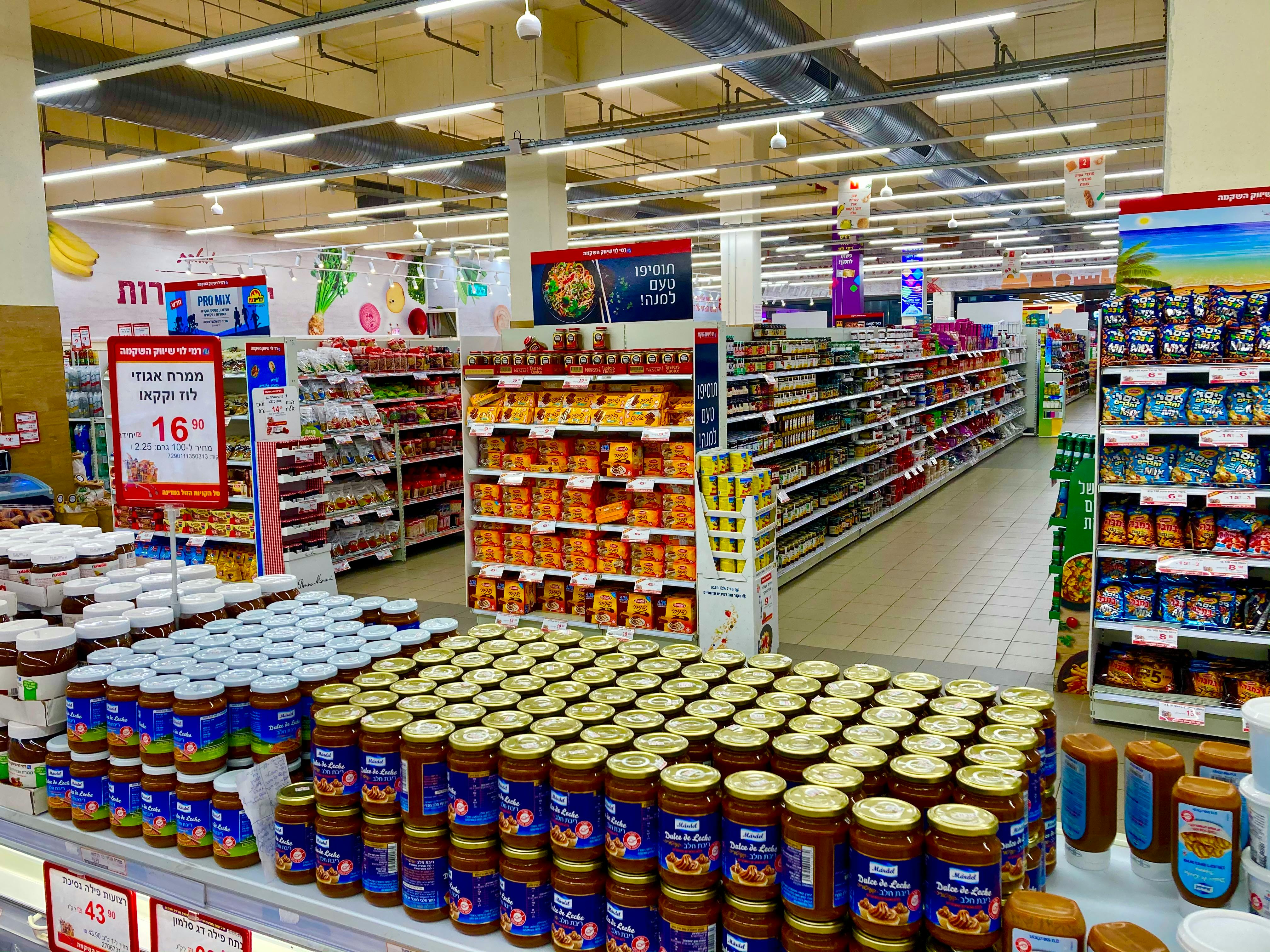
The mechanism creating this impossible situation is straightforward but brutal. Large chains negotiate directly with manufacturers like PepsiCo and Nestlé, securing volume discounts and preferential terms that reflect their purchasing power. Independent stores must rely on distributors who add their own margin, creating a two-tier wholesale market where small operators are priced out before they stock a single shelf.
Enjoying this article?
Get stories like this in your inbox every week.
What emerges isn't merely competitive disadvantage—it's mathematical impossibility. Grocery retail operates on thin margins under the best circumstances. When your cost of goods matches competitors' selling prices, no amount of operational efficiency can bridge that gap. Vora's customers rent cars to reach Costco because his prices, through no operational failing of his own, simply cannot compete.
Independent retailers are, quite literally, buying retail to sell retail—a circular absurdity that signals deeper dysfunction in how essential goods reach consumers.
These independents aren't a nostalgic footnote. According to industry figures, they account for one third of US grocery sales, serving urban neighbourhoods and rural areas where chains find the economics unappealing. Their disappearance would fundamentally reshape how Americans access food, yet regulatory intervention remains hesitant and contradictory.
Regulatory Paralysis
The Robinson-Patman Act, passed in 1936 to prevent precisely this kind of price discrimination, sat largely dormant for decades. Biden administration regulators filed two enforcement actions in the final months of his term—one targeting a major alcohol distributor, the other PepsiCo. The Trump administration promptly dropped the PepsiCo case, and the company maintained it had always provided "fair, competitive, and non-discriminatory pricing".
Katherine Van Dyck, whose consulting firm KVD Strategies advises small businesses on antitrust matters, argues there's no evidence that Robinson-Patman enforcement harms consumers. The counter-argument, advanced by legal scholars including New York University professor Daniel Francis, holds that preventing volume discounts could raise prices for shoppers. Francis suggests that large retailers explicitly demanding suppliers charge rivals more would already violate existing antitrust law, making Robinson-Patman redundant.
What's interesting here is how the debate frames the problem as a binary choice between consumer prices and small business viability. The current system may be delivering neither optimal consumer choice nor competitive markets. Vora's testimony before the Senate Committee on Banking, Housing and Urban Affairs in May 2024 laid bare these contradictions, yet policy responses remain elusive.
When your cost of goods matches competitors' selling prices, no amount of operational efficiency can bridge that gap.
Beyond Breakfast Cereal
The pricing squeeze extends well beyond grocery retail. Van Dyck notes that independent bookstores and locally-owned pharmacies face identical dynamics. The pattern suggests that in sectors where procurement represents the primary cost driver, scale advantages may be eliminating the viability of independent business models entirely.
This isn't about operational efficiency or customer service quality. It's about whether the mathematics permit independent operators to exist at all. Both bookstores and pharmacies have seen dramatic consolidation over the past two decades, with scale players like Amazon and CVS absorbing market share through procurement advantages that smaller operators cannot replicate.
Grocery retail may be following the same trajectory, with the added complexity that food access carries social equity implications beyond consumer preference. Vora shuttered his second location in Manhattan weeks ago, surrounded by boxes of inventory in his basement office. His customers now have one fewer option, and the neighbourhood has shifted marginally closer to the consolidated model that defines modern retail.
The Narrowing Path Forward
The policy toolkit remains frustratingly limited. Francis proposes easing tax and regulatory burdens on small retailers, though it's unclear how compliance cost reductions would overcome wholesale pricing disadvantages of 20% or 30%. Vora advocates for pricing transparency and better communication channels with major brands, recounting his difficulty reaching appropriate contacts at PepsiCo and Frito-Lay. Even after securing meetings, the structural pricing remained unchanged.
PepsiCo's statement that it provides non-discriminatory pricing may well be legally accurate under current interpretations of antitrust law, even as independent grocers pay substantially more per unit than chains. The question isn't whether individual suppliers are behaving badly within existing rules. It's whether the system itself permits independent operation in essential retail sectors.
With Robinson-Patman enforcement now uncertain under the Trump administration and no legislative momentum for structural reform, independents face a narrowing path forward. Vora frames it as a societal choice about whether small business job creation matters, but the decision may be made through inaction. Each closure shifts another neighbourhood towards fewer choices and the pricing power that consolidation permits.
The wholesale-retail price convergence that Vora documents isn't a temporary market condition requiring correction. It's the operating reality of consolidated supply chains, and nothing on the regulatory horizon suggests it will shift. Independent grocers aren't asking for protection from competition—they're asking whether competition remains possible when the mathematics make survival impossible.
- Watch for accelerating consolidation in grocery retail as independents face structural pricing disadvantages that operational efficiency cannot overcome—this affects food access in underserved communities
- The collapse of Robinson-Patman enforcement signals broader regulatory retreat from addressing scale advantages in procurement-driven industries, with implications extending to bookstores, pharmacies, and other essential retail sectors
- Consumer choice between low prices and retail competition may be false—consolidated supply chains could eventually reduce both price competition and access as independent alternatives disappear

Co-Founder
Multi-award winning serial entrepreneur and founder/CEO of Venntro Media Group, the company behind White Label Dating. Founded his first agency while at university in 1997. Awards include Ernst & Young Entrepreneur of the Year (2013) and IoD Young Director of the Year (2014). Co-founder of Business Fortitude.
Comments
💬 What are your thoughts on this story? Join the conversation below.
to join the conversation.