- Thames Water carries £20 billion in debt, much of which funded shareholder dividends rather than infrastructure investment
- South East Water fined £22 million by Ofwat for leaving Kent and Sussex customers without water during high demand
- South West Water's contaminated supply caused a cryptosporidium outbreak affecting over 140 Devon residents, hospitalising four
- Britain remains a global outlier as the only developed nation to have privatised its entire water supply to regional monopolies
The arithmetic of privatised water has never quite added up. For thirty-five years, Britain has maintained its position as a global oddity, having sold off its entire water supply to private companies who now operate regional monopolies with guaranteed customers and regulated returns. Last week provided a concentrated glimpse of just how badly the experiment is failing.
South East Water collected a £22 million fine from Ofwat for leaving Kent and Sussex customers without water during periods of high demand. The previous day, South West Water confirmed it had supplied contaminated water to Devon residents, triggering a cryptosporidium outbreak that put four people in hospital and sickened more than 140 others with an intestinal parasite. And hovering above it all, Thames Water continues its slow-motion collapse under £20 billion of debt, a sum so large it threatens to drag the entire privatisation model down with it.
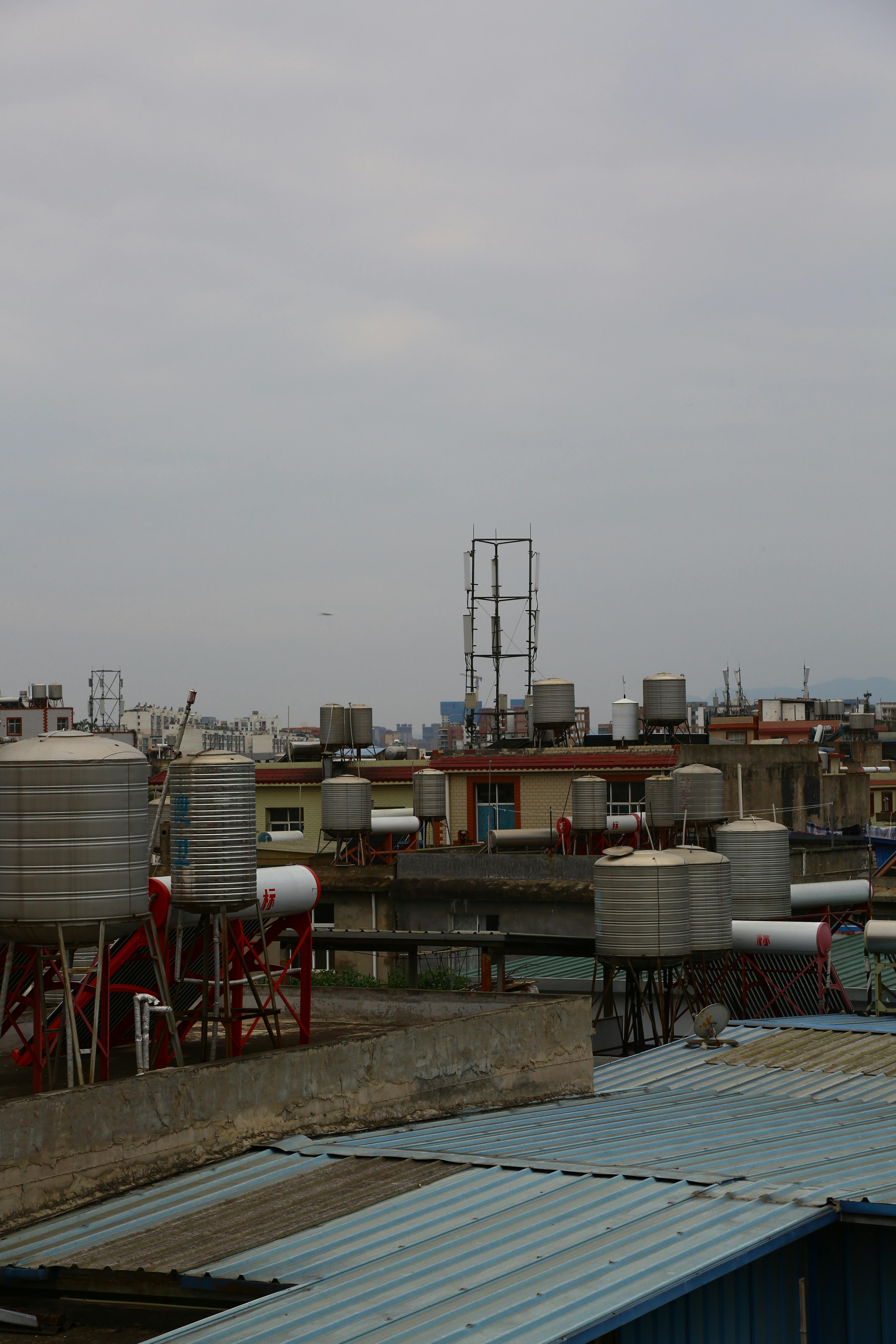
Industrial water treatment facility with pipes and infrastructure
What's striking about this convergence of failures is not that any single incident occurred. Regulatory breaches happen. The problem is the pattern they reveal, and the structural impossibility of reconciling private ownership's demand for returns with water infrastructure's requirement for patient, unglamorous capital investment. When three major water providers face serious regulatory action within days of each other, you're witnessing systemic failure, not isolated mishaps.
The debt trap
Thames Water's predicament exposes the fundamental flaw in how Britain privatised its water sector. Private equity and infrastructure funds acquired these assets not to revolutionise service delivery but to extract value through financial engineering. The company's £20 billion debt pile wasn't accumulated building treatment plants or replacing Victorian pipes. Much of it funded dividend payments to shareholders whilst infrastructure crumbled beneath customers' feet.
According to court documents filed during last year's debt restructuring proceedings, a case involving some 2,000 pages made virtually no reference to customers or environmental impact.
The entire process centred on negotiations between global investment funds over how to carve up the financial carcass. Liberal Democrat MP Charlie Maynard had to intervene, supported by pro bono legal representation, simply to get the public interest acknowledged in court proceedings about their own water supply. That this was necessary tells you everything about how privatised utilities view their relationship with the people they ostensibly serve.
The restructuring remains unresolved, with Thames Water lurching between potential outcomes that range from bad to worse for customers. One option involves a special administration regime, an unprecedented intervention at this scale that would see insolvency professionals take control until a private buyer emerges and debt is restructured to affordable levels. Finding such a buyer is far from certain. Who wants to acquire a business groaning under two decades of underinvestment, with regulators finally showing appetite for enforcement and the political consensus on privatisation evaporating?
The ideology that failed
Britain's water privatisation was always ideological rather than practical. Most developed nations kept water supply in public hands, recognising that natural monopolies providing essential services don't benefit from market forces that don't exist. You cannot switch water provider if yours delivers inadequate service. Competition, the supposed magic ingredient of privatisation, simply doesn't apply.
Water flowing from residential tap
For years, defenders of the model could point to investment figures that looked respectable on paper. But scratch beneath the surface and those numbers reveal expenditure overwhelmingly directed toward servicing debt and rewarding shareholders rather than replacing ageing infrastructure or improving resilience. South East Water's failures occurred during "periods of high demand and extreme weather" precisely because the network lacks the redundancy and capacity that decades of proper investment would have provided. Ofwat found customers experienced "immense stress and anxiety" from being unable to access water, a phrase that undersells the reality of taps running dry in a wealthy G7 nation.
When your business model prioritises debt servicing over everything else, something has to give. In this case, it was public health.
The Devon cryptosporidium outbreak represents a different kind of failure, but one equally rooted in the same structural problems. Water treatment requires constant vigilance, regular equipment upgrades, and sufficient staffing to monitor quality. These are operational costs that eat into margins and don't generate attractive returns.
What comes next
The suggestion that Thames Water represents an outlier, with smaller companies remaining "profitable and operationally secure," requires serious scrutiny. South East Water isn't some minor regional player. The simultaneous regulatory actions against three major providers suggests the stress fractures run throughout the sector. Profitability means nothing if it comes at the expense of service delivery and environmental compliance.

Underground water pipes and infrastructure network
Thames Water's crisis matters beyond its own customers because it will establish the template for future infrastructure collapses across other privatised sectors. Energy networks, rail franchises, and telecommunications all share similar characteristics: natural monopolies providing essential services, owned by private capital seeking returns, operating under regulatory regimes that consistently fail to balance investor demands against public need. If the special administration regime materialises for Thames Water, expect it to become the model for managing decline across Britain's privatised infrastructure.
The political weather has shifted fundamentally. When figures across the political divide question whether privatisation can deliver essential services, you're watching a forty-year ideological consensus crack apart. Full nationalisation of Thames Water might prove the only viable solution, though taxpayers would effectively bail out the same investors whose financial engineering created the crisis. That injustice won't make the need any less urgent.
Britain's water sector is heading toward a reckoning that has been decades in the making. The question isn't whether the privatisation experiment has failed—last week's convergence of crises settled that. The question is how much damage the sector inflicts on customers and the environment before politicians accept what the evidence has been screaming for years: some things shouldn't be run for profit.
- Thames Water's potential special administration regime will likely become the template for managing infrastructure collapse across other privatised sectors including energy and rail
- The structural impossibility of reconciling profit demands with infrastructure investment needs means similar crises are inevitable across other water companies
- Political consensus on privatisation is cracking, making renationalisation increasingly likely despite the injustice of taxpayers bailing out failed financial engineering