TikTok Rejects Encryption: A Child Safety Move or Regulatory Play?
- TikTok will not implement end-to-end encryption for direct messages, diverging from Facebook, Instagram, X, and other major platforms
- The platform has 30 million monthly users in the UK and over one billion globally whose messages remain accessible to authorised employees
- End-to-end encryption is largely banned in China, where TikTok's parent company ByteDance operates
- Child safety organisations including the NSPCC and Internet Watch Foundation have welcomed the decision as an important precedent
TikTok has positioned itself as the sole major social platform refusing to implement end-to-end encryption for direct messages, citing child safety as the overriding concern. The decision creates a striking contradiction for a company that has spent years fighting accusations of surveillance risks tied to its Chinese ownership. Whilst competitors rush to shield user conversations from all outside eyes, TikTok is actively maintaining law enforcement access to private communications.

According to TikTok's briefing to the BBC from its London offices, the platform wants to differentiate itself from competitors by maintaining the ability for safety teams and police to read direct messages when necessary. The company insists it uses standard encryption similar to Gmail, and that only authorised employees can access messages in specific circumstances: valid law enforcement requests or user reports about harmful behaviour. With 30 million monthly users in the UK and more than a billion globally, those circumstances are presumably common.
The irony is not subtle. TikTok was forced to separate its US operations earlier this year precisely because American lawmakers deemed it a surveillance risk linked to Beijing. Now it stands as the only major social platform where Western law enforcement can freely request access to your messages—and the company frames this as a feature, not a bug.
Enjoying this article?
Get stories like this in your inbox every week.
A calculated divergence from industry consensus
End-to-end encryption has become the default precisely because it offers blanket protection from everyone—hostile governments, hackers, even the platforms themselves. WhatsApp, Signal, iMessage, and Google Messages all employ it as standard. Instagram is rolling it out across direct messages. Even X, for all its recent chaos, has implemented something approximating the technology.
The Privacy Coalition argues this is essential infrastructure for activists, journalists, and abuse survivors who need to communicate without fear of surveillance. Civil liberties groups have spent years resisting government efforts to weaken encryption through "backdoors," viewing such proposals as existential threats to digital freedom.
Child safety organisations take the opposite view, with the NSPCC noting that end-to-end encryption prevents detection of child sexual abuse and has contributed to "a worrying global decline in reports" of such material.
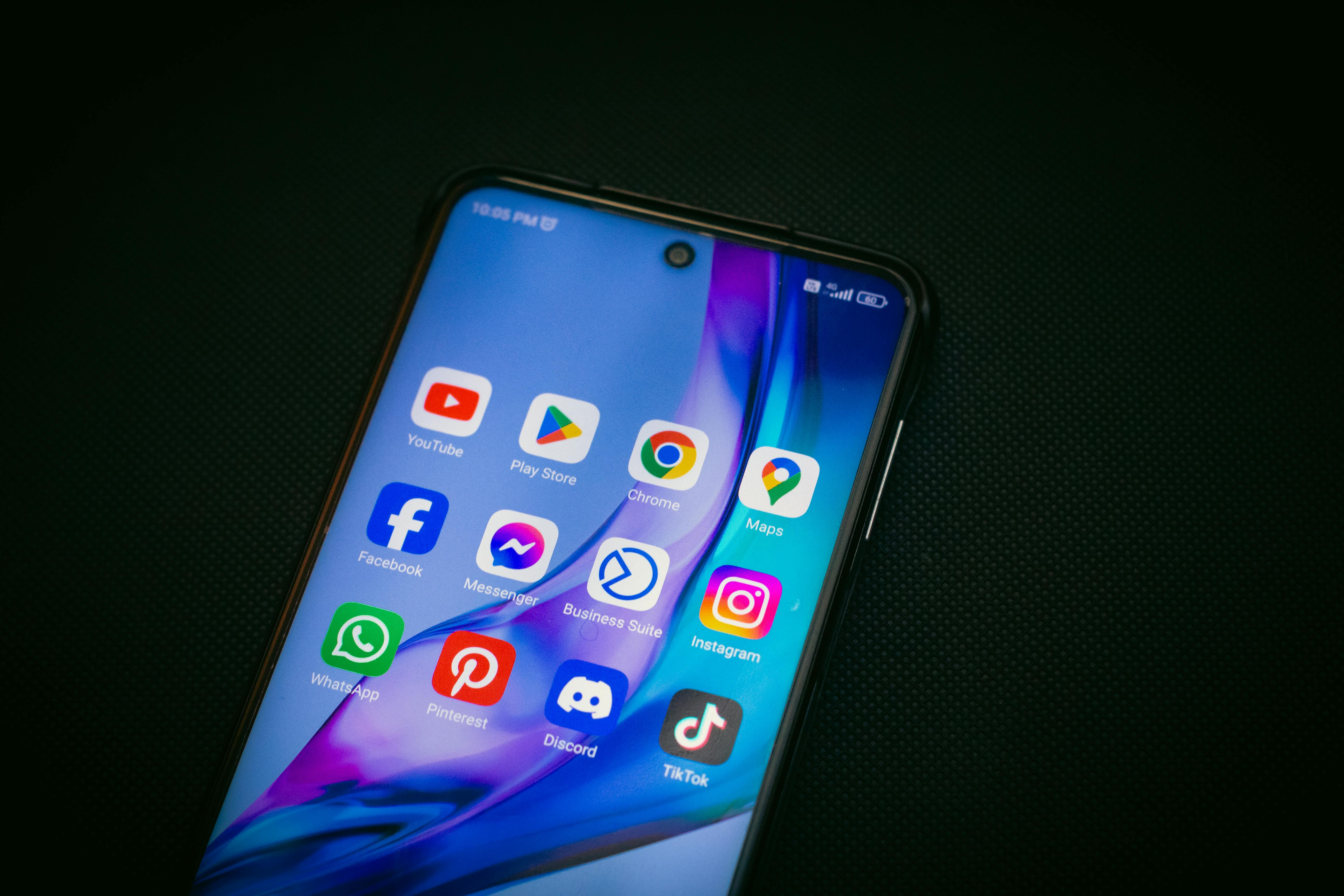
The Internet Watch Foundation, which removes child sexual abuse imagery from the web, called the decision "an important precedent." Social media analyst Matt Navarra described TikTok's approach as swimming against the tide with "pretty combustible optics." The company can credibly claim it prioritises proactive safety over what Navarra called "privacy absolutism"—a powerful position given the genuine risks of grooming and harassment in direct messages.
But the move also places TikTok out of step with global privacy expectations at precisely the moment when its ownership structure remains under intense scrutiny. The platform has created a situation where it is more accessible to Western law enforcement than any of its competitors.
The uncomfortable question of timing
The political calculus here is difficult to ignore. TikTok spent much of last year fighting to maintain unified operations, arguing it posed no security threat to Western users. Those assurances failed to convince US lawmakers, who forced the company to divest its American business amid concerns about Chinese state access to data.
That forced separation was supposed to address surveillance fears. Instead, TikTok has now adopted a policy that aligns closely with what Western governments have long requested—and what Beijing requires within China's borders. Professor Alan Woodward, a cyber security expert at Surrey University, pointed out that end-to-end encryption is "largely banned in China," making TikTok's position consistent with the regulatory environment its parent company navigates.
Whether this reflects genuine child safety priorities or an attempt to curry favour with Western regulators depends largely on your prior assumptions about ByteDance's autonomy from Chinese state influence.
What's certain is that the decision makes TikTok uniquely useful to law enforcement in democratic countries—an odd outcome for a platform that was nearly banned over data security concerns. The child safety argument is legitimate, but it represents one side of a genuine trade-off rather than a technical consensus.
Privacy versus protection: a false binary
Privacy and security experts consistently argue that weakening encryption for one purpose weakens it for all purposes. You cannot create a backdoor that only the good guys can use. Authoritarian regimes, domestic abusers, and intelligence agencies all gain access to the same vulnerability.

TikTok maintains its current approach is sufficient—standard encryption protects messages from external threats, whilst allowing intervention when harm is reported or legally required. That's functionally similar to email, which nobody considers a secure communications channel. Whether that's adequate for a platform where teenagers share intimate conversations is debatable.
The broader tech industry appears to have reached a different conclusion, treating end-to-end encryption as table stakes for modern messaging. Discord announced this week that voice and video calls will soon be encrypted by default. Even Telegram, long criticised for making encryption optional rather than automatic, offers the feature.
TikTok's outlier status will likely harden existing positions. Privacy advocates will view this as confirmation of their fears about Chinese tech companies' approach to user data. Child safety groups will point to it as evidence that platforms can choose protection over absolutes. Regulators in the UK and EU, who have pushed for exactly this kind of compromise through the Online Safety Act and similar legislation, may well see it as vindication.
The company has made its calculation: better to be the platform that can demonstrate cooperation with child protection efforts than to join the privacy maximalists. Whether users agree will become clear in retention numbers and competitive positioning. Parents may find the approach reassuring. Privacy-conscious users will likely migrate their sensitive conversations elsewhere. The question is which group matters more to TikTok's business model—and which one Western governments care more about protecting.
- TikTok's encryption stance creates a stark choice for users: accept surveillance-capable messaging or move sensitive conversations to end-to-end encrypted platforms like WhatsApp or Signal
- The decision may represent a strategic play to appease Western regulators following forced US divestment, demonstrating cooperation at the expense of privacy absolutism
- Watch how this affects competitive positioning—if user retention holds despite the policy, other platforms may face pressure to follow suit from child safety advocates and governments

Co-Founder
Multi-award winning serial entrepreneur and founder/CEO of Venntro Media Group, the company behind White Label Dating. Founded his first agency while at university in 1997. Awards include Ernst & Young Entrepreneur of the Year (2013) and IoD Young Director of the Year (2014). Co-founder of Business Fortitude.
Comments
💬 What are your thoughts on this story? Join the conversation below.
to join the conversation.