Lloyd's Exit from Gulf Insurance: US Taxpayers Now Underwriters
- Lloyd's of London and major maritime insurers controlling 70-80% of global war risk coverage will stop protecting ships entering the Persian Gulf from 5 March
- The Persian Gulf handles more than 20% of the world's oil and liquefied natural gas consumption
- Brent crude already sits above $83 per barrel, its highest level since July 2024
- Remaining private coverage could see rate increases between 25 and 50 per cent, assuming no direct attacks occur
The world's oldest insurance market has just declared a region uninsurable. When Lloyd's of London walks away from war risk coverage in the Persian Gulf, it signals something far more profound than routine risk reassessment—it means the calculus has broken. Trump's response transforms American taxpayers into the insurer of last resort for global energy flows.
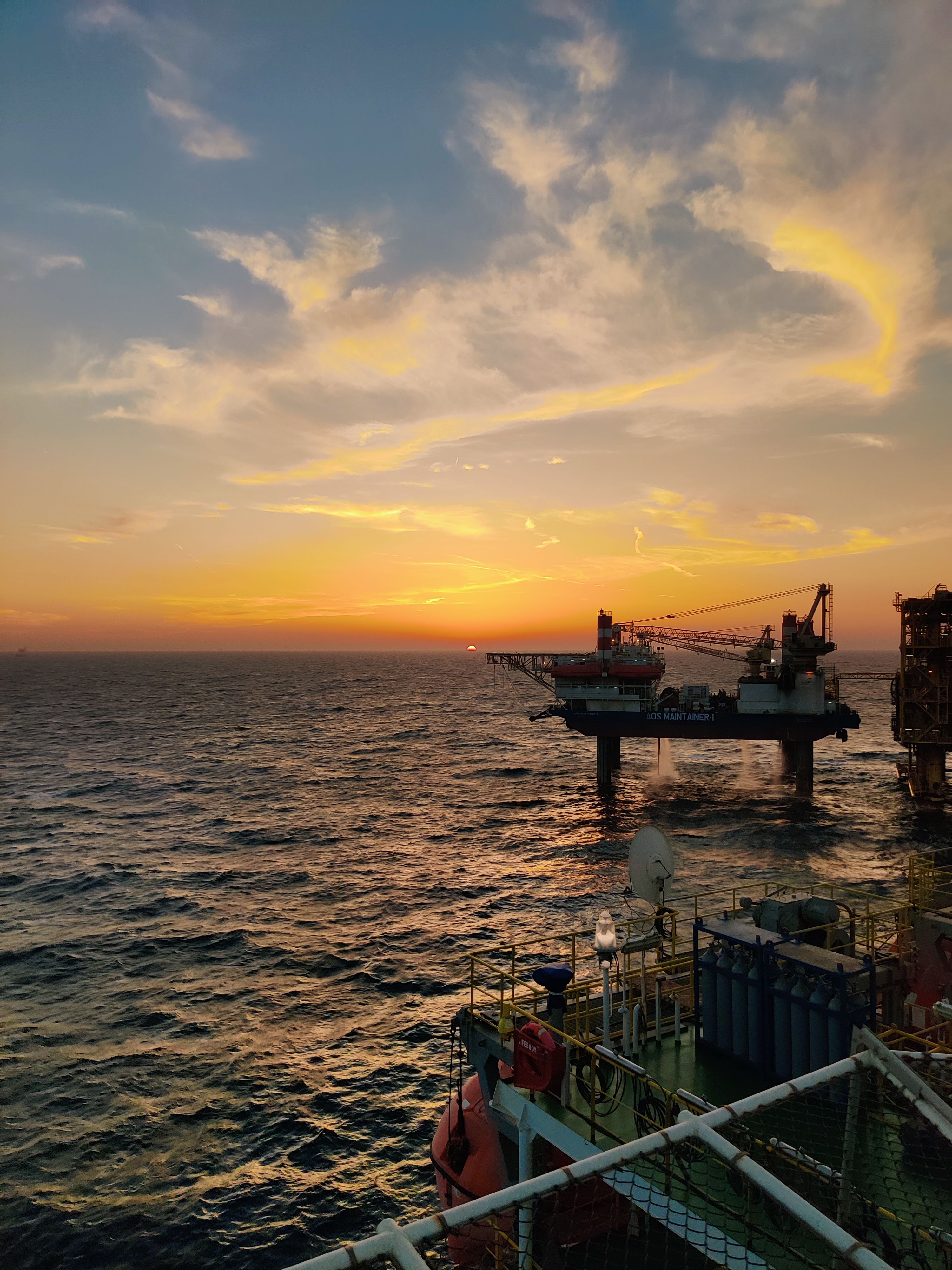
The immediate trigger is clear enough. Iranian forces have been boarding and seizing vessels. Missile and drone strikes have already damaged ships transiting the strait and waters off Oman, with fatalities reported. Insurers including Gard, NorthStandard, Steamship Mutual, and the London P&I Club have decided the exposure is no longer commercially viable.
Trump's response came swiftly. The US President ordered the Development Finance Corporation to step in where private insurers won't, offering government-backed coverage at what he described as 'a very reasonable price'. He's also threatened to deploy naval escorts through the Strait of Hormuz if necessary, a dramatic escalation that shifts risk from private balance sheets to federal government books.
Enjoying this article?
Get stories like this in your inbox every week.
When markets refuse to price risk
What's instructive here is not that insurers are raising premiums but that many are withdrawing coverage entirely. Insurance exists to price risk, distributing it across pools of premiums and capital reserves. When insurers conclude they cannot adequately price a risk, or that no premium would be sufficient to justify the exposure, that's a market signal worth heeding.
When insurers conclude no premium would be sufficient to justify the exposure, that's a market signal worth heeding.
The stakes extend well beyond maritime insurance premiums. Previous disruptions to Strait of Hormuz traffic have triggered sharp energy price spikes with cascading effects on inflation, interest rates, and central bank policy across advanced economies. Dylan Mortimer, marine hull UK war leader at Marsh, estimated rate increases between 25 and 50 per cent for any remaining private coverage, assuming no direct attacks on merchant shipping occur. That qualification matters.

Trump's solution shifts risk from private balance sheets to the federal government's. The Development Finance Corporation, typically focused on development projects in emerging markets, will now underwrite political risk insurance for vessels transiting one of the world's most volatile waterways. The President's claim of 'very reasonable price' invites scrutiny about whether these premiums will reflect actual risk or represent a de facto subsidy, with American taxpayers absorbing losses that professional insurers refuse to carry.
The precedent problem
The immediate challenge is keeping energy supplies moving. The strategic question is what happens next. If the US government becomes the maritime war insurer for the Persian Gulf because private markets have withdrawn, other nations will take note. China could demand similar arrangements for Taiwan Strait shipping. European governments might face pressure to backstop Black Sea routes.
This represents a fundamental shift in how geopolitical risk gets distributed. For decades, Lloyd's and the London insurance market have absorbed war risks that governments preferred to offload. Insurers charged premiums, paid claims, and occasionally took significant losses. The system worked because risks, whilst substantial, remained within bounds that actuaries could model and capital could support. That equilibrium has now fractured.
Any flashpoint where commercial insurers deem risk unquantifiable becomes a candidate for state intervention.
Naval escorts reduce risk but cannot eliminate it. Convoys slow transit times and require significant military resources to maintain continuously. More critically, they transform commercial shipping into a quasi-military operation, potentially escalating tensions rather than dampening them. Iranian forces may view escorted vessels differently than purely commercial traffic.
Trump's guarantee to 'ensure the FREE FLOW of ENERGY' sounds definitive, but the operational reality involves trade-offs between security, speed, cost, and diplomatic friction that resist simple solutions.
Taxpayers as underwriters

Private insurers make cold calculations about exposure limits, portfolio diversification, and capital adequacy. Governments operate under different constraints, mixing economic, strategic, and political considerations that can justify accepting risks purely profit-driven entities would decline. Whether that makes governments better or worse positioned to underwrite war risk depends largely on your view of who should bear losses when things go wrong.
The UK government will watch this closely. British insurers dominate global maritime coverage, and London's position as the centre of war risk insurance represents genuine competitive advantage. If US federal backing undercuts private market pricing, it distorts competition. If it works, it establishes a model other nations will replicate.
Energy traders are already pricing in disruption risk. Shipping companies face decisions about whether federal insurance adequately replaces commercial coverage, particularly regarding claims handling and disputes. Asset managers holding energy infrastructure need to reassess exposure to supply chain vulnerabilities that private insurers consider unmanageable.
The shift from private risk pricing to government guarantees rarely reverses quickly. Once taxpayers become insurers of last resort, unwinding that commitment requires either genuine de-escalation or political willingness to accept supply disruptions. Neither looks imminent in the Persian Gulf. What began as a commercial insurance decision by Lloyd's has become a test case for whether governments can replace markets in quantifying and carrying risks that transcend traditional actuarial frameworks.
- When private insurers withdraw entirely rather than simply raise premiums, it signals risk has moved beyond what markets can sustainably price—creating precedent for government intervention in other geopolitical flashpoints
- US taxpayers now shoulder losses that professional risk assessors deemed unacceptable, raising questions about whether federal premiums reflect actual risk or represent hidden energy subsidies
- Watch whether this model spreads to other contested waters and how quickly energy price volatility translates into broader inflation pressures that force central bank responses

Co-Founder
Multi-award winning serial entrepreneur and founder/CEO of Venntro Media Group, the company behind White Label Dating. Founded his first agency while at university in 1997. Awards include Ernst & Young Entrepreneur of the Year (2013) and IoD Young Director of the Year (2014). Co-founder of Business Fortitude.
Comments
💬 What are your thoughts on this story? Join the conversation below.
to join the conversation.