Section 301 Probes: A Legal Pivot That Keeps Trade Uncertainty Alive
- 19 major trading partners face Section 301 investigations covering roughly 60% of US goods imports
- Trade Representative Jamieson Greer aims to conclude probes before temporary levies expire in July
- Canada, America's second-largest trading partner, notably absent from investigation list
- Investigations launched three weeks after Supreme Court struck down Trump's April tariffs as unlawful
A Supreme Court defeat would halt most administrations' trade agendas for months. The Trump White House waited three weeks. Trade Representative Jamieson Greer announced on Wednesday a sweeping investigation into 19 major trading partners under Section 301 of the Trade Act of 1974, targeting countries responsible for roughly 60% of US goods imports and setting the stage for a potential tariff regime by summer.
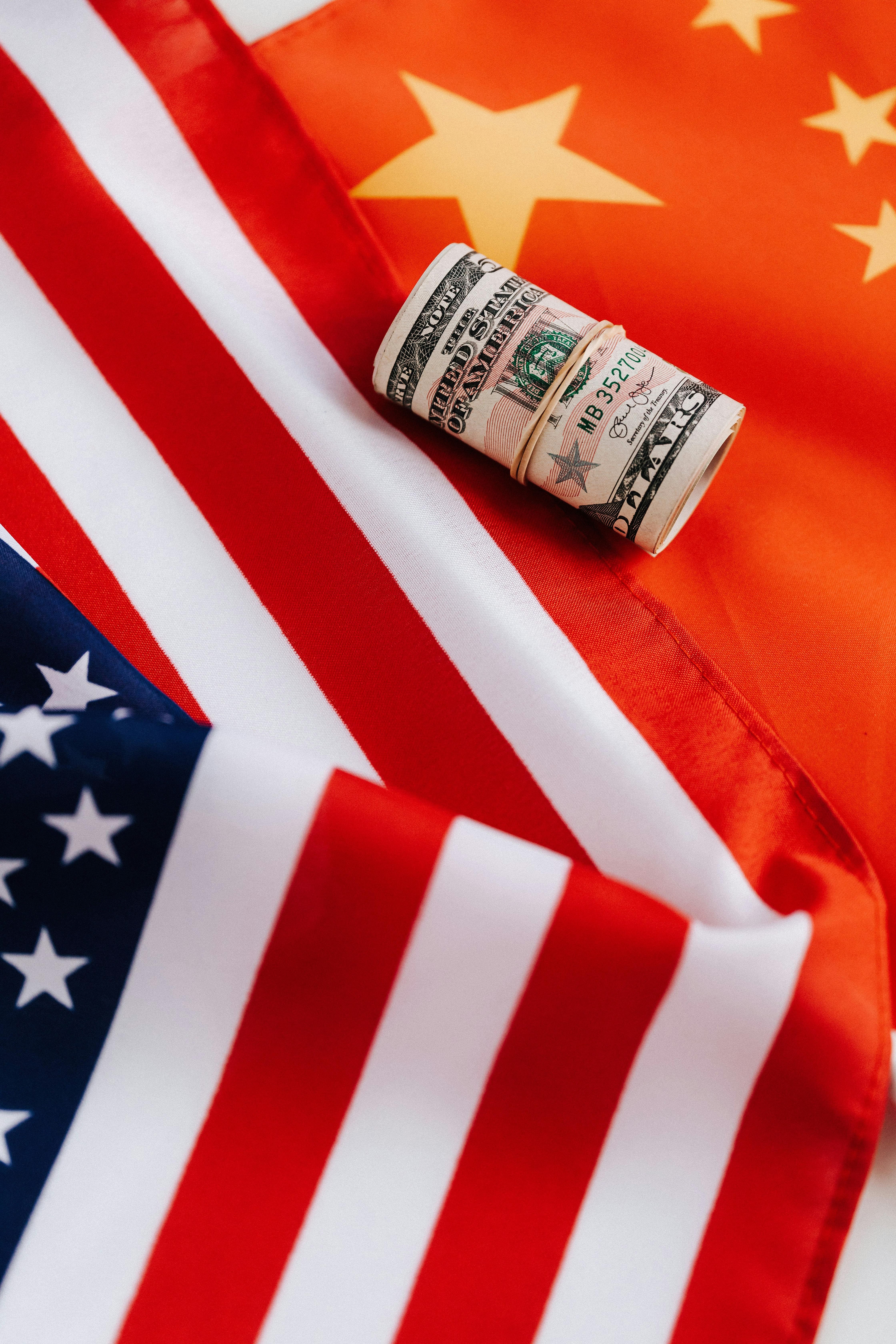
The timing is hardly subtle. With talks scheduled between senior US and Chinese officials in Paris this weekend, and Trump planning a Beijing visit by late March, these investigations function as much as negotiating ammunition as legal process. Section 301 probes can be quietly narrowed, paused or dropped entirely in exchange for concessions at the bargaining table.
What's more revealing is who made the list and who didn't. China, the European Union, India, Japan, South Korea, Mexico, Vietnam, Thailand, Malaysia, Cambodia, Singapore, Indonesia, Bangladesh, Switzerland and Norway are all under scrutiny. Canada, America's second-largest trading partner, received no mention. That absence points to strategic calculations around USMCA obligations or suggests ongoing bilateral discussions have bought Ottawa breathing room for the moment.
Enjoying this article?
Get stories like this in your inbox every week.
The legal workaround
After the Supreme Court struck down Trump's April tariffs as unlawful, the administration needed a different legal vehicle. Enter Section 301, a trade law older than most of the ministers it now targets. Unlike the previous approach, which relied on broad national security justifications the Court rejected, Section 301 requires investigators to identify specific unfair practices: subsidies that distort markets, intellectual property theft, discriminatory barriers to market access.
This procedural difference matters. The investigations typically take months and demand evidence rather than executive assertion. Greer stated his hope to conclude them before temporary levies imposed in late February expire in July, but that timeline depends on how rigorously the administration applies its own investigative standards.
According to Greer's announcement, the probe targets countries 'exporting their problems with excess capacity and production' to the United States.
That framing, particularly regarding China's industrial overcapacity, reflects contested political rhetoric rather than established fact. Whether investigators find actionable violations under trade law remains the point of the investigation itself.
Strategic selectivity in action
The country selection reveals calculation beyond simple trade volumes. Vietnam, Thailand, Malaysia and Cambodia all appear on the list, reflecting longstanding concerns about supply chain rerouting to circumvent China-specific restrictions. Bangladesh's inclusion suggests textile and apparel imports face scrutiny. Switzerland and Norway stand out as unusual targets given their relatively modest trade footprints and lack of obvious unfair practice allegations.
What the administration describes as countries having 'engaged in unfair trade practices' is precisely what these investigations are meant to determine. Framing alleged behaviour as confirmed fact ahead of evidence collection undermines the procedural legitimacy Section 301 is supposed to provide. The distinction between 'investigating potential violations' and 'punishing confirmed violations' isn't semantic hair-splitting. It's the difference between a rules-based process and executive fiat with extra paperwork.
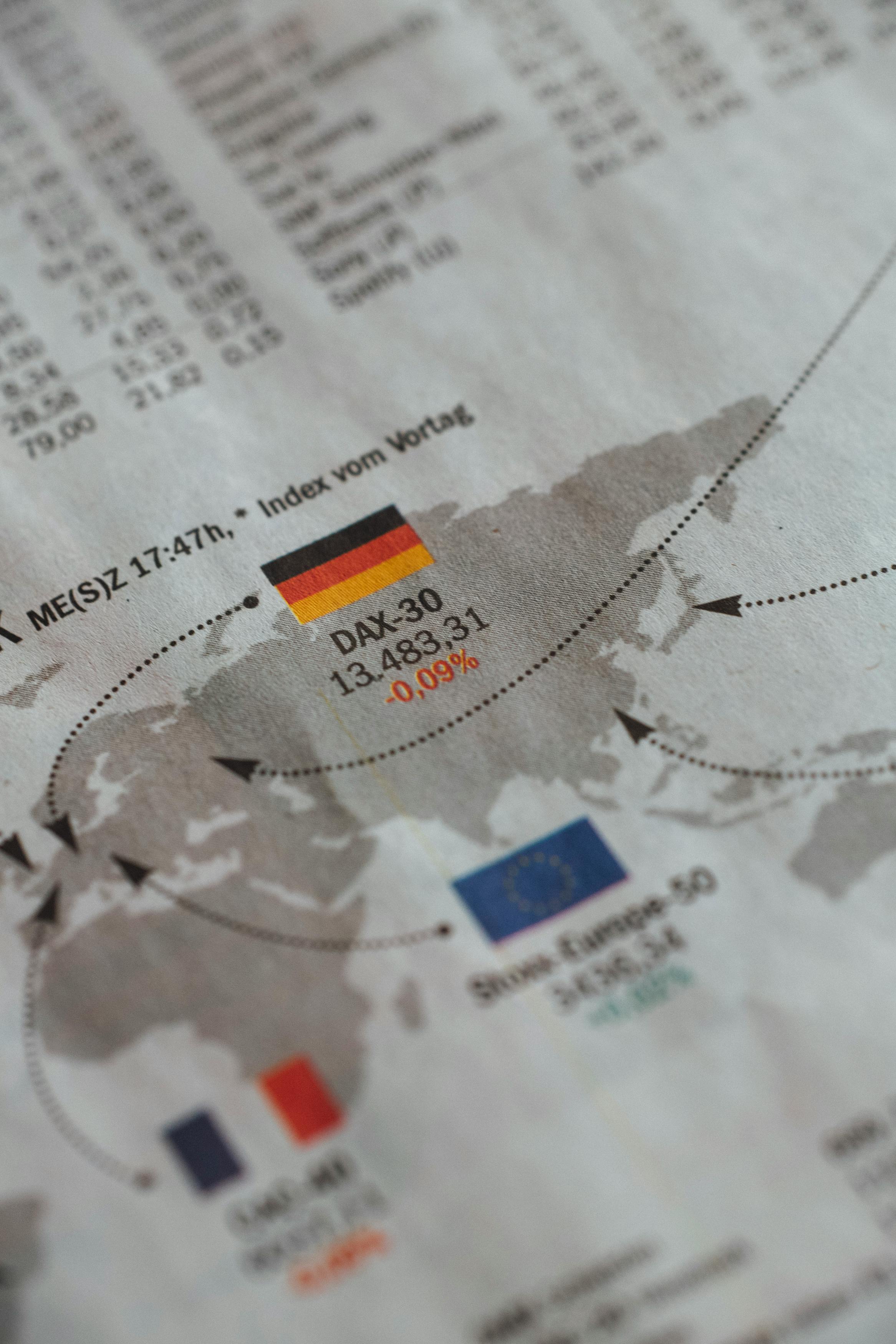
For businesses importing from these 19 countries, the immediate impact is renewed uncertainty. Supply chain decisions that seemed settled after the Supreme Court ruling are back in flux. Companies that diversified away from China to Vietnam or Thailand might discover they've simply moved between target zones rather than to safe harbour.
The enforcement question
This approach tests whether US trade policy can maintain credibility through constant procedural pivots. The Supreme Court rejected one legal justification, so the administration reached for another statute with different requirements. If Section 301 faces judicial challenges, does the playbook simply move to the next available law?
Trading partners watching this sequence must calculate whether negotiating in good faith produces stable outcomes or merely delays the next enforcement mechanism.
That question matters beyond American politics. The European Union, already managing difficult negotiations around various bilateral irritants, faces renewed pressure. India and Japan, both positioned as strategic partners in Indo-Pacific policy, find themselves on the same investigation list as countries facing much cooler diplomatic relations.
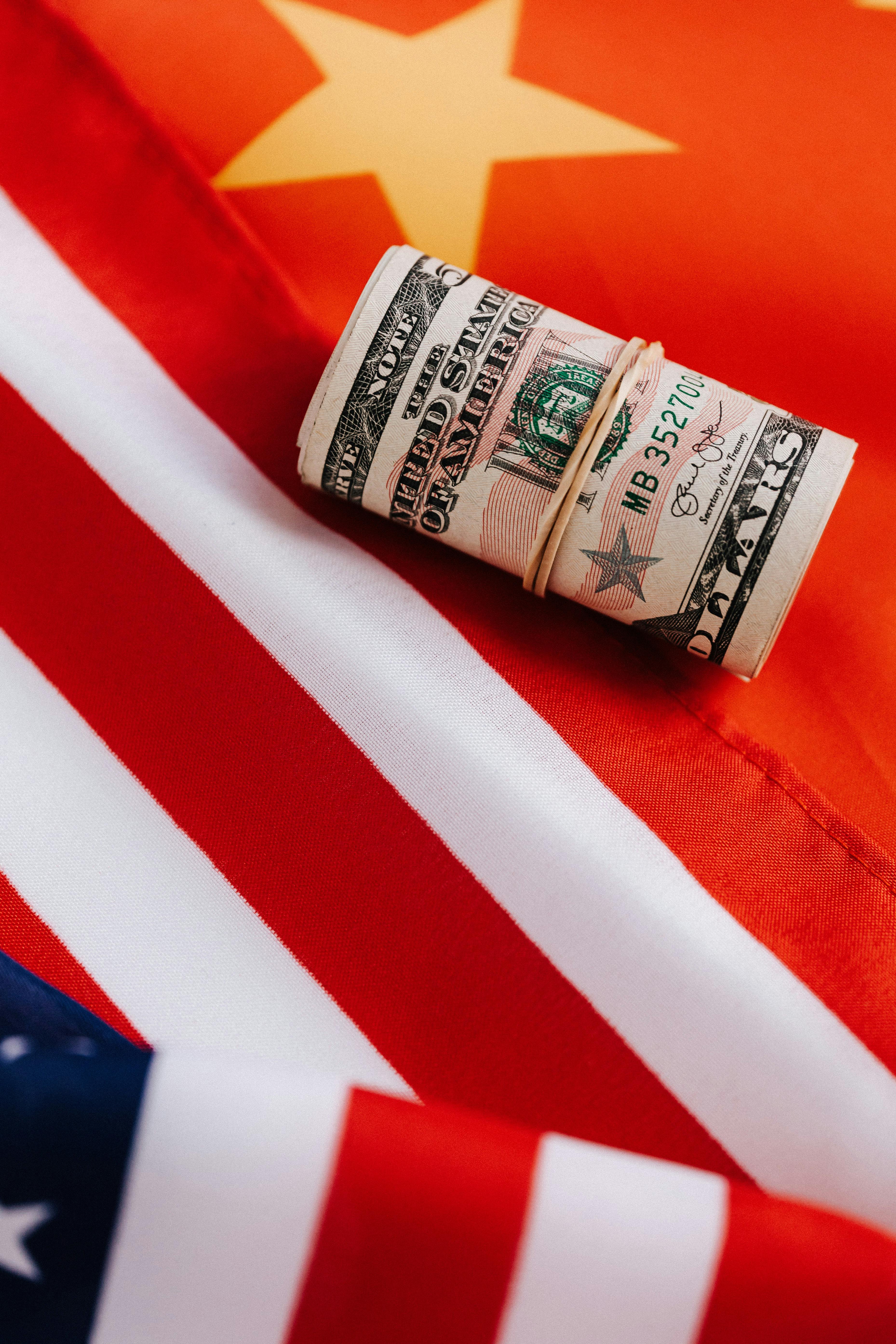
The Paris talks this weekend between American and Chinese officials will offer early signals about whether these investigations represent genuine legal process or theatrical prelude to negotiated settlements. If patterns from previous trade confrontations hold, smaller countries without Beijing's negotiating leverage will face the full investigative treatment whilst major powers work out accommodations behind closed doors.
For markets, the message is clear: tariff uncertainty isn't ending, it's simply shifting legal foundations. Companies building medium-term supply chain strategies should probably add 'monitoring arcane trade statutes' to their risk management protocols. The Section 301 process might conclude by summer as Greer hopes, or it might stretch beyond that timeline if investigations proceed with proper rigour. Either way, the notion that Supreme Court rulings would constrain this administration's trade agenda has been thoroughly tested and found wanting.
- Section 301 investigations function as negotiating leverage ahead of crucial Paris talks and Trump's planned Beijing visit, with smaller nations likely facing harsher treatment than major powers
- Supply chain diversification away from China offers no guarantee of safety as alternative manufacturing hubs in Southeast Asia now face identical scrutiny
- The administration's rapid pivot to different legal mechanisms after Supreme Court rejection signals persistent tariff uncertainty regardless of judicial constraints

Co-Founder
Multi-award winning serial entrepreneur and founder/CEO of Venntro Media Group, the company behind White Label Dating. Founded his first agency while at university in 1997. Awards include Ernst & Young Entrepreneur of the Year (2013) and IoD Young Director of the Year (2014). Co-founder of Business Fortitude.
Comments
💬 What are your thoughts on this story? Join the conversation below.
to join the conversation.