US Tariff Hike Exposes Fragility in UK's Post-Brexit Trade Deals
- US universal baseline tariff will increase from 10% to 15% within days—a 50% jump in costs for British exporters
- British businesses face a potential £2bn economic hit according to the British Chambers of Commerce
- Supreme Court invalidated country-specific tariff structure, forcing uniform rates across all trading partners
- Treasury Secretary Scott Bessent believes rates could fall back by August, but offers no guarantees or mechanisms
The trade deal signed with fanfare between Britain and the United States last year looks increasingly like it was written on water. Scott Bessent, America's Treasury Secretary, confirmed on Wednesday that Washington's universal baseline tariff will climb from 10% to 15% within days—a 50% increase in costs for British exporters who were explicitly assured the lower rate would hold. The development cuts to the heart of post-Brexit Britain's bilateral trade strategy.
If negotiated terms can be swept aside by domestic US court rulings, what exactly is the point of these agreements? British businesses now face a potential £2bn economic hit, according to the British Chambers of Commerce, despite government assurances that the 10% rate agreed in 2024 would remain locked in.
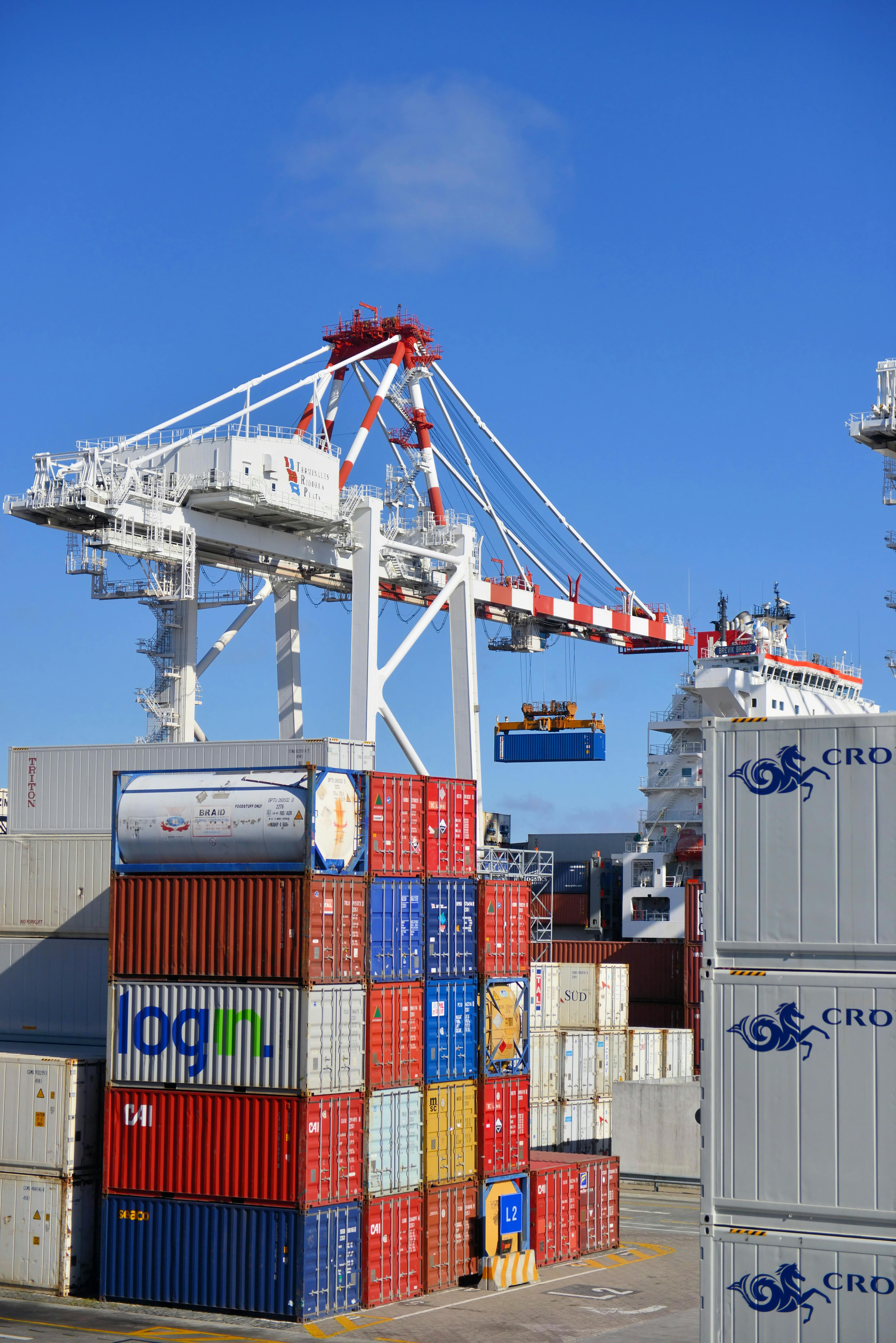
When Supreme Court trumps trade deals
The tariff jump stems from a Supreme Court ruling that invalidated the administration's country-specific tariff structure. The court found that the President hadn't secured Congressional approval for the differentiated rates regime, forcing a return to a uniform tariff across all trading partners. It's a peculiarly American situation: foreign governments negotiate in good faith with the executive branch, only to discover that domestic legal architecture can render those negotiations worthless.
Enjoying this article?
Get stories like this in your inbox every week.
Bessent's interview with CNBC offered a crumb of comfort for those facing higher costs. He expressed his "strong belief" that tariff rates would fall back to previous levels within five months, by August. But notice the language—this is his personal belief, not a commitment.
No mechanism was outlined. No timeline was guaranteed.
What's particularly striking is that the Treasury Secretary framed this regulatory chaos as somehow more robust. The new uniform tariff structure has "survived more than 4,000 legal challenges," he noted, describing the approach as "slower moving, but more robust." British exporters paying 50% more to access the US market may not find much solace in that distinction.
The bilateral illusion
This episode serves as a stress test for Britain's trade architecture. The UK government has spent years negotiating bilateral agreements as the cornerstone of its post-Brexit economic strategy. Officials claimed these deals would deliver flexibility and tailored access that EU membership couldn't match.
The UK expected "extra perks" for carmakers and aerospace firms to remain in place, alongside the 10% baseline rate. Those expectations appear to have been based on discussions with the executive branch—discussions that clearly didn't account for the possibility of judicial intervention. The EU found itself in an identical position, having received assurances it would stay at the 10% rate.

When trading with a system where courts can override negotiated agreements without warning, the value of those negotiations diminishes sharply.
British businesses need certainty to plan investments, supply chains, and pricing. What they're getting instead is a reminder that US domestic politics and jurisprudence can overturn international commitments at any moment.
Trade diversion and inflation arithmetic
The tariff confusion arrives at a delicate economic moment. Bank of England member Alan Taylor has noted that trade diversion from China—as firms reroute goods to avoid US tariffs—has actually been lowering UK inflation. British consumers have benefited from suppliers seeking alternative routes to market, pushing down prices.
A higher universal tariff at 15% could accelerate or fundamentally alter these trade flows. If the US market becomes more expensive across the board, manufacturers may shift more production or routing through the UK and EU. That could continue to suppress inflation.
Alternatively, if the higher rate dampens global demand sufficiently, British exporters could find themselves with fewer orders and tighter margins, regardless of where goods are routed. Markets took Bessent's comments in stride. The S&P 500 and Nasdaq 100 dipped slightly, whilst the FTSE 100 and Euro Stoxx 50 continued their recovery from falls triggered by Middle East tensions.
Kathleen Brooks, market analyst at XTB, suggested the tariff news was "having a minimal impact for now, but worth watching." That measured response likely reflects trader fatigue with tariff announcements more than confidence in the policy's stability.
The situation leaves British businesses in an impossible planning position. Do they absorb the higher costs and sacrifice margins? Pass them to American customers and risk losing orders? Or restructure supply chains based on a Treasury Secretary's hunch that rates will fall again by summer?
Each option carries substantial risk, and none offers the certainty that last year's trade deal was supposed to deliver. If Bessent's prediction proves accurate and rates do fall back by August, British exporters will have weathered a costly few months for nothing. If it doesn't, they'll be facing permanently higher barriers to their second-largest export market.
Either way, the episode has clarified something important about post-Brexit trade strategy: bilateral deals with Washington are only as durable as the next court ruling.
- Bilateral trade agreements with the US offer limited protection when domestic courts can override executive commitments without warning—Britain's post-Brexit strategy requires fundamental reassessment
- British exporters face immediate decisions on absorbing costs, repricing, or restructuring supply chains based on uncertain timelines and personal beliefs rather than guaranteed policy
- Watch whether the tariff increase accelerates trade diversion through the UK, potentially lowering inflation, or dampens global demand sufficiently to hurt British exporters regardless of routing strategies

Co-Founder
Multi-award winning serial entrepreneur and founder/CEO of Venntro Media Group, the company behind White Label Dating. Founded his first agency while at university in 1997. Awards include Ernst & Young Entrepreneur of the Year (2013) and IoD Young Director of the Year (2014). Co-founder of Business Fortitude.
Comments
💬 What are your thoughts on this story? Join the conversation below.
to join the conversation.