Welsh Water's £44.7m Penalty: Customers Pay Twice for Past Failures
- Welsh Water faces £44.7m enforcement package for failures in wastewater network maintenance and excessive sewage spills
- Customers already facing 42% bill increase by 2030, which will now fund infrastructure improvements that should have been completed years ago
- This is the seventh case in Ofwat's sector-wide investigation, bringing total enforcement actions across the water industry to more than £300m
- Welsh Water operates as a not-for-profit entity with no shareholders, contradicting claims that alternative ownership models deliver superior outcomes
Welsh Water's £44.7m penalty package arrives with timing so awkward it borders on the absurd. The water company's customers are already bracing for a 42 per cent bill increase by 2030, only to discover those higher payments will fund infrastructure improvements that should have been made years ago. The regulator's enforcement action exposes what the company failed to do, whilst the bill hike funds what it now must do.
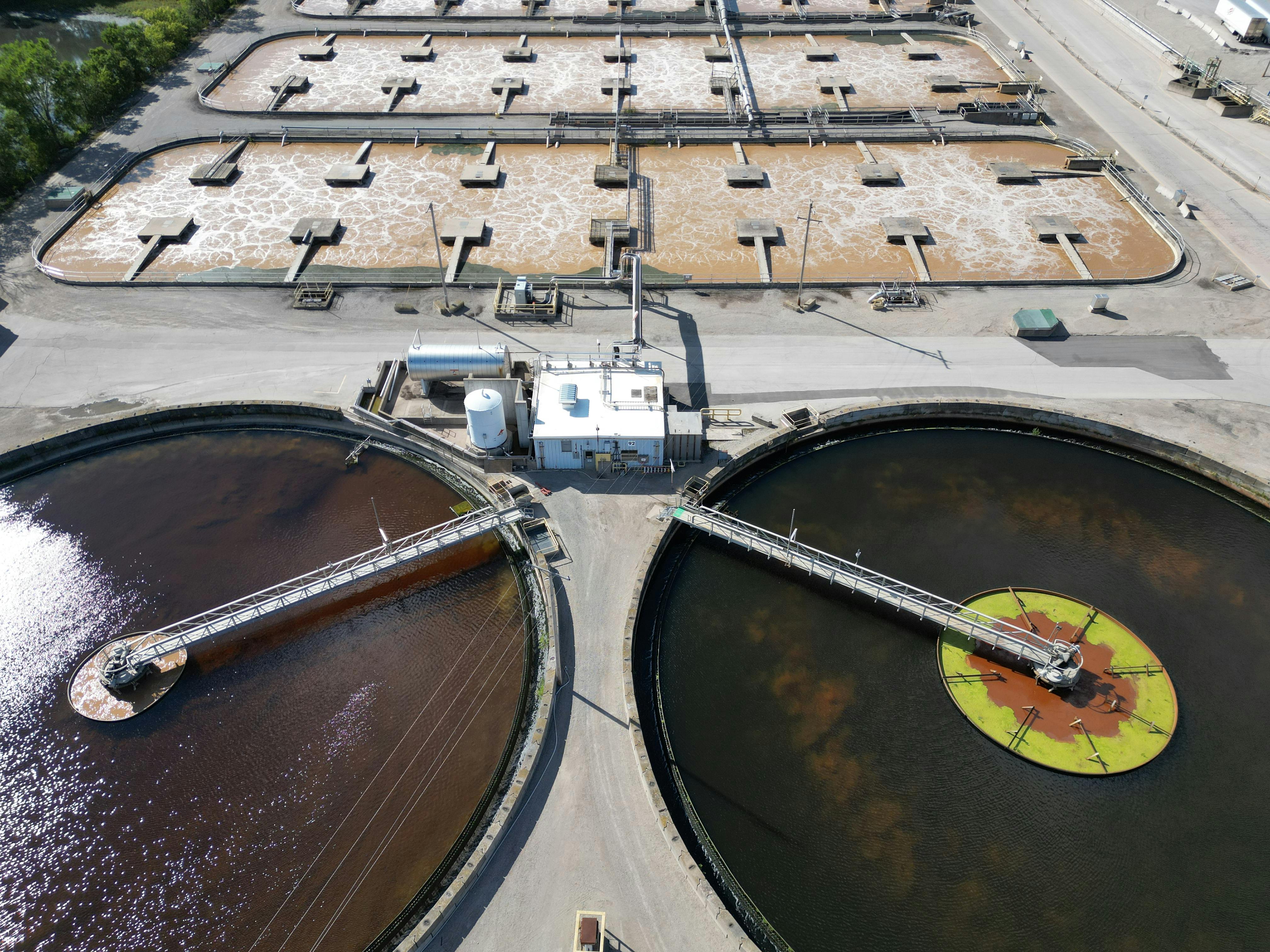
Ofwat's investigation found that Welsh Water failed to adequately operate, maintain, and upgrade its wastewater network, resulting in excessive sewage spills from storm overflows. The £44.7m enforcement package includes £40.6m directed towards reducing spills at specific overflows, mitigating environmental damage, and addressing groundwater infiltration into the sewer network. Another £4.1m targets river quality improvements in what Ofwat describes as 'extremely sensitive catchments'.
Lynn Parker, Ofwat's senior director for enforcement, called the breaches 'serious and unacceptable', noting deficiencies in processes and senior oversight. The regulator expects the company to 'focus on putting things right so that customers can regain trust'. Whether customers will view their escalating bills as a restoration of trust is another matter entirely.
Enjoying this article?
Get stories like this in your inbox every week.
The seventh domino falls
This marks the seventh case in Ofwat's sector-wide sewage investigation, bringing total enforcement actions across the industry to more than £300m. What started as scrutiny of individual operators increasingly resembles evidence of systemic dysfunction. Thames Water, South East Water, and others have faced similar reckonings.
When penalties exceed £300m and still climbing, the question shifts from 'which companies failed?' to 'why did the entire sector?'
Earlier this month, Ofwat proposed a £22m fine for South East Water over supply failures affecting more than 286,000 people between 2020 and 2023. The accumulating enforcement actions paint a picture of widespread operational failure rather than isolated incidents of poor management.
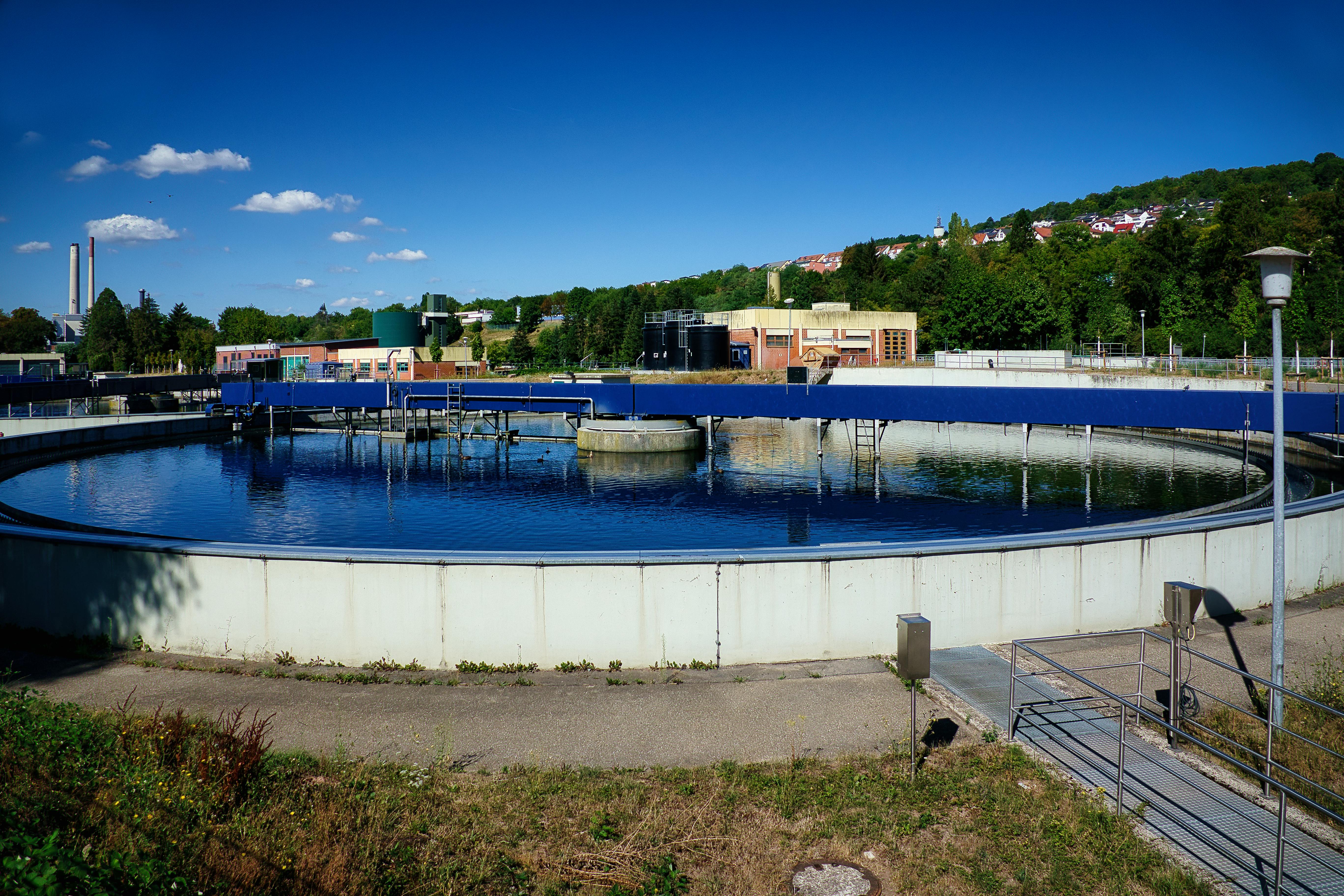
What makes Welsh Water's case particularly instructive is its ownership structure. Operating as a not-for-profit entity with no shareholders, the company has long been held up as proof that alternative ownership models deliver better outcomes than investor-owned utilities. The failures Ofwat documented occurred despite this supposedly superior structure.
Fine or investment? The distinction matters
Ofwat has been careful to frame the £44.7m as an 'enforcement package' rather than a straightforward fine, emphasising that it exceeds the £40m penalty the regulator would otherwise have imposed. The money, according to this framing, represents additional investment rather than pure punishment. The distinction deserves scrutiny.
For Welsh Water's finances, does it matter whether the expenditure is labelled penalty or investment? The company must find £44.7m either way. More importantly, customers watching their bills climb 42 per cent over five years might reasonably ask whether this represents genuinely additional spending or simply redirected investment that should have happened regardless.
Welsh Water's response acknowledged the findings and apologised for falling short of expected standards. The company pointed to a 'major transformation programme' across wastewater services, focused on improving performance, strengthening operational oversight, and accelerating investment. The timeline and concrete commitments attached to this transformation remain less clear.
Customers approved for substantial bill increases are now learning those increases will fund work the company acknowledges it should have completed already.
The incentive problem
The structural flaw in this enforcement approach becomes obvious when examined from the customer's perspective. When a water company fails to maintain its network adequately, the penalty for that failure gets paid through higher bills to remedy the neglect. The company faces reputational damage and regulatory scrutiny, certainly, but the financial burden ultimately falls on the households and businesses it serves.

For a not-for-profit like Welsh Water, without shareholders to absorb losses or reduce returns, this dynamic is particularly pronounced. Every pound spent on enforcement-mandated improvements is a pound that must come from customer bills or reduced spending elsewhere in the business. The regulatory model assumes these trade-offs will discipline management.
Welsh Water customers will see their average bills rise from current levels to fund a network that should already be fit for purpose. They will pay for improvements that address failures Ofwat found 'unacceptable'. And they will fund river quality work in catchments that should never have been damaged by excessive sewage spills in the first place.
The sector-wide investigation continues, with more enforcement actions likely as Ofwat examines other operators. Each case adds to the total, each penalty confirms another failure, and each bill increase asks customers to fund solutions to problems that proper management should have prevented. The pattern is established.
- The regulatory enforcement model creates a perverse incentive where customers ultimately pay for utility failures through higher bills, regardless of whether companies are shareholder-owned or not-for-profit structures
- Sector-wide patterns suggest systemic dysfunction across the water industry rather than isolated management failures, indicating deeper structural problems in how utilities are regulated and held accountable
- Watch for additional enforcement actions as Ofwat's investigation continues—the £300m total will likely climb, with each case further demonstrating that current regulatory frameworks fail to prevent underinvestment in critical infrastructure

Co-Founder
Multi-award winning serial entrepreneur and founder/CEO of Venntro Media Group, the company behind White Label Dating. Founded his first agency while at university in 1997. Awards include Ernst & Young Entrepreneur of the Year (2013) and IoD Young Director of the Year (2014). Co-founder of Business Fortitude.
Comments
💬 What are your thoughts on this story? Join the conversation below.
to join the conversation.