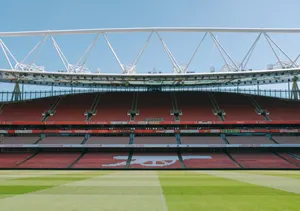
FIFA's $12B World Cup Gamble: Geopolitics Could Derail Plans
- FIFA projects $12 billion in revenue from the 2026 World Cup, the first with an expanded 48-team format
- Iran's Football Federation has signalled the country might withdraw due to regional conflict and domestic turmoil
- Iraq has requested postponement of World Cup play-off fixtures as Iraqi airspace remains closed
- The expanded tournament structure features 50% more teams than previous World Cups, increasing both revenue potential and organisational fragility
FIFA is pressing ahead with plans for a $12 billion World Cup this summer, even as war in the Middle East threatens to keep Iran out of the tournament and has already disrupted qualifying fixtures. The governing body's chief operating officer has dismissed concerns about the escalating conflict, insisting the competition is simply "too big" to be derailed by geopolitical turmoil. Heimo Schirgi's confidence reflects a calculated wager that commercial imperatives and the sheer momentum of an expanded 48-team format will override the messy realities of international conflict.
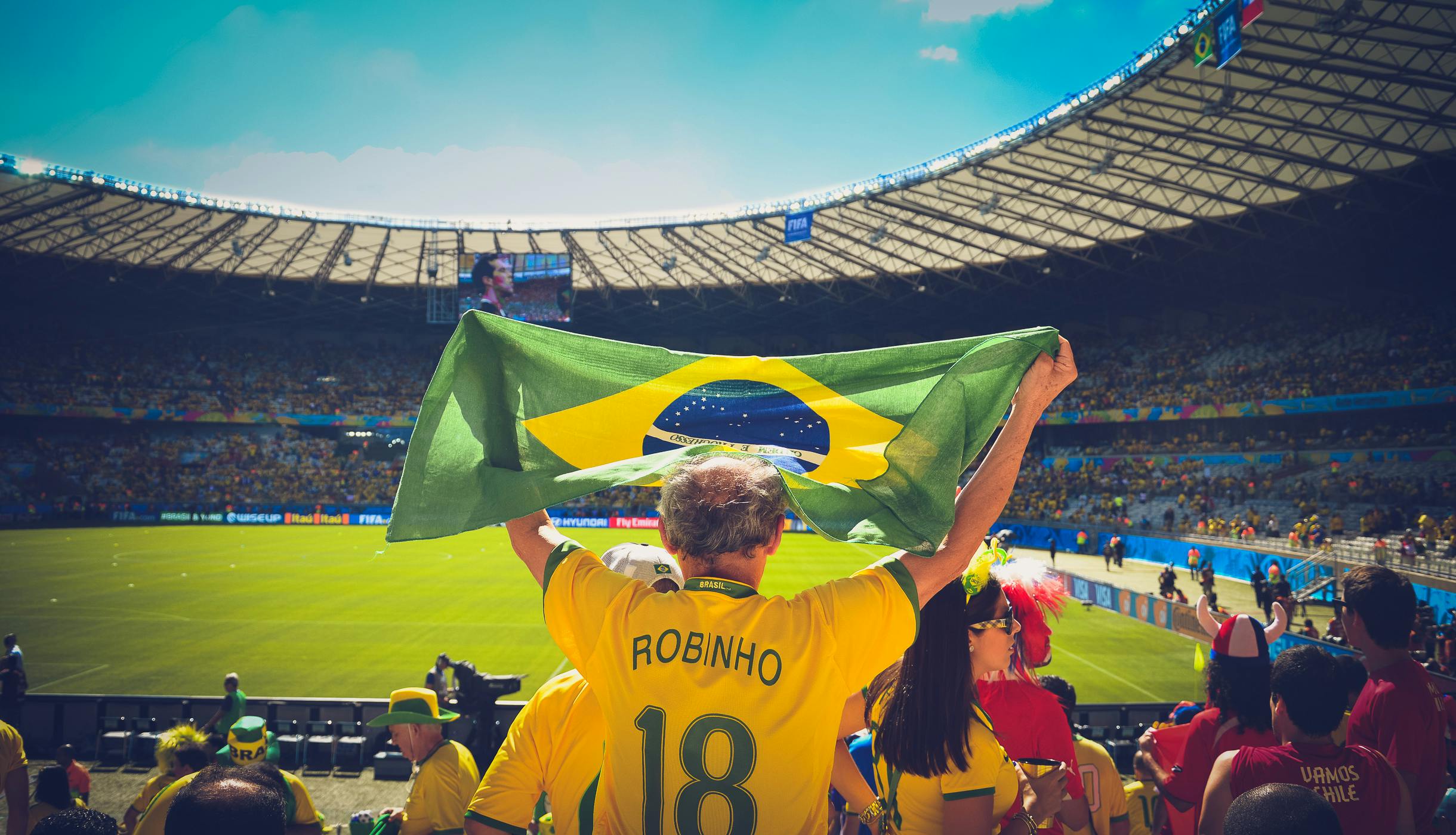
The timing could hardly be worse. This is the first World Cup under FIFA's expanded format, with the tournament's financial model predicated on 50 per cent more teams, more matches, and more broadcast slots. FIFA has projected $12 billion in revenue from the event, which will be hosted primarily in the United States alongside Canada and Mexico. That figure depends entirely on the competition proceeding as planned.
When sporting calendars collide with warfare
Iran's Football Federation chief signalled last week that the country might not participate, citing what he termed domestic turmoil amid ongoing military exchanges in the region. The complications extend beyond simple logistics. Iran would be required to play matches in the US at a time when American forces remain engaged in regional military operations, creating a diplomatic powder keg disguised as a football fixture.
Enjoying this article?
Get stories like this in your inbox every week.
Withdrawing unilaterally would expose Iran to fines and potential exclusion from future tournaments under FIFA regulations. Yet participating presents its own risks, both symbolic and practical. The situation reveals an uncomfortable truth about modern mega-events: they operate on multi-year planning cycles that assume geopolitical stability, an assumption that looks increasingly naïve.
These aren't theoretical concerns about team travel or political sensitivities. A qualifying nation cannot physically access the matches it needs to play.
The conflict has already moved beyond hypothetical disruption. Iraq is scheduled to play either Bolivia or Suriname in a World Cup play-off fixture in Mexico later this month but has requested a postponement because Iraqi airspace is expected to remain closed.
FIFA's contingency calculations
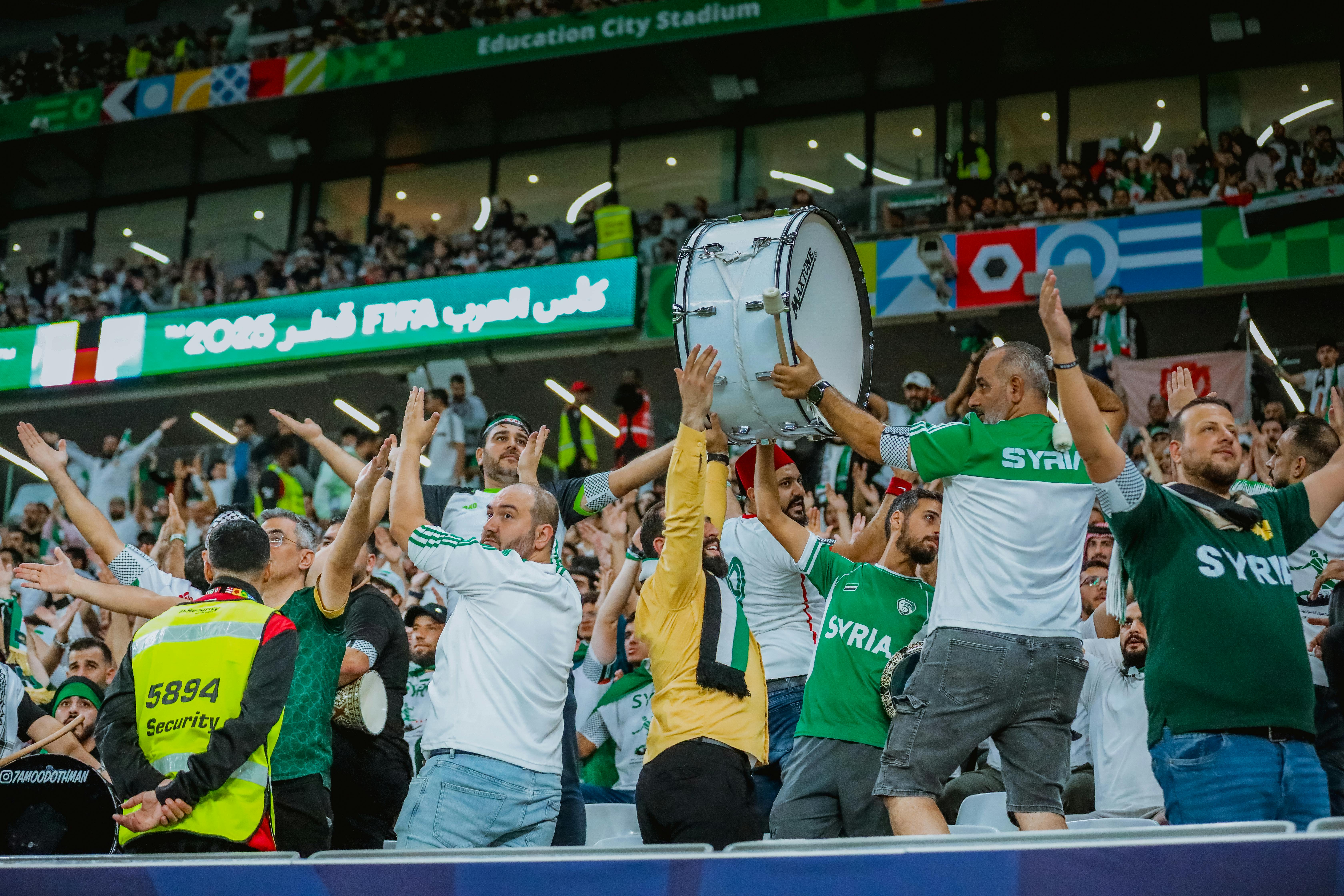
Should Iran formally withdraw, Iraq would reportedly be among the leading candidates to replace them as the next highest-ranked team from Asian qualifying. The irony is stark: one nation's inability to participate due to regional warfare would be resolved by promoting another nation equally affected by the same conflict.
What's interesting here is the absence of any apparent FIFA contingency planning that accounts for the root cause rather than just shuffling the affected parties. The governing body appears to be treating this as a scheduling problem rather than a strategic crisis that could fundamentally undermine the tournament's legitimacy.
Schirgi's public position that "at some stage, we will have a resolution, and the World Cup will go on, obviously" reveals the underlying calculation. FIFA has spent years expanding the tournament format and negotiating broadcast deals based on specific participant numbers and match schedules. The financial architecture cannot easily accommodate wholesale format changes three months before kick-off.
A 32-team tournament might absorb one nation's withdrawal with minimal disruption; a 48-team competition built on tighter commercial margins has less room for improvisation.
The 48-team structure has already increased the tournament's complexity exponentially. More teams means more qualifying slots, more host venues, more broadcast windows, and more commercial commitments. That expansion has delivered projected revenue growth, but it has also created fragility.
Beyond Iran and Iraq
This isn't the only cloud over the tournament. The Trump administration's immigration policies have raised questions about visa processing for certain nationalities, whilst cartel-related violence in Mexico has prompted security concerns about matches scheduled there. FIFA is simultaneously managing multiple geopolitical pressure points, any one of which could destabilise carefully laid plans.
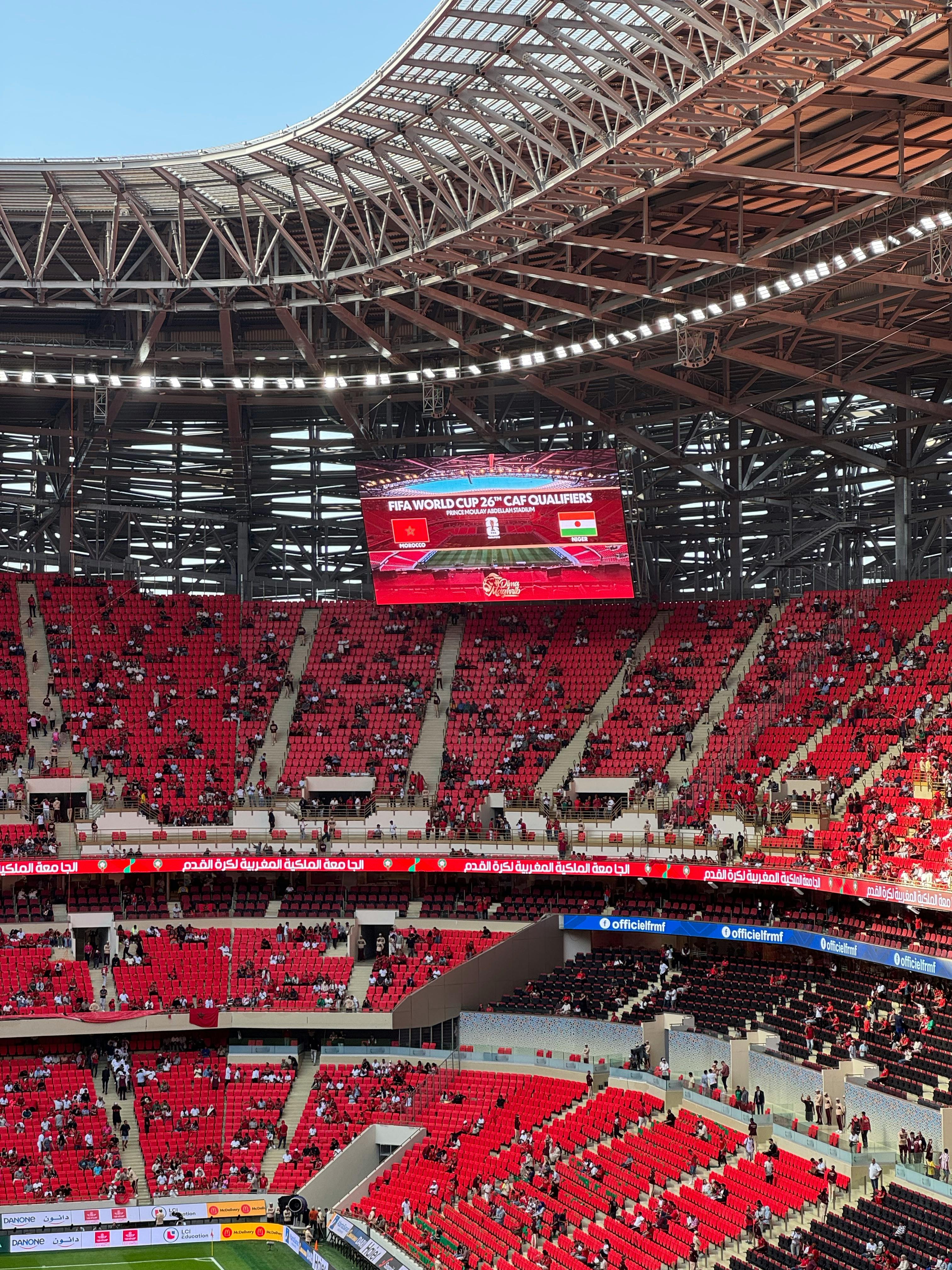
The broader question is whether football's governing bodies have outrun their ability to manage risk. The pursuit of expansion and revenue growth has created tournaments that touch more geopolitical flashpoints whilst remaining structurally inflexible. FIFA's bet is that nations will ultimately prioritise participation over principle, and that conflicts will conveniently pause or resolve themselves around the sporting calendar.
That assumption will be tested over the coming weeks as Iran decides whether to participate and as qualifying fixtures face ongoing disruption. FIFA's insistence that the tournament will proceed regardless suggests confidence that might also be stubbornness. The difference between the two will become clear if conflict intensifies rather than resolves, and if more nations find themselves choosing between sporting participation and impossible political circumstances. The commercial success of the expanded World Cup format depends on 48 teams showing up to play. Whether geopolitics will cooperate with that timetable is rather less certain than FIFA's public statements suggest.
- FIFA's expanded tournament format has created structural inflexibility that leaves little room to absorb geopolitical disruption without undermining the entire commercial model
- Watch whether Iran formally withdraws in the coming weeks and how FIFA manages replacement protocols whilst maintaining tournament legitimacy
- The assumption that nations will prioritise sporting participation over geopolitical realities is being tested in real time, with implications for future mega-event planning

Co-Founder
Multi-award winning serial entrepreneur and founder/CEO of Venntro Media Group, the company behind White Label Dating. Founded his first agency while at university in 1997. Awards include Ernst & Young Entrepreneur of the Year (2013) and IoD Young Director of the Year (2014). Co-founder of Business Fortitude.
Comments
💬 What are your thoughts on this story? Join the conversation below.
to join the conversation.