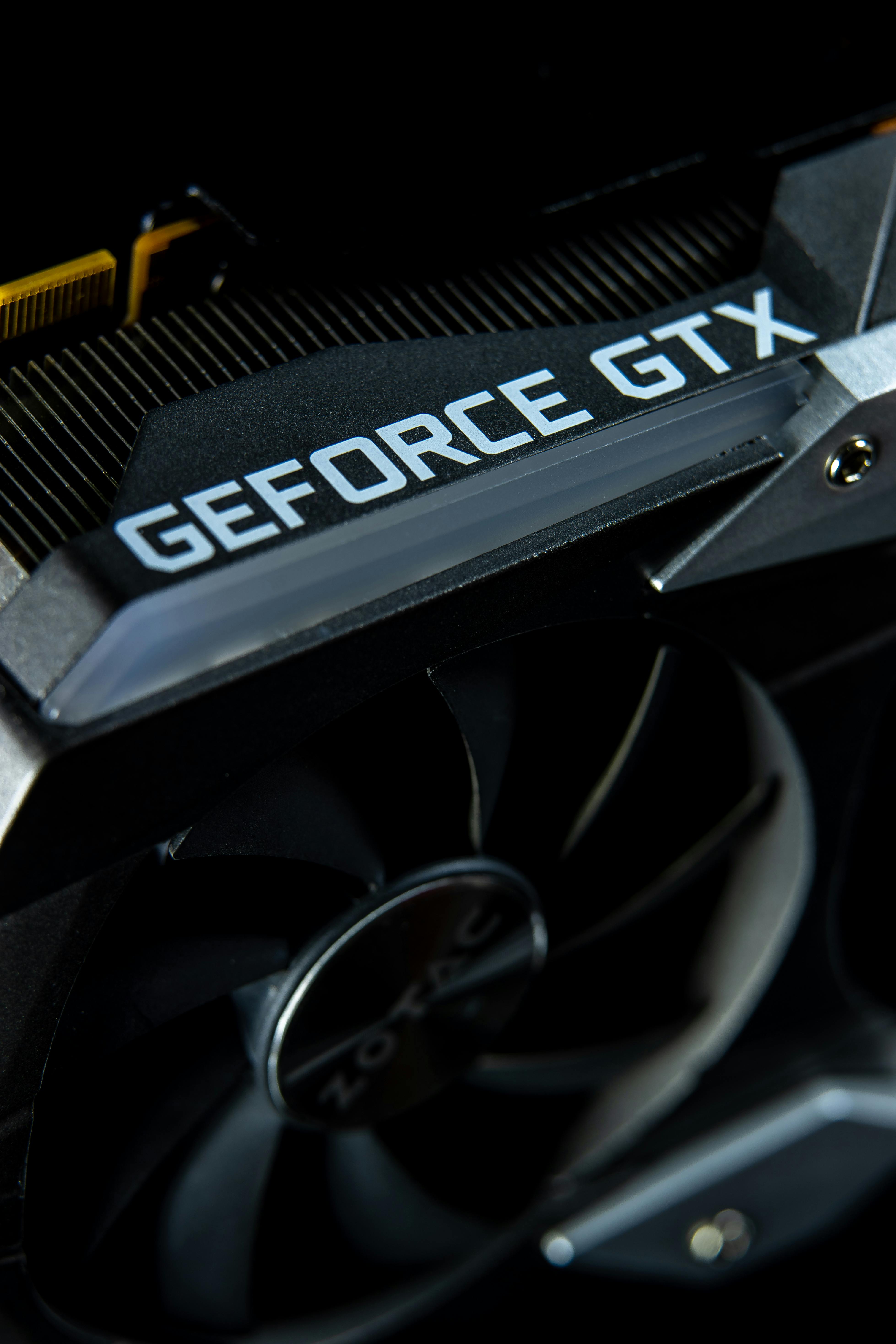
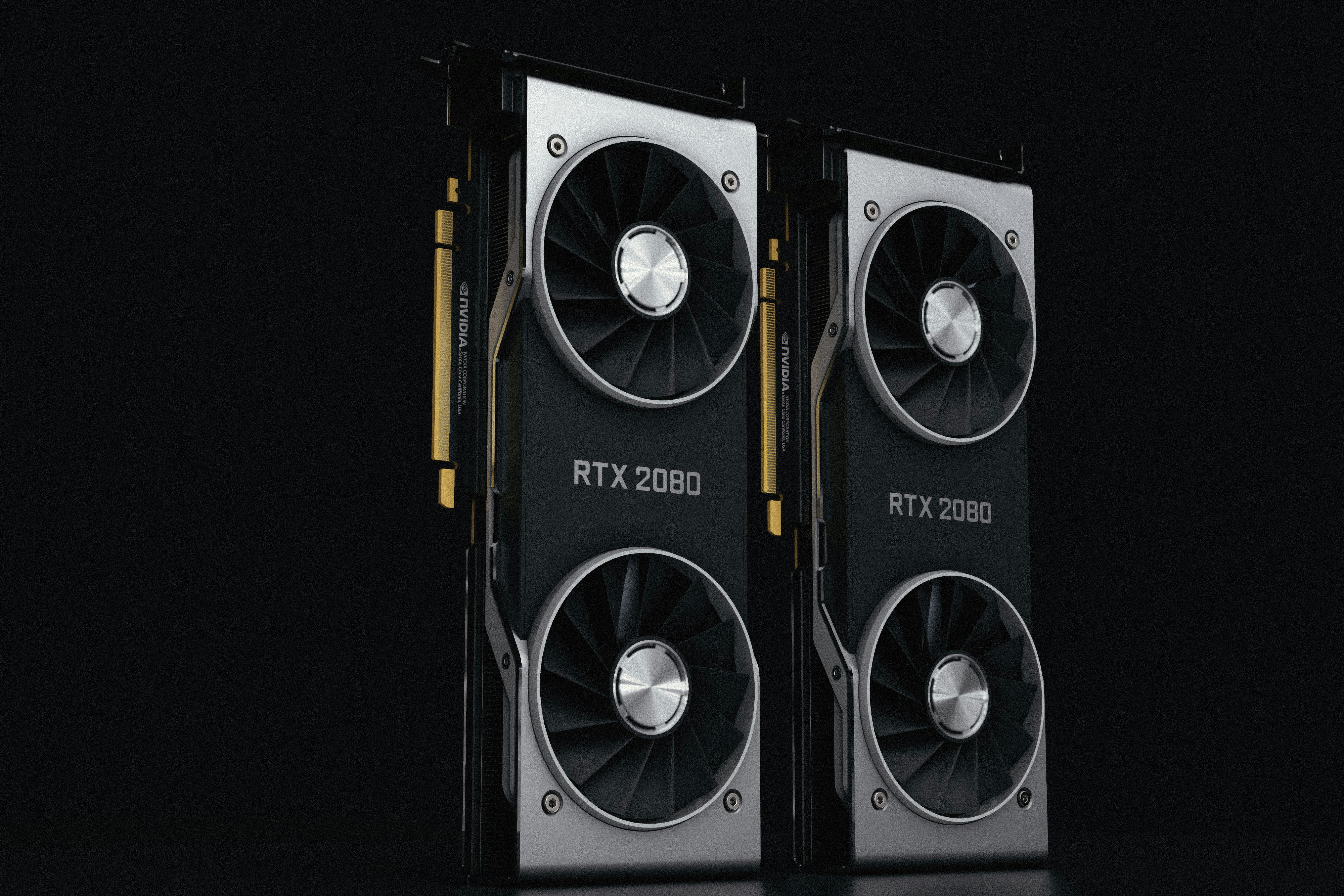
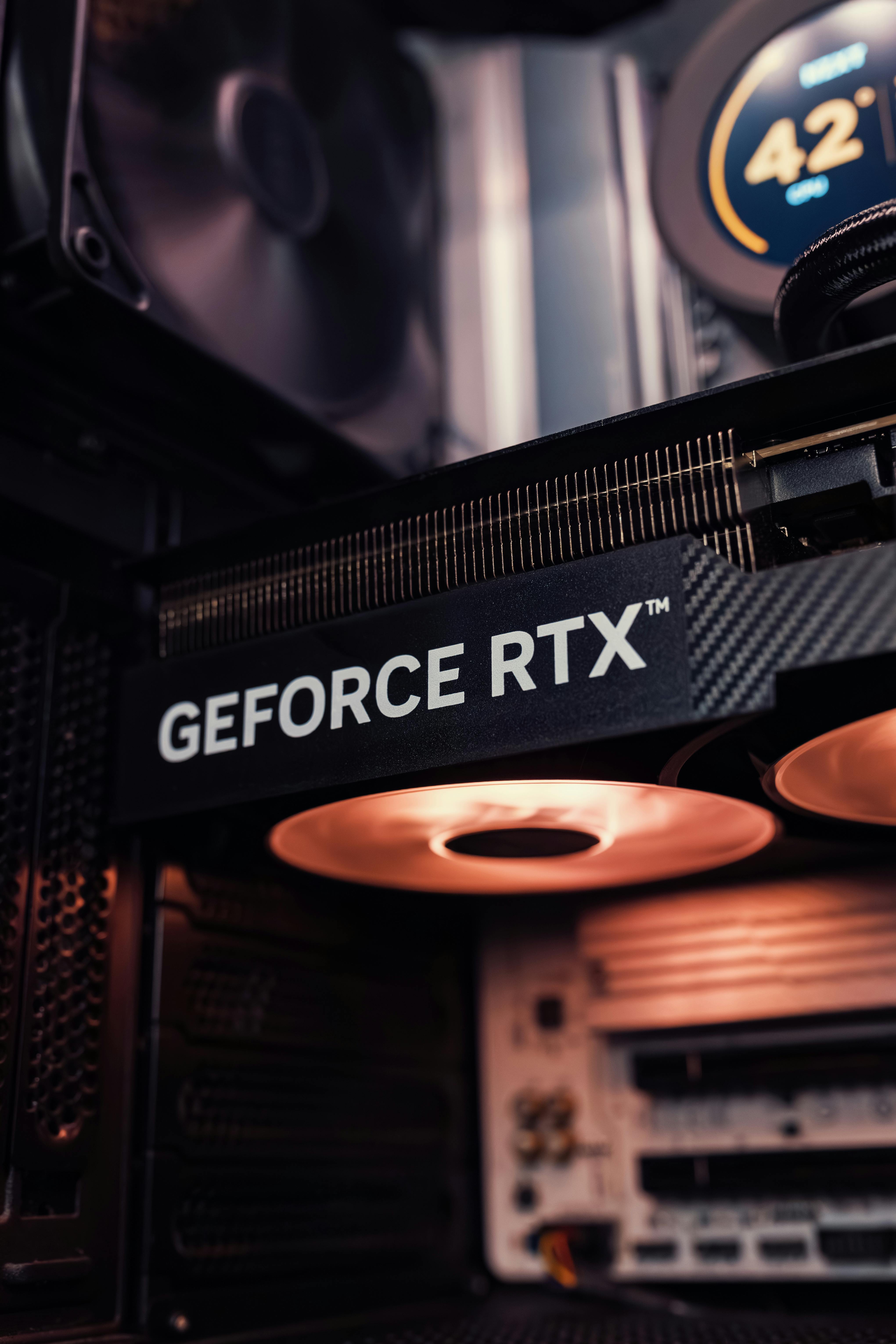
Nvidia reported $215.9bn in annual revenue with Q4 sales jumping 73% year-on-year
The company acquired rival Groq for $20bn to strengthen its position in the inference chip market
Nvidia's most advanced H200 chips have recorded zero sales to China despite regulatory adjustments
The chipmaker is valued at $4.8tn, making it the world's most valuable publicly-traded company
Nvidia's chief executive Jensen Huang stood before investors on Wednesday to announce that his company had generated $215.9bn in annual revenue—a figure so staggering it almost obscures the more interesting story unfolding behind the numbers. The chipmaker that created the AI boom is now scrambling to protect itself from what comes after it. The quarterly figures reflect continued dominance, yet the company's recent moves tell a different tale of strategic anxiety.
The quarterly figures reflect continued dominance: sales jumped 73% year-on-year in the final three months of Nvidia's financial year. But whilst Huang crowed about "computing demand growing exponentially," the company's recent moves tell a different tale. This is a firm hedging its bets with unusual urgency for a business currently worth $4.8tn—the world's most valuable publicly-traded company.
Technology and data visualisation representing AI chip infrastructure
What's particularly revealing is the gap between Nvidia's present performance and its strategic anxiety. The firm that powered OpenAI, Meta, and every other major AI developer is now racing to move beyond being a mere supplier. It wants to own more of the stack.
Enjoying this article?
Get stories like this in your inbox every week.
Beyond the chip: Nvidia's expansion gambit
Last month at CES in Las Vegas, Huang unveiled "Alpamayo," an open-source AI model designed for autonomous vehicles. Nvidia also declared plans to launch a robotaxi service by next year, though the partner remains unnamed—a detail vague enough to raise eyebrows among those tracking corporate announcements for substance rather than theatre.
These aren't the actions of a company confident in its current position.
Nvidia has historically dominated AI training, the computationally intensive process of teaching models. But inference—where trained models apply their learning to real-world data—has become a battleground. Competitors including AMD and custom chip divisions at Google, Amazon, and Meta are chipping away at Nvidia's monopoly with alarming effectiveness.
The fourth quarter acquisition of rival Groq for $20bn represents the clearest admission yet that Nvidia recognises the threat. Groq specialises in inference chips, precisely the area where Nvidia's grip is weakening. For a company reporting record revenues, spending that sum on a competitor suggests genuine concern about future positioning.
Financial charts and business analytics showing market performance
The circular financing problem nobody wants to discuss
Investors have started asking uncomfortable questions about Nvidia's sprawling investment portfolio. The concern centres on what critics call "circular financing"—Nvidia pumps money into AI startups, which then purchase Nvidia chips with that capital. The arrangement creates demand that may not reflect genuine market health so much as financial engineering.
The practice isn't illegal, but it muddies the picture considerably. When Huang declares that customers are "racing to invest in AI compute," how much of that race involves money that originated from Nvidia itself? The company hasn't provided detailed breakdowns that would answer this question satisfactorily.
Gene Munster, managing partner at Deepwater Asset Management, maintains that "AI is accelerating faster than people not using these tools can grasp." That's one analyst's optimistic view. Others note that Nvidia's need to create its own demand through robotaxis and autonomous vehicle platforms suggests the pure infrastructure play may have natural limits.
The China-shaped hole in the forecast
Perhaps most telling is what Nvidia's outlook didn't include: any expectations for chip revenue from China. This omission is significant given that Chinese customers previously represented a substantial revenue stream.
According to a US Commerce Department official speaking to lawmakers this week, sales of those chips to China stand at exactly zero.
US export restrictions have throttled that business, and recent developments suggest the situation hasn't improved despite regulatory adjustments. The Trump administration began allowing Nvidia to sell its H200 chips—the company's second-most advanced—to Chinese customers under certain conditions last month. That's not a temporary blip but a major market effectively closed to Nvidia's premium products.
Global business connectivity and international market networks
The geopolitical dimension adds another layer of uncertainty to Nvidia's forecasting. When a company loses access to the world's second-largest economy for its most advanced products, even record revenues can't entirely compensate for that strategic vulnerability.
What the numbers really signal
Nvidia's $215.9bn revenue figure demonstrates that AI infrastructure spending remains robust—for certain values of "robust" that may include the company's own investment activities. The 73% year-on-year growth in Q4 is extraordinary by any standard. But extraordinary present performance and confident future positioning aren't the same thing.
The diversification into robotaxis and autonomous vehicles, the Groq acquisition, and the expansion beyond pure chipmaking all point to a company that understands its current dominance won't last indefinitely. Whether these moves represent strategic foresight or reactive hedging will become clearer as AI infrastructure spending matures and the distinction between genuine demand and financially-engineered demand becomes more apparent.
Competitors aren't standing still, and Nvidia's customers are increasingly building their own silicon to reduce dependence on a single supplier. For investors watching Nvidia's trajectory, the question isn't whether the company delivered impressive numbers this quarter. It's whether the pivot happening behind those numbers will prove as successful as the AI training dominance that created them.
Watch for transparency around circular financing—how much of Nvidia's chip demand stems from its own startup investments will determine whether current revenues reflect genuine market strength
The China revenue gap represents a structural vulnerability that diversification moves cannot immediately replace, signalling geographic risk that extends beyond quarterly performance
Nvidia's aggressive expansion into robotaxis, inference chips, and vertical integration suggests management believes its chipmaking monopoly has a shelf life—the success of these hedges will define the company's next decade
Multi-award winning serial entrepreneur and founder/CEO of Venntro Media Group, the company behind White Label Dating. Founded his first agency while at university in 1997. Awards include Ernst & Young Entrepreneur of the Year (2013) and IoD Young Director of the Year (2014). Co-founder of Business Fortitude.