Scottish households paid £5.8 billion in excess energy costs between 2021 and 2024, averaging £2,260 per household
Total excess energy costs across all sectors in Scotland reached £11 billion during the crisis period
Scotland's fuel poverty rate stands at 31% despite being described as an 'energy rich nation'
UK industrial power prices remain amongst Europe's highest even after wholesale price stabilisation
Scottish households haemorrhaged £5.8 billion in excess energy costs between 2021 and 2024, according to new analysis that quantifies just how brutally the Ukraine war's gas price shock hit consumers. The figure—roughly £2,260 per household—represents 70% of what the average Scottish family spends annually on food and non-alcoholic drinks. Add another £5.2 billion absorbed by industry, commerce, agriculture and the public sector, and you're looking at an £11 billion wealth transfer driven entirely by fossil fuel price volatility.
The numbers, compiled by the Energy & Climate Intelligence Unit (ECIU), land at a particularly awkward moment for British energy policy. Westminster faces imminent decisions on North Sea licensing, with industry advocates insisting domestic production cushions against future shocks whilst climate economists argue the volumes are too marginal to matter. What's interesting here is that both sides are probably right—and both are missing the structural point.
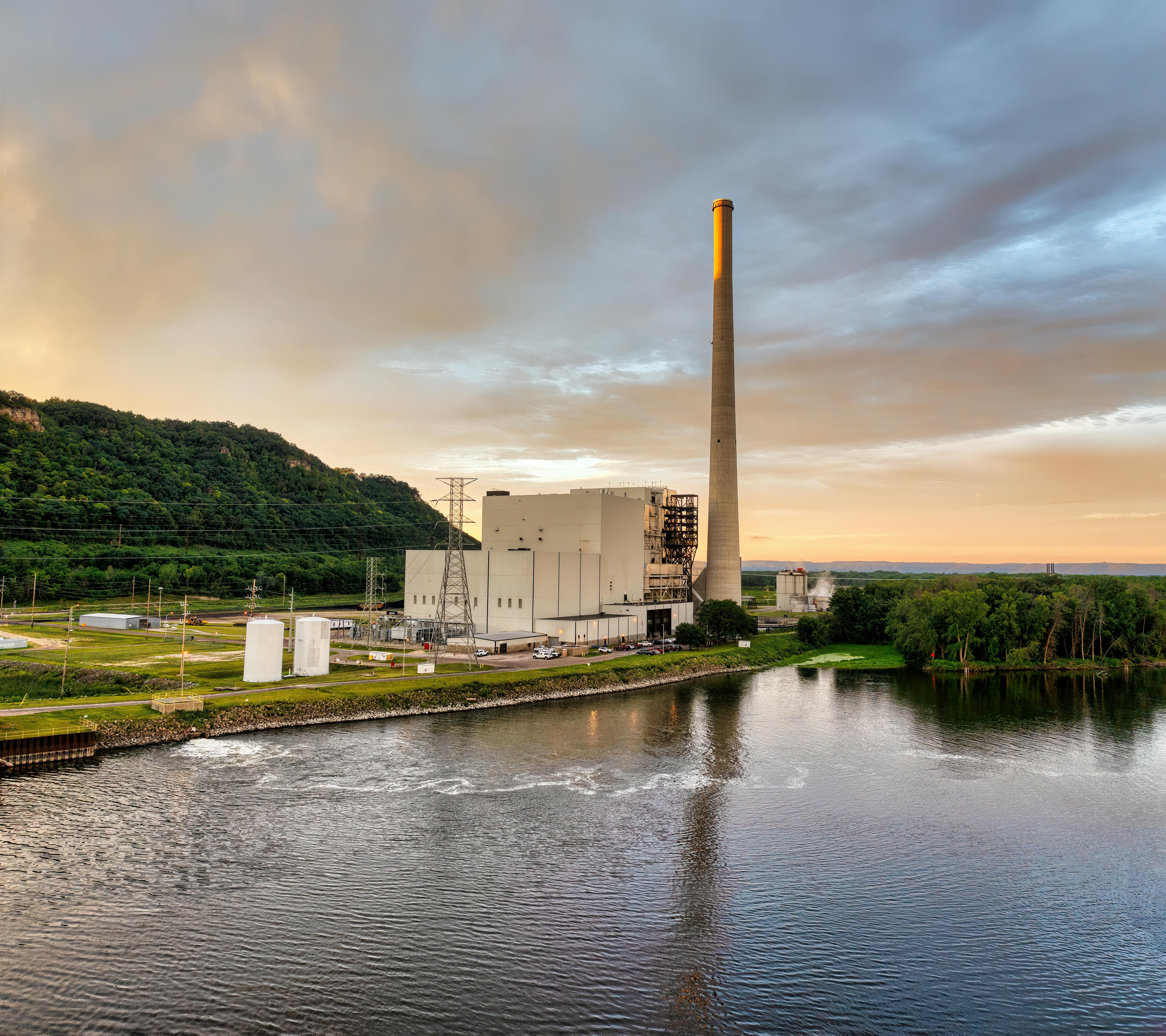
Energy infrastructure and power generation facilities
The security argument doesn't add up
Professor Tavis Potts at Aberdeen University's Just Transition Lab makes the arithmetic case bluntly: North Sea output is too small to influence globally-set gas prices, and remaining reserves couldn't supply a meaningful fraction of UK demand even if extracted at pace. The economics support this. When wholesale gas prices quintupled following Russia's invasion of Ukraine, British production—which meets roughly 40% of domestic demand—did nothing to insulate consumers from internationally-determined pricing.
Enjoying this article?
Get stories like this in your inbox every week.
The UK has effectively deindustrialised its energy-intensive manufacturing base over two decades of high power costs, leaving behind a consumer market that's politically sensitive but economically inflexible.
Industry figures privately acknowledge this reality whilst publicly emphasising supply security. The tension reflects a deeper problem: the UK has effectively deindustrialised its energy-intensive manufacturing base over two decades of high power costs, leaving behind a consumer market that's politically sensitive but economically inflexible. According to IMF analysis cited by the ECIU, Britain was western Europe's worst-hit major economy during the price spike precisely because of its gas dependence for both power generation and heating.
What the North Sea security argument actually defends isn't consumer prices—it's jobs, tax revenues, and existing infrastructure investments. That's a legitimate political concern, but conflating it with household energy bills muddies the policy debate considerably.
Scotland's energy export paradox
The Scottish Government's response to the £11bn figure reveals the other half of this impasse. Energy Secretary Gillian Martin points to 31% fuel poverty rates in what she describes as an 'energy rich nation', arguing independence would allow Scotland to convert resource wealth into consumer relief. She's proposing a social tariff delivering automatic bill discounts averaging £700 to 660,000 households.
The political framing aside, Scotland's situation does highlight a genuine infrastructure puzzle. The country generates substantial renewable electricity—wind power contributed to a one-third reduction in UK wholesale day-ahead prices last year, according to the ECIU—yet remains heavily reliant on gas for heating. That's a policy and capital allocation problem, not a resource constraint.
Scottish renewable energy generation and wind turbines
Industry and commercial energy users absorbed £4.4 billion of the £11bn total, with Glasgow businesses facing £800 million in additional costs and Edinburgh another £740 million. For energy-intensive manufacturers, the crisis didn't just spike operating costs—it exposed a lasting competitiveness disadvantage. UK industrial power prices remain amongst Europe's highest despite wholesale price stabilisation, suggesting the problem predates Putin and will outlast him.
The transition that isn't happening fast enough
The ECIU's analysis notes that whilst renewable capacity increased during the crisis, progress on shifting away from gas boilers and reducing industrial fossil fuel dependence 'remains slow'. This is the central frustration for energy economists watching the political firefight. The £11bn figure quantifies the cost of vulnerability, but the policy response focuses on blame rather than structural change.
Labour MSP Mercedes Villalba frames it as government failure to accelerate transition. The SNP frames it as Westminster withholding necessary powers. Westminster minister Martin McCluskey points to a recent renewables auction securing capacity to power 16 million homes and £15 billion allocated to a Warm Homes Plan. All technically true, none addressing the coordination problem.
What's missing is acknowledgement that the transition requires simultaneous progress on generation, storage, grid infrastructure, building retrofits, and industrial process changes—each with different timeframes, capital requirements, and political constituencies.
What's missing is acknowledgement that the transition requires simultaneous progress on generation, storage, grid infrastructure, building retrofits, and industrial process changes—each with different timeframes, capital requirements, and political constituencies. Wind capacity helps, but intermittency means gas remains the marginal price-setter for significant periods. Heat pumps reduce gas demand, but deployment requires trained installers, consumer financing, and building fabric improvements that take years to scale.
What the £11bn actually buys
The political utility of the ECIU's £11bn figure is that it quantifies what economists call an 'external cost'—the price of policy inaction that doesn't appear on any government balance sheet until crisis hits. The question is whether that number becomes a catalyst for coordinated infrastructure investment or simply ammunition for the existing blame cycle.
Household energy costs and financial impact on consumers
Early indications suggest the latter. The Scottish Government is investing £300 million this year in heating and efficiency upgrades whilst distributing £197 million in Winter Heating Benefits to 1.5 million households. Westminster points to its renewables auction and warm homes funding. Neither sum approaches the scale of the problem the £11bn figure represents, which is the annual cost of maintaining fossil fuel dependence through a major supply shock.
The next major gas price spike—whether from Middle Eastern instability, infrastructure failure, or accelerated global transition squeezing supply—will likely arrive before Britain's heating stock transitions off gas or its industrial base secures long-term power purchase agreements at competitive rates. The £11bn figure measures the last crisis. The costs of climate inaction could reach 5-20% of Scotland's GDP if left unchecked, suggesting the policy response will determine whether the next one costs more or less. Meanwhile, small businesses continue paying over £5,000 extra annually on energy bills compared to pre-crisis levels, a sustained burden that compounds the competitive disadvantage.
Multi-award winning serial entrepreneur and founder/CEO of Venntro Media Group, the company behind White Label Dating. Founded his first agency while at university in 1997. Awards include Ernst & Young Entrepreneur of the Year (2013) and IoD Young Director of the Year (2014). Co-founder of Business Fortitude.