16 Labour MPs have signed a public pledge opposing the Rosebank oil field development, breaking ranks with Keir Starmer's government
The Rosebank field contains approximately 300 million barrels of oil—roughly 18 months of current UK consumption—located 80 miles west of Shetland
Labour lost the safe seat of Gorton and Denton to the Greens on Thursday, making climate policy an immediate electoral liability
A Supreme Court ruling now requires planning approvals to account for emissions from burning extracted fuels, not just extraction itself
Keir Starmer's government faces its first major climate rebellion as 16 Labour MPs publicly oppose the Rosebank oil field, Britain's largest untapped reserve. The revolt arrives at a perilous moment—just days after losing a safe seat to the Greens—and forces ministers to choose between backbench anger and accusations of abandoning energy security. What was supposed to be a manageable policy decision has become the defining test of Labour's climate credentials in office.
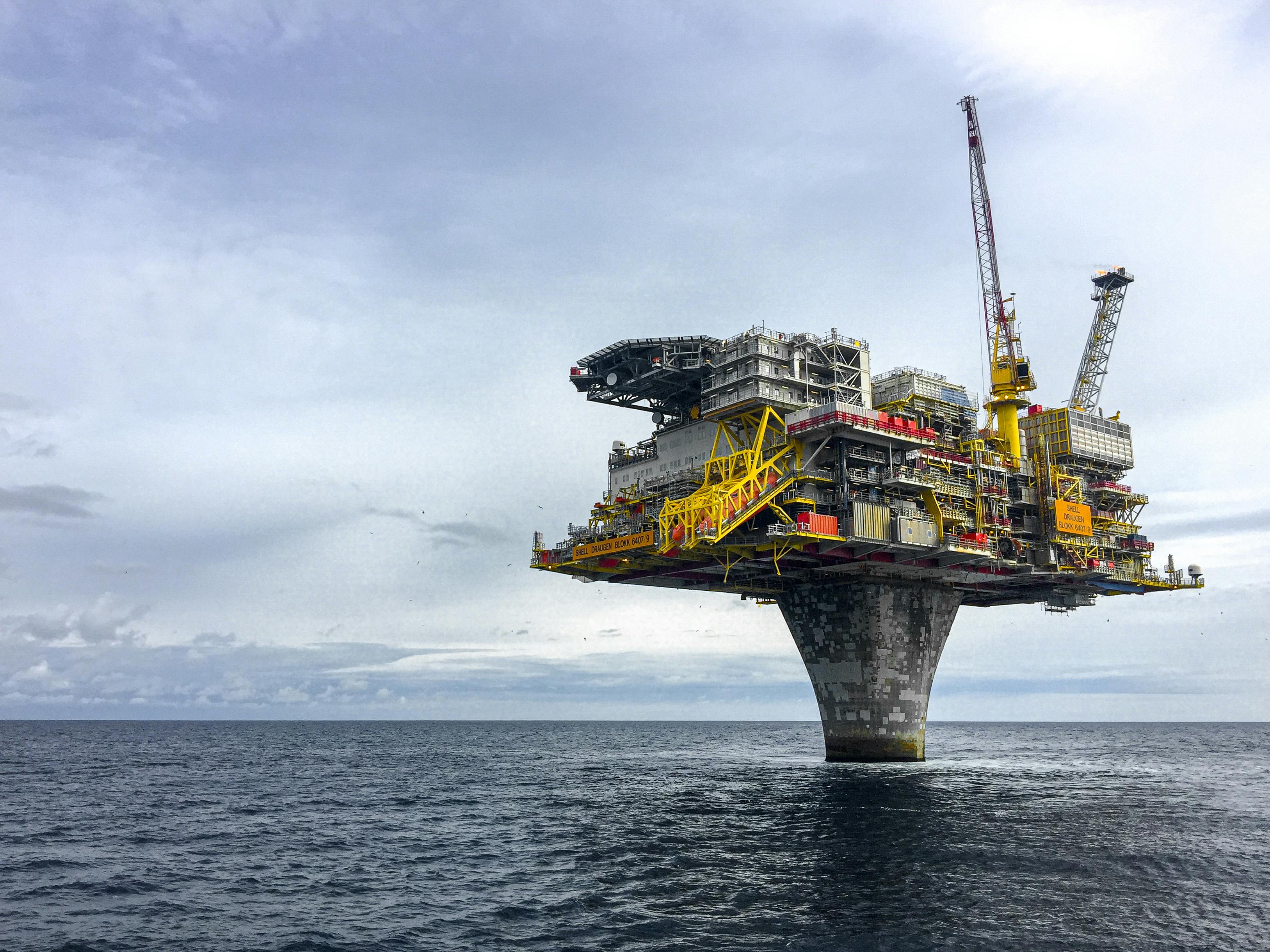
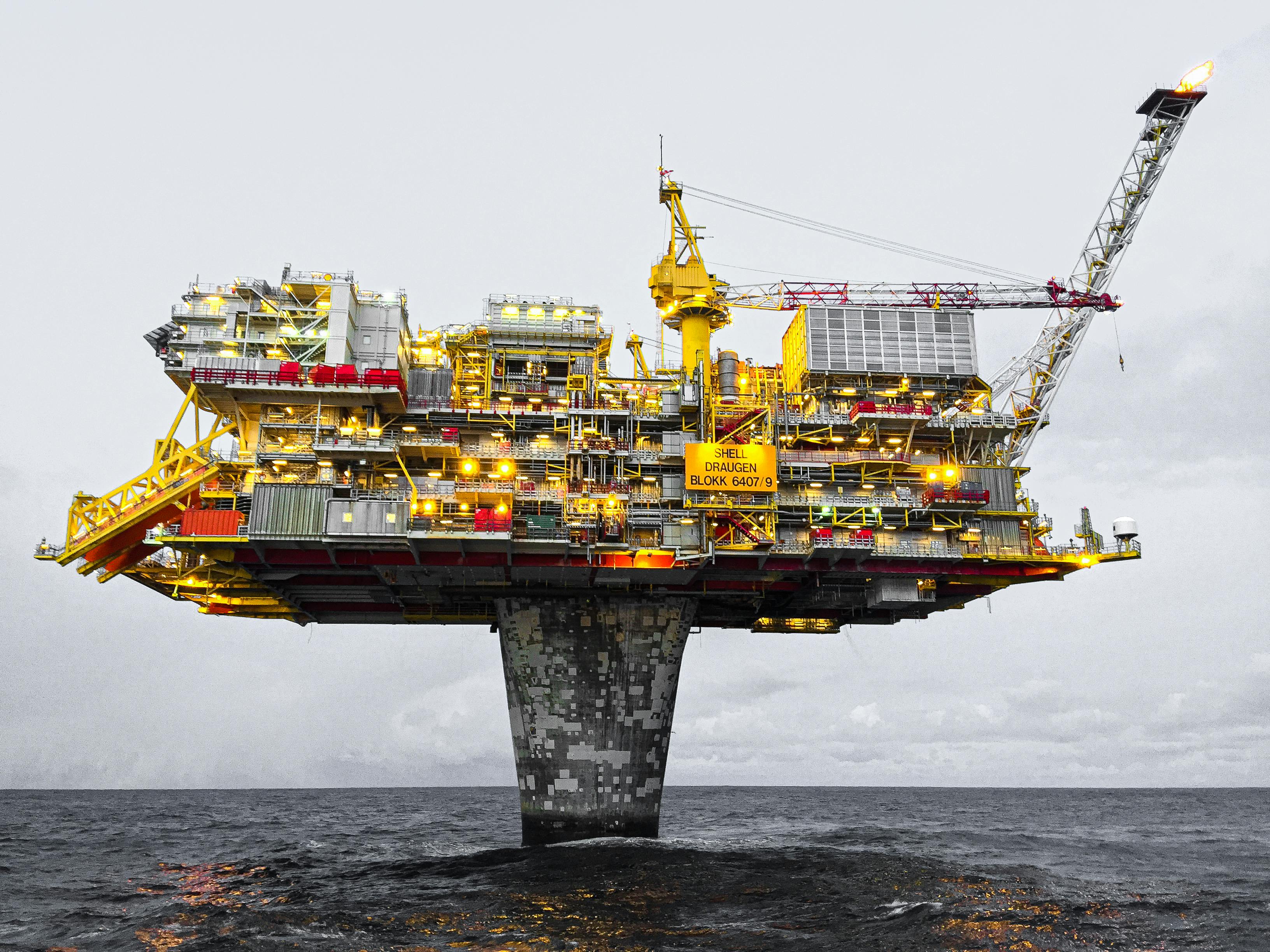
Offshore oil platform in the ocean
The revolt, which includes former shadow chancellor John McDonnell and spans more than 60 parliamentarians across multiple parties, arrives at the worst possible moment for Labour strategists. Thursday's loss of the safe seat of Gorton and Denton to the Greens has made climate policy an immediate electoral liability, not merely an abstract policy debate. Ministers must soon decide whether to approve drilling at the UK's largest untapped oil field whilst simultaneously managing backbench anger and watching their left flank.
The decision is complicated by a Supreme Court ruling that fundamentally altered the legal landscape for fossil fuel projects. Planning approvals must now account for the emissions created when extracted fuels are actually burned, not simply the carbon footprint of extraction itself. That ruling paused the Conservative government's 2023 approval of Rosebank, and the question now sits squarely on Ed Miliband's desk.
Enjoying this article?
Get stories like this in your inbox every week.
The political arithmetic isn't encouraging
Rosebank sits 80 miles west of Shetland and contains an estimated 300 million barrels of oil. For context, that's roughly 18 months of current UK oil consumption, though the majority would likely be exported. The field's operators argue it represents energy security and jobs for Scotland's northeast.
Critics point out that new North Sea production does nothing to shield UK consumers from global oil prices whilst locking in emissions incompatible with net-zero targets. What makes this particularly awkward for Labour is the gap between its commitments and its current position. The government pledged not to issue new licences for North Sea oil and gas exploration.
Industrial workers at an energy facility
Simultaneously, it's promised energy security, a "just transition" for oil workers, and pragmatic management of existing resources. Rosebank tests whether those pledges can coexist or whether one must give.
Clive Lewis, the Norwich South MP who signed the Uplift campaign pledge, framed opposition as standing "against Trump, Reform and their fossil fuel paymasters".
The rhetoric from rebel MPs suggests they see this as a defining moment. It's highly partisan language that links domestic climate policy to broader culture war positioning, and it signals how some backbenchers want to weaponise the issue against both external opponents and internal compromise.
Chris Murray, Labour MP for Edinburgh East and Musselburgh, took a different tack, arguing that "opening new oil and gas fields is simply incompatible with our climate commitments" and warning that Scotland's oil workers "risk being left behind" without transition to clean energy. Scottish Labour MSP Mercedes Villalba went further, claiming approval would "lock us into a toxic dependence on volatile, conflict-ridden fossil fuels".
The government's impossible balancing act
The question for Starmer and Miliband is whether backbench pressure combined with Green electoral threats creates sufficient political risk to outweigh the accusations of flip-flopping that would follow a rejection. Industry groups have already argued that blocking Rosebank whilst importing equivalent oil from overseas achieves nothing for global emissions whilst damaging UK jobs and tax revenue.
Government sources continue to emphasise Labour's commitment to "a fair, orderly and prosperous transition in the North Sea in line with our climate and legal obligations". That formulation is carefully constructed to leave room for approving some continued production whilst winding down the sector over time. The government's position holds that managed decline of North Sea output can align with net-zero targets if the transition timeline is controlled.
Whether that argument survives contact with the political environment is another matter entirely. The Gorton and Denton result demonstrated that climate-focused voters will punish perceived backsliding, particularly in urban constituencies where environmental policy ranks highly. Labour holds dozens of seats where similar dynamics could play out if the Greens sense vulnerability.
The irony is that Labour's electoral coalition now includes both constituencies where climate action is a priority and regions where oil and gas jobs remain economically significant. Satisfying both simultaneously may simply be impossible.
Climate protest with activists holding banners
The Rosebank decision becomes less about optimal policy and more about which faction the government fears more. Former Labour MPs Jeremy Corbyn and Diane Abbott have also signed the pledge, alongside Liberal Democrat and Green MPs, various SNP and Plaid Cymru members, and a Sinn Fein representative. That cross-party breadth gives the campaign legitimacy beyond Labour's internal tensions, but it's the presence of 16 current Labour MPs that creates the genuine problem for whips.
The timing of the decision remains unclear, but the political pressure is unlikely to diminish. If ministers approve Rosebank, they risk accusations of caving to anti-climate agendas, further by-election losses and sustained backbench rebellion. If they reject it, they face accusations of abandoning oil workers and energy security.
Labour's electoral coalition is fundamentally divided between climate-prioritising urban seats vulnerable to Green challengers and regions dependent on oil and gas employment—the Rosebank decision will reveal which faction the government fears more
The Supreme Court ruling requiring emissions accounting for burned fuels transforms the legal baseline for all future fossil fuel projects, not just Rosebank, making this decision a precedent with far-reaching consequences
Watch whether backbench rebellion expands beyond the current 16 MPs if approval proceeds—sustained internal opposition on climate could define Labour's parliamentary management challenges for the remainder of this term
Multi-award winning serial entrepreneur and founder/CEO of Venntro Media Group, the company behind White Label Dating. Founded his first agency while at university in 1997. Awards include Ernst & Young Entrepreneur of the Year (2013) and IoD Young Director of the Year (2014). Co-founder of Business Fortitude.