Government has frozen regulated rail fares for the first time since 1994, saving passengers an estimated £600m this year
The freeze affects only 40% of tickets sold — regulated fares including peak commuter returns and off-peak journeys between major cities
Passengers would have faced a 5.8% fare increase without the freeze, continuing a trend that has pushed prices up 60% since 2010
The freeze remains in place until March 2027 and applies to Standard class Anytime, Off-Peak and Season tickets
The government has pulled off something that hasn't happened since 1994: frozen regulated rail fares. After three decades of relentless annual hikes that pushed prices up 60% since 2010, the Department for Transport claims this freeze will save passengers £600m this year and spare them a 5.8% increase that would have landed like a brick through the letterbox of Britain's cost-pressed commuters. The political logic is clear, but what the government hasn't explained is where the money comes from.
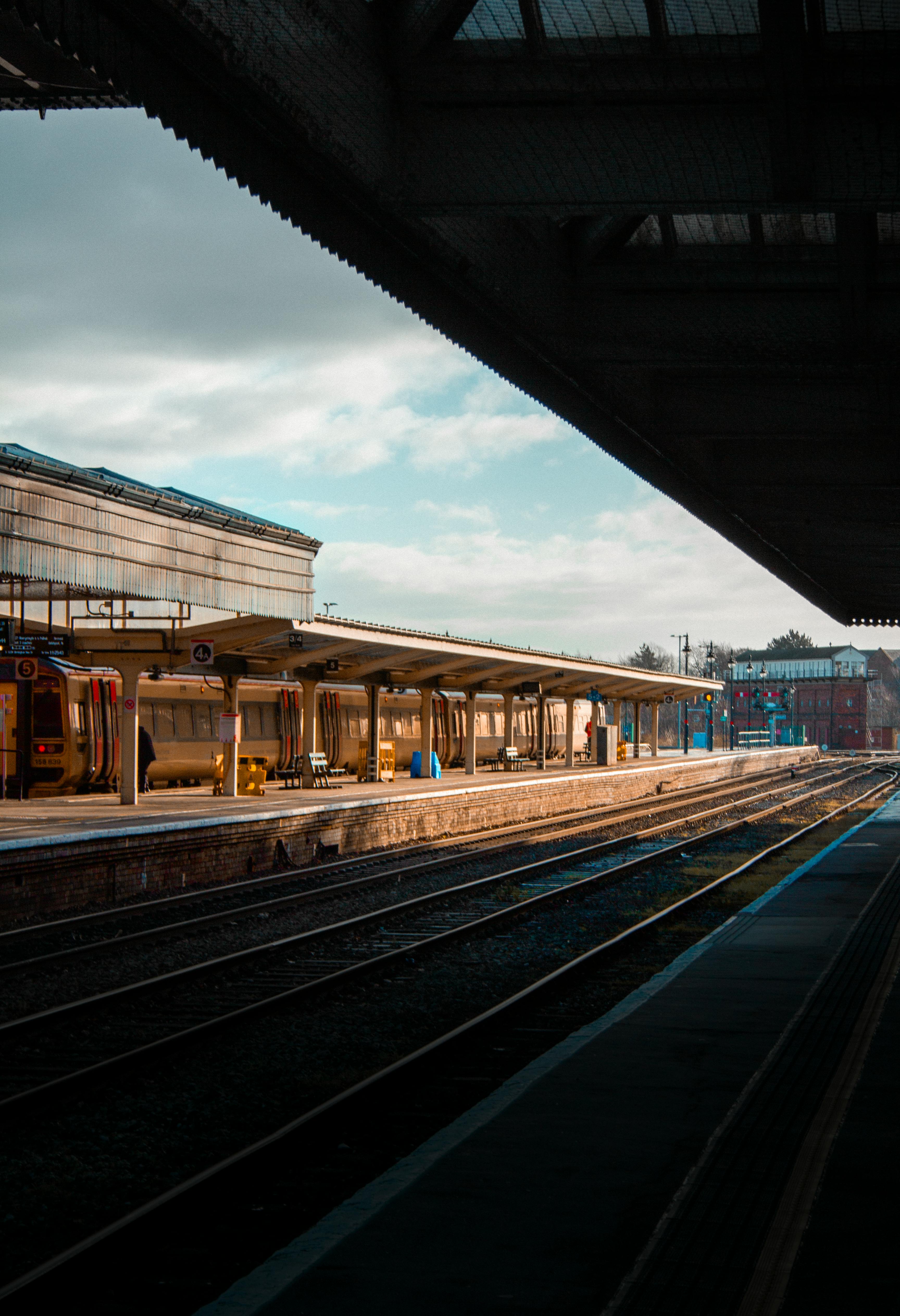
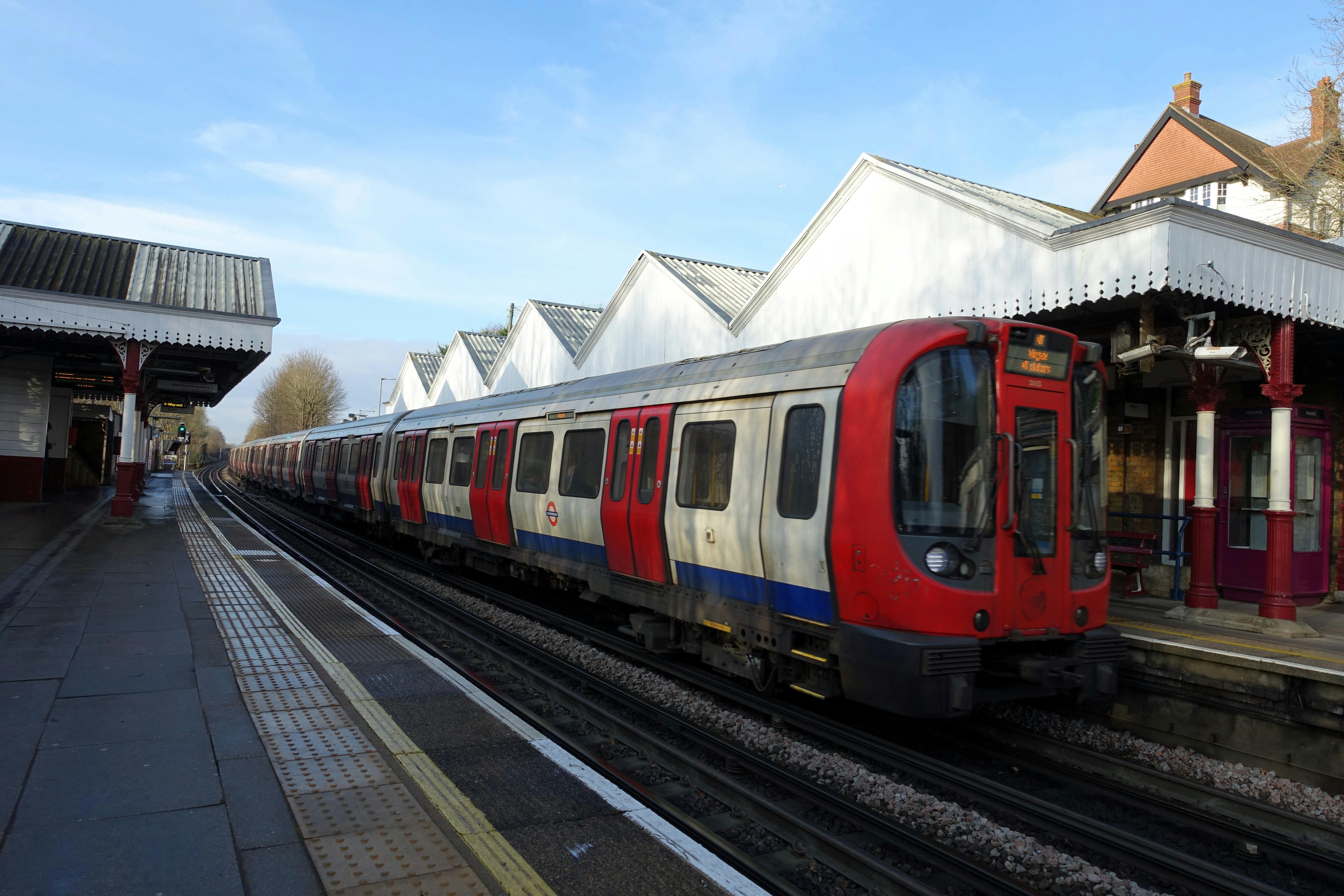
Commuters waiting at railway station platform
The Partial Freeze Problem
Before commuters start celebrating, they should read the small print. This freeze covers only regulated fares — roughly 40% of tickets sold, according to industry estimates. Peak commuter returns and off-peak journeys between major cities are protected. Everything else remains fair game.
Train operators can still adjust advance fares, first-class tickets, and other unregulated products. Anyone who's tried to book a train recently knows that advance fares already fluctuate wildly depending on when you book, which train you catch, and what appears to be the alignment of the planets. That pricing freedom isn't going anywhere.
Enjoying this article?
Get stories like this in your inbox every week.
The government has offered specific examples of savings: £315 annually for a Milton Keynes commuter travelling three days a week on flexi-season tickets, £173 from Woking to London, £57 from Bradford to Leeds. These figures, provided by the Department for Transport, assume consistent travel patterns and that passengers were buying regulated tickets in the first place.
Rail passenger numbers remain below pre-pandemic levels. Hybrid working has shredded the five-day commute that once formed the backbone of rail revenue.
The question isn't whether frozen fares help those who travel — they obviously do. The question is whether they'll convince enough people to return to justify the lost revenue.
Empty train carriage interior with vacant seats
The Funding Gap No One Wants to Discuss
Britain's railways already run on substantial public subsidy, a situation that predates the pandemic but worsened dramatically when passenger numbers collapsed. Regulated fares represent a critical revenue stream. Freeze them, and you create an immediate shortfall.
Transport Secretary Heidi Alexander has framed this as an investment in rebuilding confidence and passenger numbers. The argument runs that affordable fares will draw people back, generating revenue growth that offsets the freeze. Perhaps. But this assumes demand elasticity that the data doesn't clearly support, particularly when service quality remains a persistent complaint.
Industry groups have repeatedly warned that maintaining current service levels whilst investing in desperately needed infrastructure requires either higher fares, greater taxpayer support, or significant efficiency savings. The government appears to have chosen door number two without explicitly saying so.
What's interesting here is the timing. This freeze arrives alongside Labour's Great British Railways nationalisation programme, which promises to unify track and train operations under public ownership. GBR is supposed to simplify ticketing, introduce a fee-free national booking platform, and generally make everything more efficient. Fine ambitions. But GBR has no launch date, no detailed funding model, and no track record.
The government is gambling that the public will accept higher taxes or reduced services elsewhere to subsidise rail travel.
What Happens Next
From 1 April, passengers will only be able to claim refunds for unused tickets before travel, a policy the Department for Transport says will reduce fraud. Cynics might note this also reduces operator obligations and passenger flexibility, but the government insists it's about protecting revenue.
The rail unions, predictably, support the freeze. Aslef called it a step towards growing the railway. Transport Focus, the passenger watchdog, described it as "extremely welcome news". Missing from these endorsements is any serious engagement with the funding arithmetic.
Train tickets and railway timetable on desk
Labour's broader rail strategy depends on GBR delivering efficiencies that current fragmented operations cannot. That may prove true. Nationalisation offers opportunities to eliminate duplication and align incentives. But nationalisation also means the government owns every delay, every cancellation, and every funding shortfall. Private operators made convenient scapegoats. Public ownership means ministerial responsibility.
The fare freeze offers genuine short-term relief to millions of passengers making more than a billion journeys. That matters. But transport policy isn't made one year at a time. Britain's railways need sustained investment, not just in rolling stock and infrastructure but in operational improvements that make services worth using.
Without a credible funding model that explains how frozen fares, increased subsidy, and service improvements coexist, this looks less like transport policy and more like political crisis management. The bill will arrive eventually. Someone will have to pay it.
Watch whether passenger numbers actually increase enough to offset the £600m revenue shortfall — the policy's success depends on reversing post-pandemic travel patterns
The funding gap created by frozen regulated fares will likely be filled through increased public subsidy, meaning taxpayers subsidising rail travel through other means
Great British Railways nationalisation removes private operators as scapegoats — future service failures and funding shortfalls will fall directly on ministerial shoulders
Multi-award winning serial entrepreneur and founder/CEO of Venntro Media Group, the company behind White Label Dating. Founded his first agency while at university in 1997. Awards include Ernst & Young Entrepreneur of the Year (2013) and IoD Young Director of the Year (2014). Co-founder of Business Fortitude.