Ofgem expected to announce energy price cap reduction of £117 for typical dual fuel household from April, down 7% to £1,641 annually
Chancellor Rachel Reeves promised £150 cut in November, but rising network charges and wholesale gas prices have reduced actual savings by £33
Savings applied to unit rates rather than fixed deductions, meaning high-usage households gain more whilst low-usage homes, including pensioners, receive substantially less
Reduction funded by scrapping Energy Company Obligation scheme, which previously provided efficiency improvements for low-income households
The gap between what politicians promise and what households actually receive rarely looks quite so precise. When Chancellor Rachel Reeves pledged to cut £150 from average energy bills in November, she offered a clear, headline-grabbing figure. What Ofgem is expected to announce on Wednesday tells a different story: a reduction of £117 for a typical dual fuel household that brings the annual price cap to £1,641 from April.
That £33 shortfall isn't just political sleight of hand. The mechanics of how energy pricing actually works mean the gap between promise and reality will vary wildly depending on who you are and how much power you use.
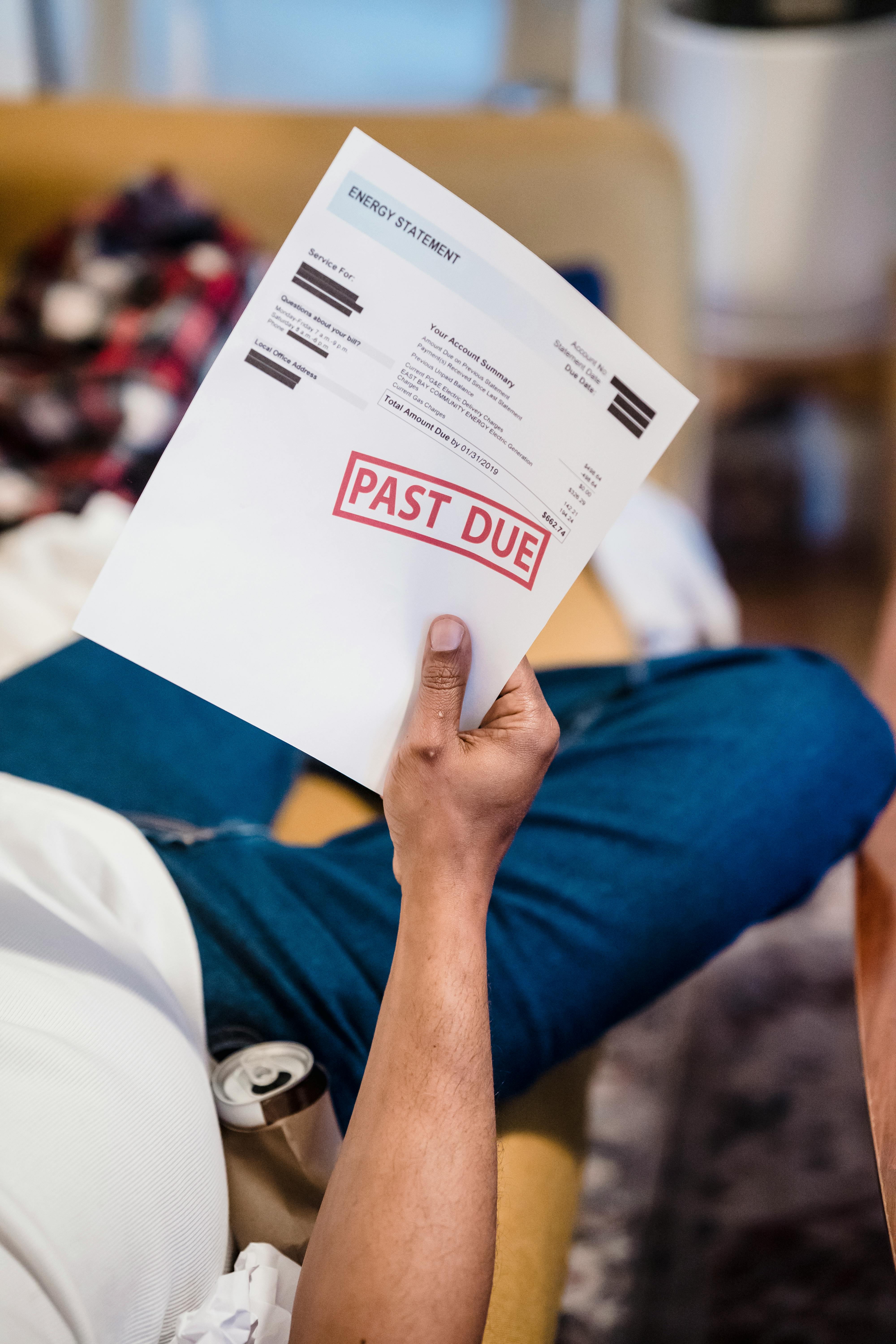
Energy bill statement and calculator
The promised reduction came from scrapping the Energy Company Obligation scheme, a Tory-era programme that funded energy efficiency improvements for low-income households. Reeves repackaged that funding into direct bill relief, banking on the political appeal of immediate savings over long-term efficiency investments. But the £150 figure was always predicated on "average" usage, and average is doing a lot of work in that sentence.
Enjoying this article?
Get stories like this in your inbox every week.
The unit rate problem
What makes this particularly opaque is how the reduction will actually appear on bills. Rather than a straightforward £150 deduction, the cut will be applied primarily to the price per unit of electricity consumed. High-usage households will see savings well above £117, whilst low-usage households, including many pensioners and single-person homes, will pocket considerably less.
According to figures from Cornwall Insight, once VAT and pricing allowances within the cap methodology are factored in, the actual reduction should come to around £145 annually. Where did the rest go? Network charges.
Increases in charges associated with operating and maintaining Britain's energy infrastructure have eaten into part of the promised savings, with costs passed directly to consumers through their bills.
Energy suppliers have no control over these charges, but households feel them all the same. The wholesale gas market hasn't helped either. Prices have ticked up since Cornwall Insight's December forecast, with volatility driven largely by continued geopolitical instability affecting European gas supplies.
Person reviewing household energy bills
Why households will see different savings
Energy UK, which represents suppliers, put it bluntly: whilst the saving will be £150 for the average household, the discount is applied to the unit rate. That means consumption patterns determine actual savings, with some households seeing "substantially lower" reductions than the headline figure suggests.
The complexity here is deliberate, at least structurally. Energy pricing in Britain operates on a unit-rate and standing-charge model, which means fixed daily costs plus variable usage costs. The price cap sets maximum levels for both, but the interaction between them means there's no such thing as a simple £150 off.
Emily Seymour, energy editor at Which?, advised households to watch for communications from their providers explaining how the changes affect individual bills. That's sensible guidance, but it also highlights the problem: consumers need a translation service to understand what a policy change actually means for their wallets.
Simon Francis of the End Fuel Poverty Coalition argues that Ofgem should play a greater role in ensuring tariffs reaching the market are fair and don't discriminate against specific customer groups.
Currently, the onus falls on households to scrutinise unit costs and standing charges themselves, a task that presumes both time and financial literacy many simply don't have.
The political calculus
What's interesting here is the political bet Reeves made in November. By scrapping Eco funding, she freed up money for immediate bill relief, a tangible pre-election sweetener that households could theoretically see in their bank accounts. The trade-off was abandoning a scheme designed to reduce long-term energy demand through insulation and efficiency improvements, particularly for those least able to afford spiralling bills.
Household thermostat and heating controls
That choice looks increasingly questionable as wholesale prices remain volatile. Cornwall Insight expects the cap to stay "relatively steady" throughout 2026, with only a small rise forecast for July. But steady doesn't mean low, and steady certainly doesn't mean immune to external shocks.
The £117 reduction, when it arrives in April, will provide genuine relief for millions of households still grappling with cost-of-living pressures that never really eased after 2022's energy crisis. But the gap between the £150 promise and the £117 reality, compounded by the variations in actual household savings, serves as a reminder that energy pricing remains deliberately complex.
Whether that complexity serves consumers or simply obscures how policy trade-offs actually play out is a question Ofgem and the Treasury might prefer not to answer too directly. Households should scrutinise their April bills carefully and compare unit rates and standing charges, not just headline figures. Standing charges are expected to rise even as the overall cap falls, adding another layer of complexity.
Check your April energy bill carefully to understand your actual savings, which depend entirely on your consumption patterns rather than the headline £150 figure promised by the Chancellor.
Watch for rising standing charges that may partially offset unit rate reductions, particularly if you're a low-usage household where fixed daily costs represent a larger proportion of total bills.
The trade-off between immediate bill relief and long-term efficiency investment means future vulnerability to wholesale price shocks remains high, with no insulation improvements to reduce demand.
Multi-award winning serial entrepreneur and founder/CEO of Venntro Media Group, the company behind White Label Dating. Founded his first agency while at university in 1997. Awards include Ernst & Young Entrepreneur of the Year (2013) and IoD Young Director of the Year (2014). Co-founder of Business Fortitude.