HSBC's pre-tax profits fell £1.8 billion to $29.9 billion in 2025, down from $32.3 billion the previous year
The bank absorbed $4.9 billion in one-off charges including £3.6 billion in organisational simplification costs
Fourth-quarter pre-tax profits surged 195% year-on-year to $6.8 billion, suggesting underlying business strength
CEO George Elhedery has raised the revenue growth target to 5% annually through 2028, above typical UK banking peers' 3-4% range
Britain's largest bank just posted a £1.8 billion profit decline, and its chief executive wants shareholders to know this is exactly according to plan. The question is whether they should believe him.
HSBC's pre-tax profits dropped to $29.9 billion (£22.1 billion) for 2025, down from $32.3 billion the previous year. The culprit, according to the bank's annual results, was $4.9 billion in one-off charges spanning legal provisions, restructuring expenses, and the disposal of its French loan portfolio. Strip those out, and George Elhedery would like you to focus on what he calls the "strong momentum" beneath the surface.
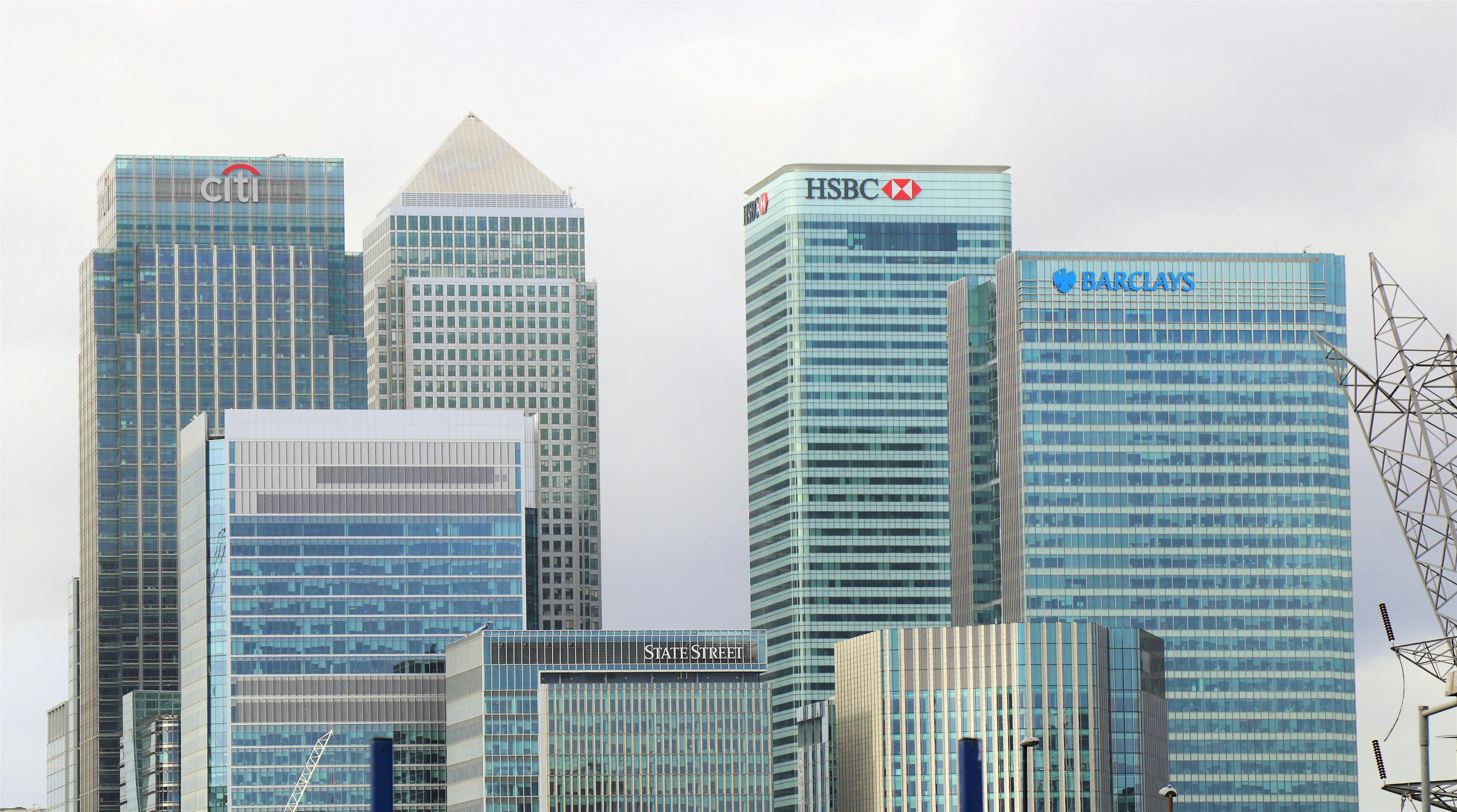
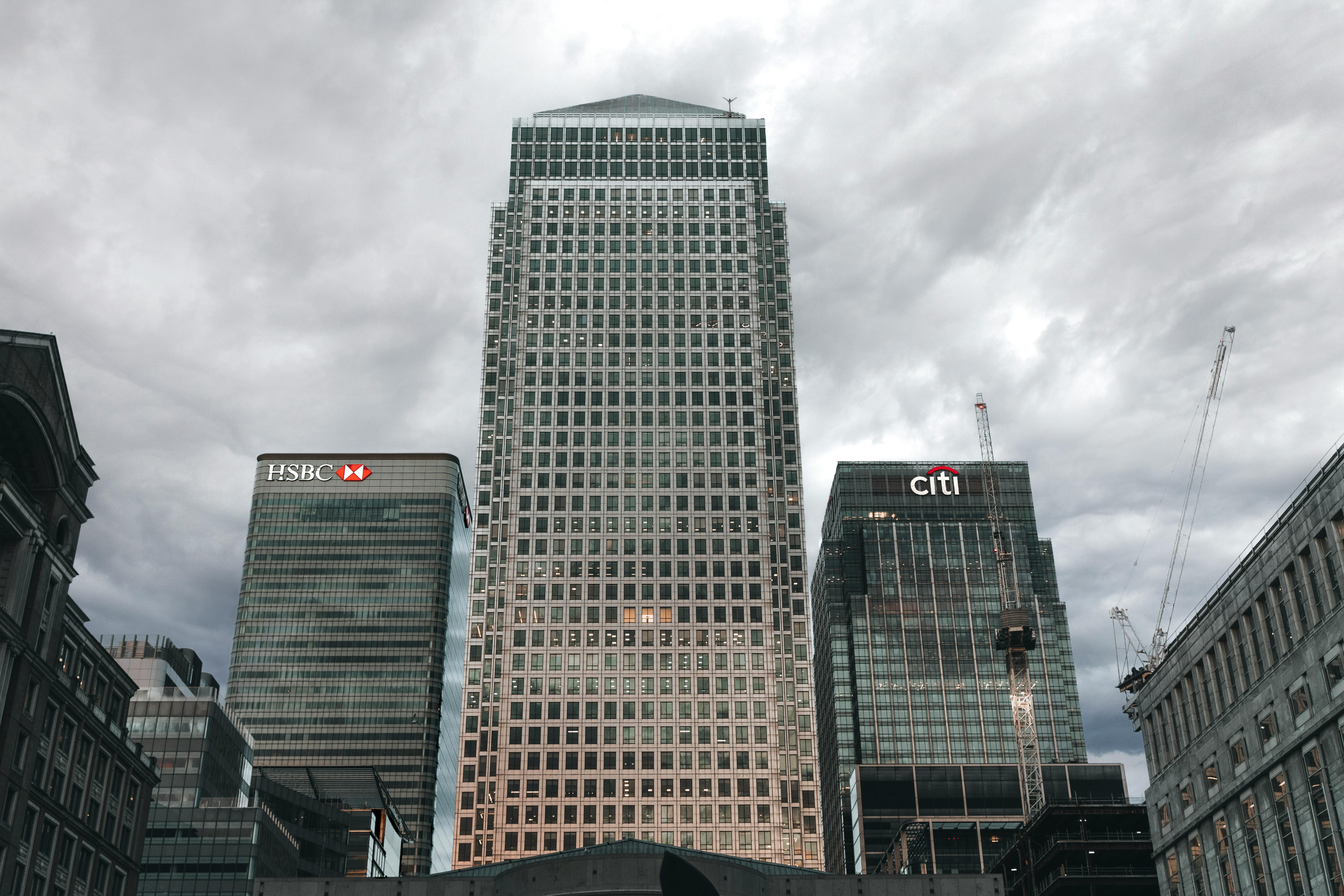
Modern banking headquarters building exterior
What's interesting here is the timing. Elhedery, who took the helm relatively recently, is executing what appears to be his first major strategic reset of the organisation. These aren't routine operating costs—they're the expensive price tag of corporate surgery. The £3.6 billion in "organisational simplification" charges signals a CEO willing to take the hit upfront rather than spread the pain across multiple quarters.
Enjoying this article?
Get stories like this in your inbox every week.
The Q4 surge that complicates the narrative
Look past the full-year figures, though, and a different picture emerges. Fourth-quarter pre-tax profits jumped $4.5 billion year-on-year to reach $6.8 billion, a 195% increase that suggests the underlying business may actually be strengthening whilst the bank absorbs restructuring costs.
That fourth-quarter performance is doing substantial work for Elhedery's argument that HSBC is becoming "a simpler, more agile, focused bank".
After-tax profits for the year fell a more modest $1.9 billion to $23.1 billion, indicating the tax implications of those one-off charges softened the blow somewhat.
The real test of Elhedery's gamble arrives in his forward guidance. He's raised the bank's revenue growth target to 5% year-on-year through 2028, a bullish projection that demands scrutiny. UK banking peers typically target growth in the 3-4% range, making HSBC's stated ambition noticeably aggressive for an institution of its size.
Business executives reviewing financial reports and strategy documents
Geographic retreat or strategic clarity?
The sale of HSBC's French retained loan portfolio forms part of a multi-year strategic pivot that's been unfolding since well before Elhedery took charge. The bank has been systematically withdrawing from lower-margin Western markets whilst doubling down on its Asia-Pacific stronghold, where profit margins remain substantially higher.
What's less clear is whether this latest disposal represents the final chapter of that geographic rationalisation or merely another instalment. HSBC has spent years selling or scaling back operations in markets from Turkey to Greece, repeatedly promising shareholders that focus equals profitability. The French exit removes another European exposure, but the bank maintains significant operations in the UK and Hong Kong that tie it to two economies facing distinct headwinds.
The legal provisions embedded in those one-off charges deserve scrutiny as well. Banks don't typically disclose granular details of litigation reserves, but the inclusion of legal costs alongside restructuring expenses suggests HSBC is clearing the decks of legacy issues whilst simultaneously reshaping its operating model. Whether those provisions relate to past conduct, regulatory settlements, or routine commercial disputes remains opaque.
Will the restructuring deliver?
Elhedery's strategy rests on a straightforward premise: absorb significant pain in 2025, emerge leaner and more profitable by 2028. The £3.6 billion restructuring bill buys him organisational simplification, though the bank hasn't specified exactly how many roles will disappear or which business lines face the knife.
Either Elhedery's willingness to take substantial one-off charges represents strategic courage that will translate into stronger underlying performance, or it's an expensive attempt to reset expectations whilst the bank grapples with structural margin compression.
Banking analysts will be watching several metrics closely over the coming quarters. Revenue growth needs to accelerate beyond the sector average to justify that 5% target. Cost-to-income ratios must improve as the restructuring costs drop off. And most crucially, HSBC's Asia-focused strategy needs to generate sufficient returns to offset its reduced geographic diversification.
Financial data and growth charts displayed on computer screens
The bank's capital position remains robust, which gives Elhedery room to execute his turnaround without immediate pressure from regulators or activist investors. But patience in the City has limits, and a second consecutive year of declining profits would invite uncomfortable questions about whether the restructuring is genuinely working or merely providing convenient cover for competitive struggles.
For shareholders, the calculation is relatively simple. Either Elhedery's willingness to take substantial one-off charges represents strategic courage that will translate into stronger underlying performance, or it's an expensive attempt to reset expectations whilst the bank grapples with structural margin compression. The fourth-quarter surge offers evidence for the former interpretation. The full-year decline provides ammunition for the latter.
The results for the first half of 2026 will prove telling. If revenues are tracking towards that 5% growth target and underlying profits are climbing, the market will likely forgive 2025's downturn as an unavoidable transition year. If growth remains anaemic whilst costs stay elevated, questions about Elhedery's judgment will intensify rapidly.
The first half 2026 results will determine whether Elhedery's restructuring gamble was strategic courage or expensive expectation management
Watch whether revenue growth accelerates towards the ambitious 5% target and whether cost-to-income ratios improve as one-off charges disappear
HSBC's Asia-focused strategy must now generate returns substantial enough to justify reduced geographic diversification and validate the costly European retreat
Multi-award winning serial entrepreneur and founder/CEO of Venntro Media Group, the company behind White Label Dating. Founded his first agency while at university in 1997. Awards include Ernst & Young Entrepreneur of the Year (2013) and IoD Young Director of the Year (2014). Co-founder of Business Fortitude.