Lord Mandelson faces EU anti-fraud investigation over alleged disclosure of €500bn eurozone bailout details to Jeffrey Epstein in 2010
The peer passed vetting processes at least three times despite well-documented association with Epstein, who was convicted in 2008
European Anti-Fraud Office (Olaf) investigations typically take years and can result in financial penalties or loss of EU pensions
UK authorities are separately investigating Mandelson for potential misconduct in public office, which carries a maximum life sentence
Lord Mandelson's legal predicament has escalated from a domestic embarrassment to an international affair, with the European Commission requesting an anti-fraud investigation into whether the former trade commissioner leaked sensitive market intelligence to convicted sex offender Jeffrey Epstein. The referral to the European Anti-Fraud Office (Olaf) arrives days after UK police arrested the peer, creating the prospect of criminal exposure on two continents. At the centre of the allegations are emails published by the US government last month suggesting Mandelson provided advance notice of a €500bn eurozone bailout in 2010.
For anyone positioned to exploit such intelligence, the market implications would have been extraordinary. Currency traders, bond investors, and equity funds capable of front-running a half-trillion-euro intervention could have generated substantial returns before public announcement moved prices. Sources close to Mandelson maintain he acted without criminal intent or financial motivation, yet the distinction between corrupt motive and catastrophic judgement offers little comfort when the recipient was a convicted sex offender with extensive financial interests across Wall Street and the City.
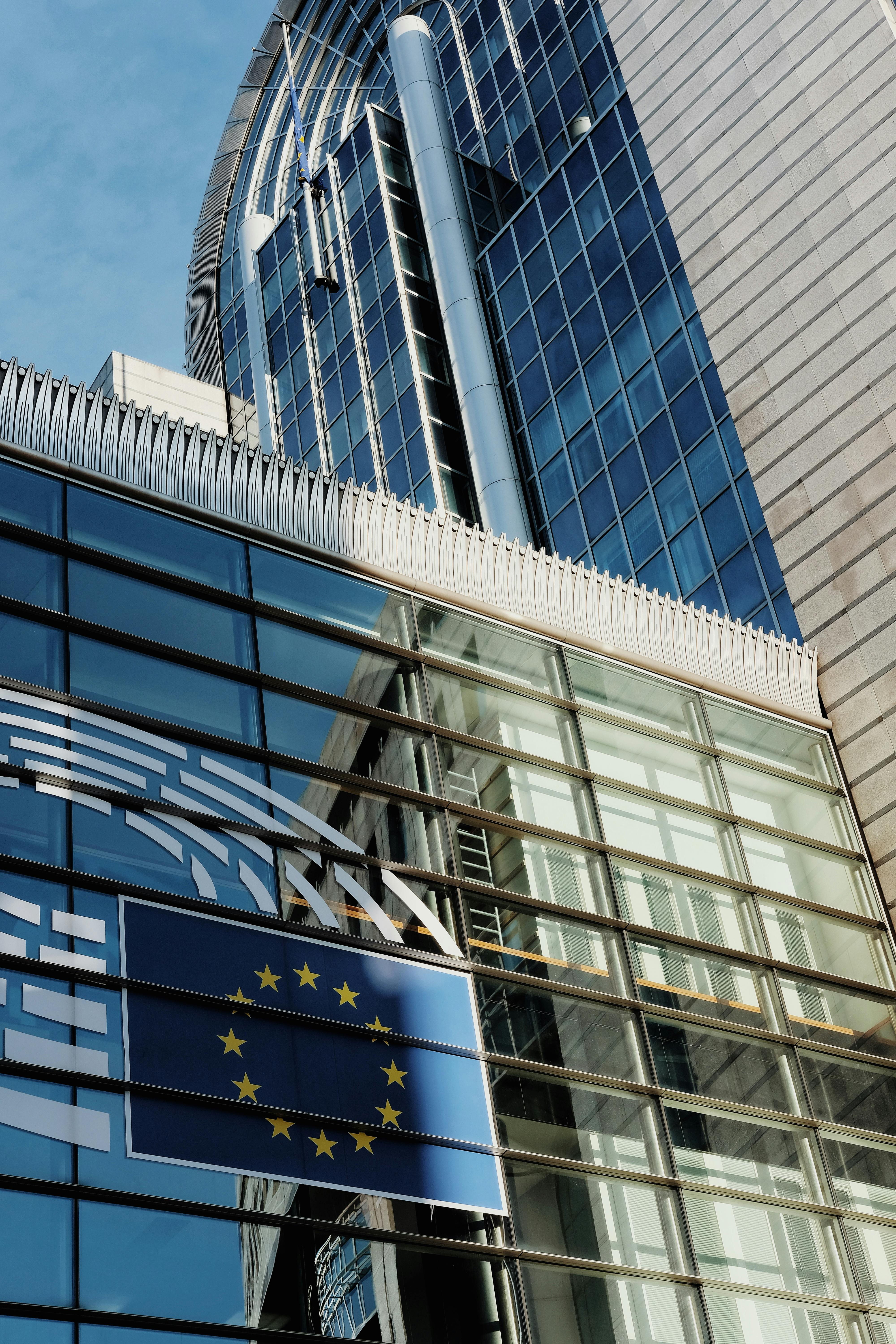
European Union flags outside government building
How did he pass vetting three times?
What's striking about this affair is not simply the alleged breach itself, but the institutional failure that preceded it. Mandelson has now been subjected to vetting processes at least three times in recent years: when appointed EU trade commissioner from 2004 to 2008, when selected as UK business secretary in 2009, and when nominated as US ambassador in 2024. He passed each time, despite his association with Epstein being well-documented in society columns and Epstein's 2008 conviction for soliciting prostitution from a minor being a matter of public record.
Enjoying this article?
Get stories like this in your inbox every week.
The question of how a peer with such obvious vulnerabilities cleared multiple security assessments speaks to a systemic problem in how the UK evaluates risk amongst its political class.
The US ambassador appointment proved particularly embarrassing for Prime Minister Sir Keir Starmer, who was forced to sack Mandelson last year after fresh details emerged about the extent of their relationship. Starmer subsequently apologised to Epstein's victims, acknowledging that Mandelson had misrepresented the nature and frequency of his contact with Epstein during the vetting process.
The revolving door between Westminster, Brussels, and elite social networks has long operated with minimal friction. Former commissioners transition seamlessly into consultancies, advisory boards, and diplomatic posts. Social connections formed at Davos, in Swiss ski resorts, or on private Caribbean islands rarely trigger the same scrutiny as less rarefied associations might. Mandelson's trajectory from EU trade commissioner to UK cabinet minister to US ambassador-designate exemplifies this pattern, where institutional memory appears remarkably short and uncomfortable questions about personal networks go unasked.
Financial trading screens displaying market data
Market-sensitive intelligence and elite access
The timing of the alleged 2010 leak merits attention. Mandelson was serving as UK business secretary when eurozone sovereign debt markets were in crisis, with Greece teetering and contagion fears spreading to Portugal, Ireland, and Spain. European leaders were scrambling to assemble a credible firewall. News of a €500bn intervention package would have represented the single most significant data point for anyone trading European government bonds, currency pairs involving the euro, or equity indices across the continent.
Whether Epstein himself traded on any such information remains unclear from publicly available documents. But his connections to hedge funds and high-net-worth individuals are extensively documented. Advance knowledge of this scale doesn't need to be monetised directly to be valuable; it can be shared, traded for influence, or simply held as leverage.
Advance knowledge of this scale doesn't need to be monetised directly to be valuable; it can be shared, traded for influence, or simply held as leverage.
Mandelson's legal team has emphasised that he intends to cooperate fully with authorities and has surrendered his passport as a bail condition. The fact that Commons Speaker Sir Lindsay Hoyle felt compelled to pass information to Metropolitan Police suggesting Mandelson might be a flight risk adds an unusual dimension to proceedings. Peers don't typically get flagged by the Speaker's office as potential absconders.
Years-long investigations and pension implications
Olaf investigations operate on geological timescales, often taking years to complete. The agency cannot bring criminal charges itself, but its findings can be referred to national prosecutors and can trigger financial penalties or the recovery of EU funds and pensions. For someone of Mandelson's age and career stage, the loss of an EU commissioner's pension would be materially significant, though hardly ruinous given his subsequent commercial activities.
Government investigation documents and legal files
The European Commission spokeswoman's statement was carefully constructed, noting that Mandelson remains subject to code of conduct obligations dating from his commissioner tenure. The Commission is 'assessing whether there is any breach of the respective obligations', language that suggests the institution is taking this seriously whilst maintaining procedural caution. Given the volume of documents released by US authorities, Olaf will have substantial material to review.
The parallel investigations in the UK and EU will likely proceed independently, though prosecutors could theoretically coordinate if charges materialise. British authorities are examining potential misconduct in public office, a common law offence carrying a maximum sentence of life imprisonment, though prosecutions typically involve far more egregious conduct. The threshold requires proof that a public officer wilfully neglected or misconducted themselves to such a degree that it amounts to an abuse of the public's trust.
For the UK government, this represents the second major consequence of inadequate vetting within a single appointment cycle. The institutional question now is whether this prompts genuine reform of how conflicts and associations are assessed at senior levels, or whether it becomes another case study filed away whilst the next crop of familiar faces rotates through Brussels, Washington, and Whitehall. Based on historical precedent, the smart money wouldn't be on systemic change.
Watch for systemic vetting reform rather than individual accountability—the institutional failure to flag Mandelson's vulnerabilities across three separate appointments suggests deeper problems in how the UK assesses risk amongst political elites
The parallel investigations on two continents create unprecedented legal exposure for a serving peer, with outcomes potentially ranging from pension loss to criminal prosecution depending on what evidence emerges
Market participants should note that advance intelligence of major policy interventions remains a persistent vulnerability in the system where elite social networks overlap with official access to sensitive information
Multi-award winning serial entrepreneur and founder/CEO of Venntro Media Group, the company behind White Label Dating. Founded his first agency while at university in 1997. Awards include Ernst & Young Entrepreneur of the Year (2013) and IoD Young Director of the Year (2014). Co-founder of Business Fortitude.