Energy bills will fall 7% in April, saving typical households £150 annually, bringing bills to approximately £1,588
The reduction stems from shifting green levies off bills and onto general taxation—an accounting transfer rather than genuine savings
Despite the cut, energy bills remain 22% higher than pre-Ukraine crisis levels when they sat below £1,300
The income tax threshold freeze through 2028-29 will pull 400,000 more people into paying income tax and 600,000 into the 40% bracket
Rachel Reeves stood inside Octopus Energy's headquarters on Wednesday, gesturing at screens displaying real-time electric vehicle demand, as the announcement landed: energy bills will drop 7% in April. After months of economic pessimism and lacklustre growth figures, the Chancellor is attempting to shift the narrative from managing decline to claiming recovery. Whether that narrative survives the next six months could determine Labour's economic credibility heading into the 2029 election cycle.
The timing carries risk. Reeves told reporters the UK is "beginning to see the economy turning a corner" and predicted 2025 would be "the year that people start to feel the change in their pockets." Strong words. But the substance behind them is thinner than the political theatre suggests, and next week's Spring Statement could expose the gap between aspiration and reality.
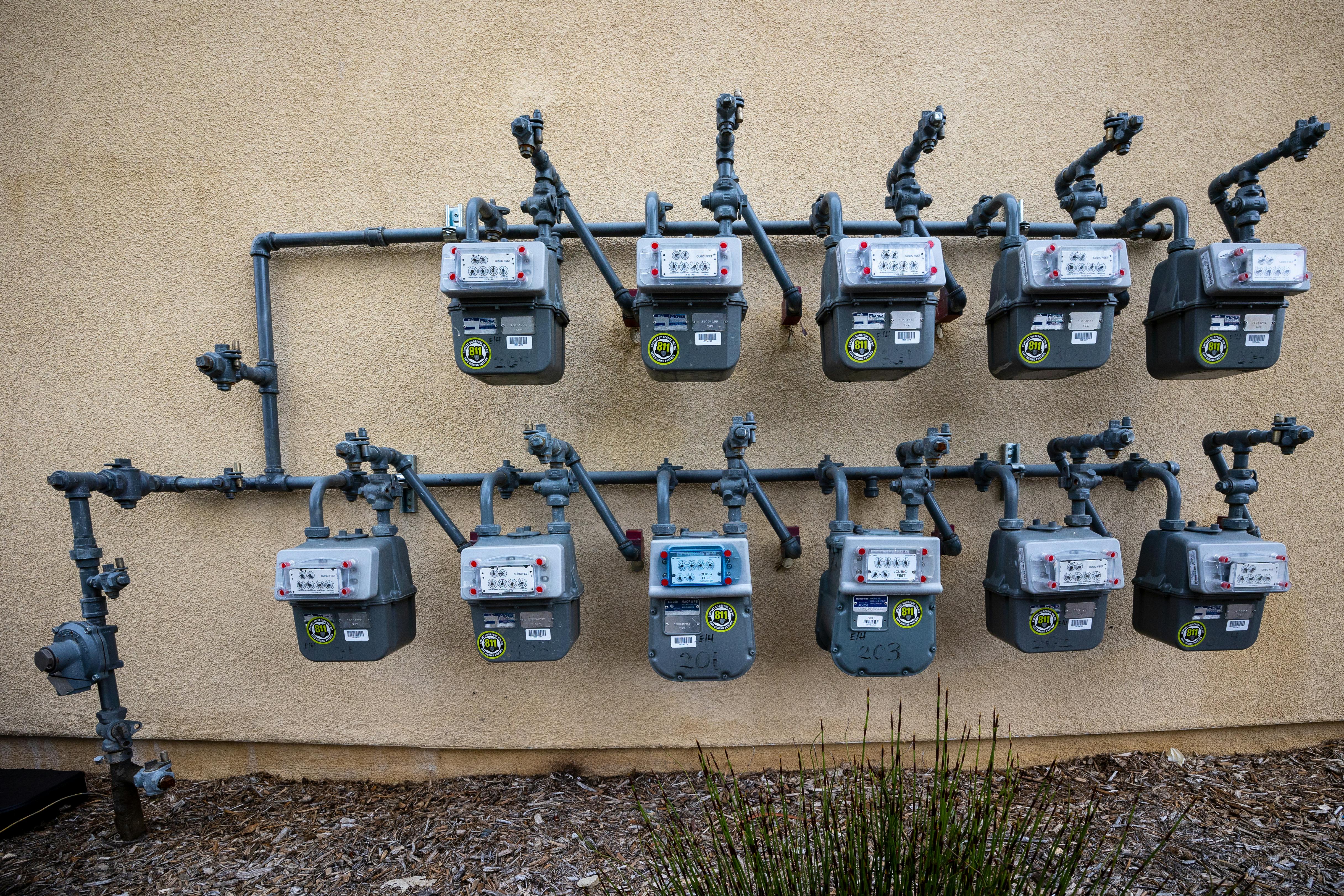
Energy infrastructure and power distribution system
The energy cut that isn't quite what it seems
The £150 reduction is genuine enough. According to Ofgem's revised price cap, typical annual dual-fuel bills will fall from around £1,738 to roughly £1,588 from 1 April. Reeves has instructed suppliers to pass the saving to customers on fixed tariffs as well, a move that sounds consumer-friendly but remains largely unenforceable beyond moral pressure.
Enjoying this article?
Get stories like this in your inbox every week.
What the Chancellor didn't emphasise during her Octopus visit: this isn't a market-driven improvement. The cut stems almost entirely from her October Budget decision to shift green levies off energy bills and onto general taxation. The Environmental and Social Obligation costs, which fund renewable subsidies and efficiency schemes, haven't disappeared—they've simply moved from one government pocket to another.
Households still pay these costs through taxation rather than bills—it's an accounting transfer, not a saving.
That matters for two reasons. First, the accounting sleight of hand means no genuine reduction in the burden households ultimately bear. Second, the same Budget extended the income tax threshold freeze through 2028-29, meaning fiscal drag will steadily claw back some of those energy savings as wage growth pushes more earners into higher tax bands. According to the Institute for Fiscal Studies, the threshold freeze will pull an additional 400,000 people into paying income tax and 600,000 more into the 40% bracket by 2028.
The energy price context also deserves scrutiny. Bills remain substantially elevated compared to pre-crisis levels. Before Russia's invasion of Ukraine in February 2022, the typical annual bill sat below £1,300. Today's "reduced" figure of £1,588 still represents a 22% increase over that baseline.
Financial data and economic indicators on display screens
The coordinated "feel-good" strategy
Energy isn't the only lever Reeves is pulling. The government has plastered digital advertising boards with notices about the "Big Rail Fare Freeze," capping regulated fares at 4.6% rather than the usual RPI inflation measure. Combined with falling inflation—down to 3% in January according to the ONS—and anticipated further Bank of England base rate cuts, the Treasury is betting these tangible changes will shift consumer sentiment before economic fundamentals necessarily support it.
Some indicators do point towards stabilisation. High street spending figures from the British Retail Consortium showed a modest uptick in February. The S&P Global services PMI registered expansion territory at 51.2 in January. Consumer confidence, measured by GfK, ticked upward for the third consecutive month.
But contradictory data complicates the recovery story Reeves wants to tell. GDP growth in Q4 2024 came in at a sluggish 0.1%, according to the ONS. Youth unemployment rose to 13.9% in the three months to December, up from 13.3% the previous quarter. Business investment remains tepid, and the Treasury's own borrowing figures—whilst lower than some feared—still project elevated debt servicing costs through 2026.
Reeves is choosing to claim early credit for improvements that may not materialise consistently, rather than waiting for more robust evidence.
What's interesting here is the political calculation. That's either confident leadership or premature optimism that could backfire spectacularly if households don't feel meaningfully better off by autumn.
The Spring Statement litmus test
Next week's Treasury Spring Statement will include independent forecasts from the Office for Budget Responsibility, and those projections could either validate or undermine Reeves's optimistic framing. The OBR has previously been more conservative than government messaging would suggest, and any significant downgrade to growth forecasts or upward revision to unemployment projections would create an immediate credibility problem.
The Chancellor has staked her reputation on households feeling tangible improvement. But the mechanics of how people experience economic change are notoriously sticky. Energy bills dropping from eye-watering to merely painful doesn't feel like prosperity. Rail fares frozen at 4.6% increases still mean paying more.
Government policy announcement and public communication
Whether the government's coordinated push can survive contact with these harder realities will become clear over the next two quarters. If wage growth outpaces inflation sustainably, if interest rates continue falling, and if business confidence translates into actual investment, Reeves's gamble pays off. If growth stalls, if unemployment continues rising among younger workers, or if energy prices spike again next winter, this Octopus headquarters visit will be remembered as premature triumphalism.
The 2025 economic story is being written in real-time, and the Chancellor has just authored an optimistic opening chapter. The question isn't whether some indicators have improved—they demonstrably have. The question is whether those improvements are durable enough to justify claiming the corner has been turned, or whether Reeves has simply repackaged a budget transfer and called it recovery.
The next two quarters will determine whether Reeves's optimism is premature—wage growth must sustainably outpace inflation and business confidence must translate into actual investment
Next week's OBR forecasts in the Spring Statement represent the critical litmus test that could either validate or demolish the Chancellor's recovery narrative
Consumer sentiment shifts slowly—households experiencing bills dropping from catastrophic to merely painful won't necessarily feel prosperity, regardless of technical improvements in underlying indicators
Multi-award winning serial entrepreneur and founder/CEO of Venntro Media Group, the company behind White Label Dating. Founded his first agency while at university in 1997. Awards include Ernst & Young Entrepreneur of the Year (2013) and IoD Young Director of the Year (2014). Co-founder of Business Fortitude.