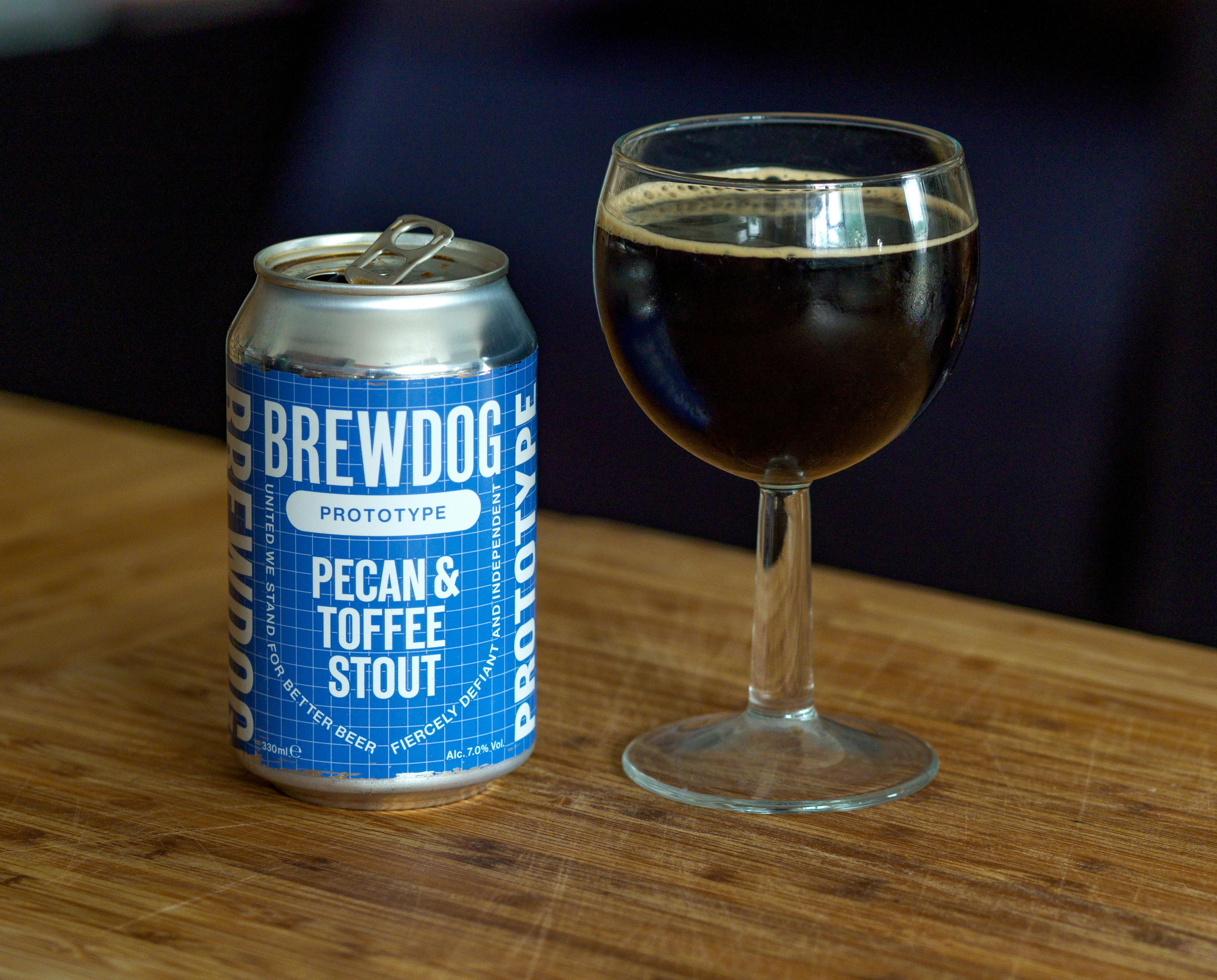
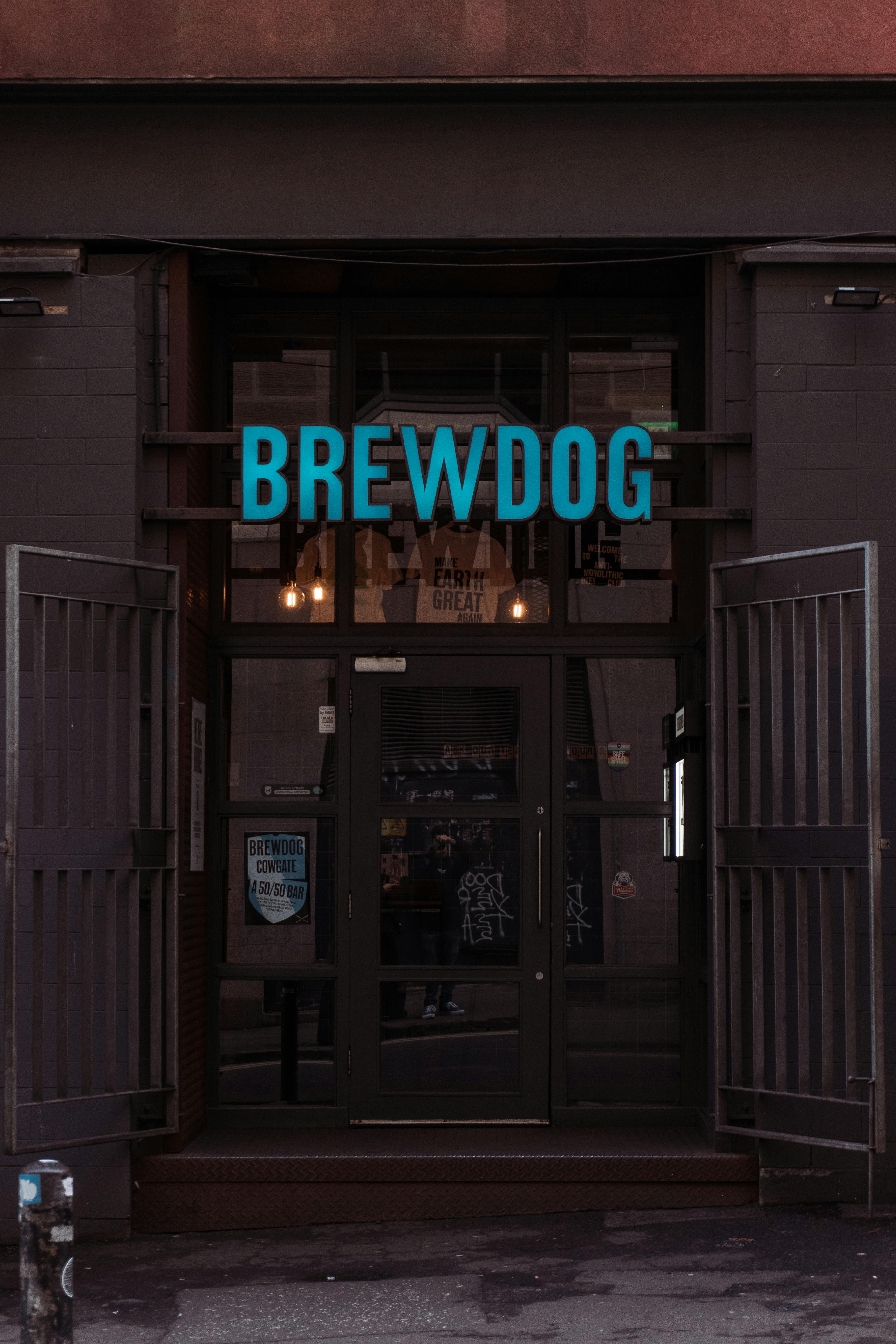
220,000 retail investors face near-total losses on £75m invested through BrewDog's "Equity for Punks" crowdfunding scheme between 2009 and 2021
Former CEO James Watt is assembling a £10m rescue bid for the company that was valued at over $1bn in 2017
BrewDog posted a £37m deficit on £357m turnover in 2024, closing 10 bars including its Aberdeen flagship
Multiple multinational brewers are circling the assets, suggesting a potential break-up of the brewery and bar operations
James Watt is putting £10m of his own money towards buying back the craft brewery he co-founded, but the 220,000 small investors who helped build BrewDog into a household name through successive crowdfunding rounds are staring at near-total losses. The former chief executive, who stepped down only last year, is assembling a bid ahead of second-round offers due this weekend for the Aberdeen-based brewer, which insiders say could be sold at a fraction of the billion-dollar valuation it commanded seven years ago.
The irony cuts deep. BrewDog's "Equity for Punks" scheme became the poster child for retail investor crowdfunding in the UK, raising £75m from customers between 2009 and 2021 with promises of perks, early access to new beers, and the chance to own a piece of the craft beer revolution. Those backers, who invested an average of £400 each, now face the prospect of watching their shares evaporate whilst Watt—who retains a significant personal stake—attempts to reclaim control of the business at what may prove bargain prices.
Craft beer taps in a modern brewery bar
The timing is particularly brutal for investors who participated in BrewDog's most recent crowdfunding round in 2021. Just three years later, they're confronting losses on a business that posted a £37m deficit on £357m turnover in 2024.
Enjoying this article?
Get stories like this in your inbox every week.
From unicorn to fire sale
When TSG Consumer Partners acquired a 21 per cent stake in 2017, the deal valued BrewDog at more than $1bn. That unicorn status made it one of British business's most celebrated success stories—a scrappy Scottish startup that had taken on multinational brewers and won shelf space in over 50 countries.
The descent has been swift. Ten bars closed in July 2024, including the flagship Aberdeen site. The company operates 72 locations globally, from London to Las Vegas, but the footprint is shrinking. Staff numbers sit at roughly 1,400, and whilst BrewDog maintains a 4 per cent share of the UK off-trade grocery market by value, profitability remains elusive.
What's striking here is the disconnect between the company's market presence and its financial performance. BrewDog products are stocked in major supermarkets nationwide. Its brand remains recognisable. Yet the business model appears fundamentally broken at current cost structures.
The crowdfunding reckoning
BrewDog's "Equity for Punks" scheme was always as much about marketing as capital formation. Investors received discounts on beer, invitations to annual general meetings that felt more like festivals, and the intangible benefit of backing a brand that positioned itself as anti-establishment. The financial proposition was secondary to the community-building exercise.
Business investors reviewing financial documents
That emotional connection may make the impending losses even harder to stomach. These weren't sophisticated investors diversifying portfolios—they were customers who believed in the brand and wanted to be part of its story. The average £400 stake represents meaningful money for most households, particularly when multiplied across 220,000 individuals who collectively put in £75m.
The regulatory framework for such crowdfunding campaigns has evolved since BrewDog's first raise in 2009, but protections for retail investors remain limited. Companies can offer equity without the same disclosure requirements that govern public markets, and valuations are largely subjective in the absence of liquid secondary markets.
BrewDog's troubles aren't unique in the hospitality sector, which has faced sustained pressure from rising costs, changing consumer habits, and the lingering effects of pandemic closures. But the company's challenges extend beyond macro headwinds. Allegations of a "culture of fear" from former staff in 2021 damaged the brand's reputation amongst precisely the progressive consumers it had courted. Watt issued a public apology at the time, but the incident revealed a gap between BrewDog's marketing image and internal reality.
What happens next
The company's statement about the sale process—calling it a "deliberate and disciplined step" that "will attract substantial interest"—is corporate spin designed to project strength. AlixPartners, the restructuring specialists brought in to manage the process, aren't typically hired when businesses are performing well.
Watt's personal £10m commitment signals genuine intent to regain control, but the shape of any deal remains unclear. He would need significant external backing to compete with multinational brewers who could absorb BrewDog into existing distribution networks and slash costs through consolidation. Whether he can assemble sufficient capital, and on what terms, will determine if this rescue bid has credibility or amounts to a Hail Mary pass.
BrewDog's trajectory offers a cautionary tale for the retail investor crowdfunding model. When businesses succeed, everyone celebrates. When they fail, the customers who doubled as investors discover they've taken real financial risk without the due diligence or protections that institutional investors demand.
Retail crowdfunding exposes ordinary investors to institutional-level risks without equivalent protections or due diligence capabilities—emotional brand attachment is not a substitute for rigorous financial analysis
Watch for how this sale structures minority shareholder treatment, as it will set precedents for the hundreds of other UK companies that have raised capital through equity crowdfunding platforms
Former COO at Venntro Media Group with 13+ years scaling SaaS and dating platforms. Now founding partner at Lucennio Consultancy, focused on GTM automation and AI-powered revenue systems. Co-founder of Business Fortitude, dedicated to giving entrepreneurs the news and insight they need.