Paul Garbett proposes Britain bid for 2038 Winter Olympics with ice events in Scotland whilst outsourcing skiing to Norway
Milano Cortina 2026 shifted 1.25 million tickets and welcomed 250,000 visitors to fan villages in opening week
Britain dismantled its only permanent sliding track in Sheffield in 2004, forcing elite athletes to train abroad
The IOC reformed hosting rules in 2019 to allow multi-city hosting after cost overruns scared away candidate cities
A luxury yacht marketer believes Britain should bid for the 2038 Winter Olympics by staging ice events in Scottish cities whilst outsourcing the actual skiing to Norway. The proposal sounds absurd until you consider how desperate the International Olympic Committee has become. Paul Garbett's pitch, published this week, crystallises a genuine shift in Olympic economics that forces uncomfortable questions about what Winter Games actually mean.
The IOC reformed its hosting rules in 2019 specifically because nobody wanted Winter Games anymore. Cost overruns and white elephant venues had scared away candidate cities. The solution? Allow multi-city hosting, encourage infrastructure reuse, and quietly abandon the notion that one place must do everything.
Winter Olympic venue infrastructure and facilities
Milano Cortina 2026 exemplifies this new pragmatism. Events sprawled across multiple Italian cities and existing venues. According to figures cited by Garbett, the Games shifted 1.25 million tickets and welcomed 250,000 visitors to fan villages in the opening week. Whether those numbers represent a triumph or merely meet baseline expectations remains unclear without comparative data from previous Winter Olympics.
Enjoying this article?
Get stories like this in your inbox every week.
When Flexibility Becomes Contortion
What's striking about the Edinburgh-Glasgow-Oslo proposal is how far it stretches the IOC's newfound flexibility. Cross-border hosting has happened before, but always regionally. Italy's current Games use venues within a few hours' drive.
Proposing that Scotland host ice events whilst Norway handles everything involving actual mountains and snow represents something else entirely: a Winter Olympics where the nominal host nation stages none of the defining alpine competitions on home soil.
That's never happened. Alpine skiing, with its prestige and television audiences, has always taken place in the host country's mountains. Garbett acknowledges this implicitly by emphasising the 90-minute flight time between Edinburgh and Oslo, as though proximity softens the strangeness of asking athletes and spectators to hop between countries for different events.
The logistical questions multiply quickly. Would national teams maintain split operations? How does weather contingency work across borders when schedule changes in Norway ripple through ice events in Scotland? Does this feel like a coherent Games or a disconnected roadshow with an Edinburgh logo slapped on it?
The Infrastructure Contradiction
Britain dismantled its only permanent sliding track in Sheffield in 2004. Elite skeleton and bobsleigh athletes train abroad because no suitable facility exists domestically. Garbett's proposal acknowledges this gap and suggests building a new sliding centre in Scotland to support Britain's proven medal potential in these disciplines.
Here the argument stumbles over its own logic. The entire premise rests on avoiding speculative infrastructure spending and reusing existing venues. Yet the one genuinely new facility proposed would serve the smallest competitive programme and weakest domestic participation base.
Ice skating venue and winter sports facility
Garbett insists the sliding centre 'case must stand independently' of Olympic hosting, requiring year-round commercial viability through events and tourism. That's a substantial ask. Sliding tracks are notoriously expensive to maintain and struggle to generate revenue outside elite training periods. The business case for a standalone Scottish facility looks questionable even before Olympic aspirations enter the equation.
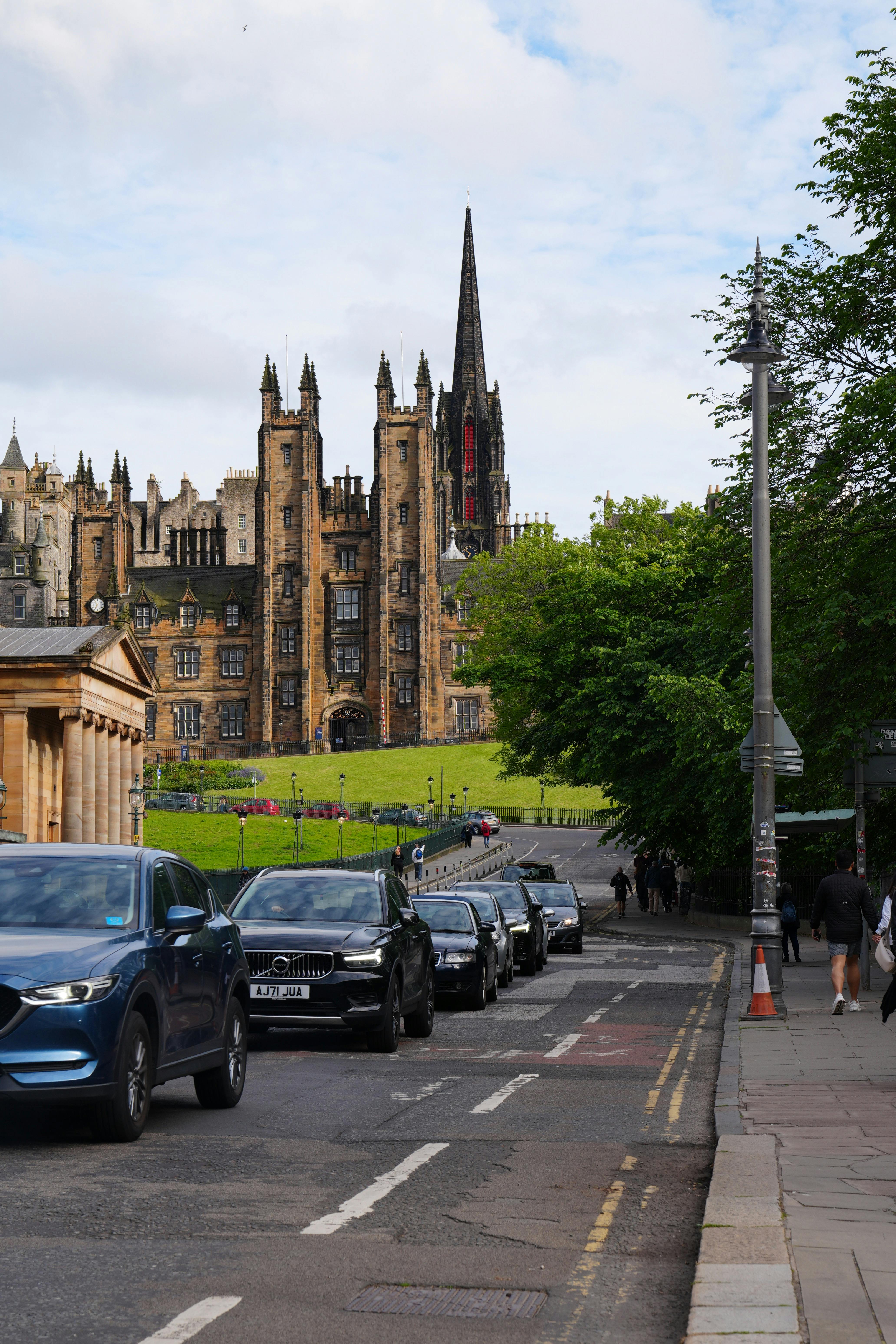
Glasgow and Edinburgh do possess genuine winter sports infrastructure for ice hockey, curling, figure skating and short track. Both cities proved their event management credentials through the 2014 Commonwealth Games and multiple world championships. That foundation makes the ice events component plausible, even if uninspiring.
The Commercial Calculus
Garbett's background in luxury brand marketing emerges clearly in his emphasis on audience reach and commercial opportunity. NBCUniversal reported 90 per cent audience growth versus Beijing 2022, though favourable time zones for American viewers complicate that comparison. Warner Bros. Discovery claimed Milano Cortina as the most-streamed Winter Games, whilst IOC digital platforms reportedly attracted over 100 million users.
The question is whether Britain gains sufficient return from essentially franchising the Games' brand whilst outsourcing its signature content to Norway.
The proposal frames this as expanding commercial territory across two winter sports markets and media ecosystems. Cynics might call it paying for naming rights to someone else's event. Commercial partners and sponsors would face genuine complexity. How do you activate a partnership when your target audience splits between two countries and separate venue clusters?
What's interesting here is how the proposal inverts traditional Olympic logic. Rather than demonstrating national winter sports prowess, Britain would essentially admit it lacks suitable geography whilst arguing organisational competence trumps terrain. That's either refreshingly honest or fundamentally misunderstanding what makes Winter Olympics meaningful.
What the IOC Actually Wants
The Olympic movement faces an existential tension. Fewer cities want Winter Games because infrastructure costs rarely produce lasting economic benefit. Climate change threatens snow reliability even in traditional alpine hosts. The IOC needs to broaden the candidate pool without completely abandoning sporting credibility.
Mountain skiing venue covered in snow
Multi-country hosting solves the supply problem. Whether it solves the credibility problem depends on how elastic Olympic identity can become before snapping. A Winter Olympics where the host nation stages no alpine events crosses a line that multi-city Italian hosting does not.
Britain could certainly deliver competent ice events and spectacular ceremonies. London 2012 demonstrated world-class mega-event management. The practical capability exists. What's missing is the fundamental ingredient that has defined Winter Olympics since their inception: mountains with snow on them.
The IOC's 2019 reforms were born from pragmatic desperation, not philosophical conviction about reimagining what Winter Games mean. Declining bids forced flexibility. That doesn't automatically make a Scotland-Norway hybrid sensible, merely technically permissible under revised rules.
Future Olympic hosting will undoubtedly continue evolving towards distributed models and infrastructure reuse. Whether that evolution can accommodate a host nation outsourcing its defining sporting terrain to another country entirely represents the next test of how far pragmatism can stretch before becoming absurdity. The 2038 bid window opens within two years. If Britain seriously pursues this, we'll discover whether the IOC's flexibility has limits after all.
The Scotland-Norway proposal tests whether Olympic identity can stretch to accommodate a host nation staging no alpine events on home soil
Multi-award winning serial entrepreneur and founder/CEO of Venntro Media Group, the company behind White Label Dating. Founded his first agency while at university in 1997. Awards include Ernst & Young Entrepreneur of the Year (2013) and IoD Young Director of the Year (2014). Co-founder of Business Fortitude.