The Suffolk Punch Trust is closing its visitor centre, café and shop after 265 years of continuous breeding operations
The Suffolk Punch is classified as critically endangered with fewer than 300 registered breeding females worldwide — fewer than giant pandas
The trust will maintain its "colony stud" breeding programme whilst eliminating all public-facing facilities
The Rare Breeds Survival Trust monitors 64 native British breeds at risk across the heritage sector
The Suffolk Punch Trust is shuttering its visitor centre, café and shop after 265 years of continuous breeding operations at Hollesley, retreating from public engagement to focus exclusively on keeping Britain's oldest heavy horse breed from extinction. It's the kind of decision that sounds prudent in a boardroom but raises an uncomfortable question: can you save an endangered species that nobody sees?
The trust's announcement on Friday cited the "harsh realities of the current economic climate" as it confirmed the closure of all public-facing facilities whilst maintaining what it calls its "colony stud" — the core breeding programme that has operated on the Suffolk site since 1759. The Suffolk Punch, classified as critically endangered by the Rare Breeds Survival Trust (RBST), now faces conservation behind closed doors.
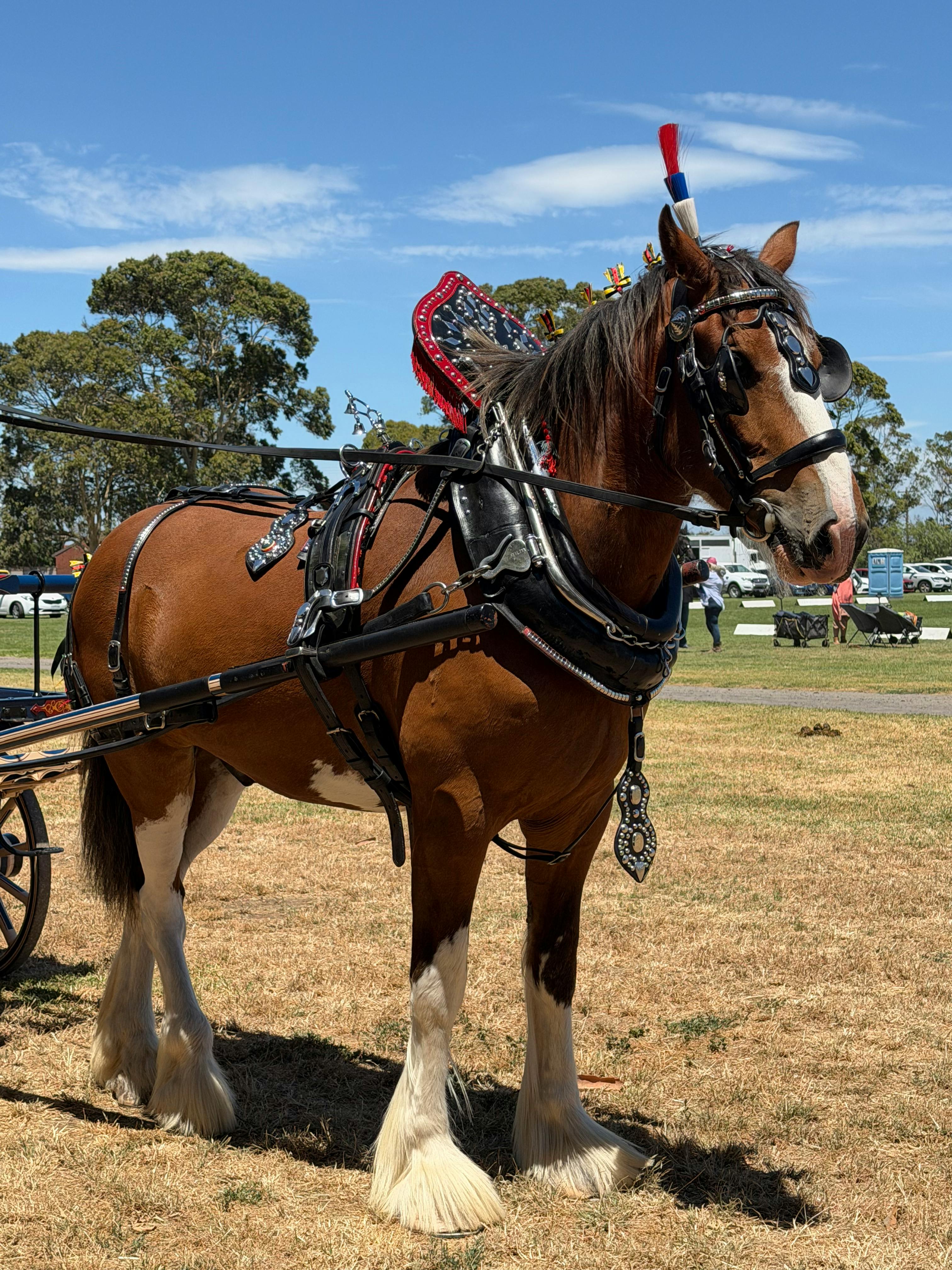
Suffolk Punch heavy horse in field
That critically endangered classification isn't mere dramatic labelling. According to RBST criteria, it means fewer than 300 registered breeding females exist worldwide. For context, there are more giant pandas. The breed, which once powered East Anglian agriculture and was exported globally in the 19th century, has seen numbers collapse as mechanisation rendered these chestnut giants economically obsolete.
Enjoying this article?
Get stories like this in your inbox every week.
The visibility paradox
What makes the trust's decision particularly striking is the inherent tension in conservation charity economics. Public facilities cost money — staff wages, heating for cafés, insurance, maintenance. But they also generate it, not just through admission fees and tea sales but through the less quantifiable currency of public awareness and emotional investment.
Heritage and conservation organisations operate in a peculiar funding environment where donors give not because they receive a service but because they care.
That caring typically requires seeing, touching, understanding. A Suffolk Punch encountered in person — massively built, surprisingly gentle, a living connection to pre-industrial Britain — makes a far more compelling fundraising case than a photograph on a website.
The trust hasn't disclosed specific financial pressures: no figures on rising feed costs, energy bills, or donation shortfalls. The language remains studiously vague, which is typical of charity communications but doesn't help parse whether this represents genuine crisis management or a strategic repositioning dressed in crisis rhetoric.
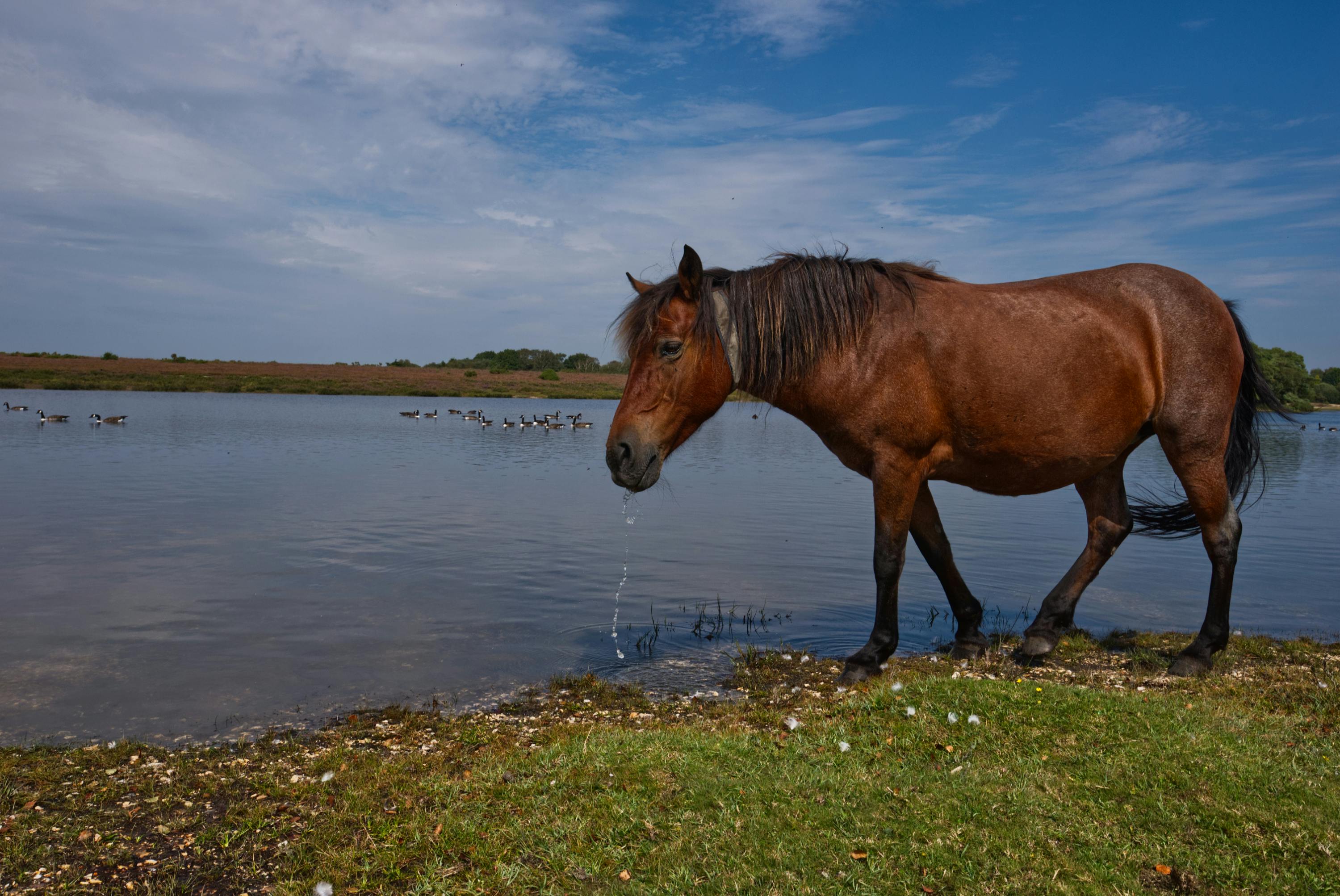
Historic heavy horse breed conservation
What's beyond question is that conservation charities have faced a brutal few years. Energy costs for maintaining historic buildings and heating facilities increased by margins that made previous budgets look quaint. Feed prices for livestock operations surged alongside broader agricultural commodity inflation. Meanwhile, the cost-of-living crisis squeezed discretionary spending — the exact category that encompasses both day trips to heritage sites and charitable donations.
A sector under pressure
The Suffolk Punch Trust's retreat isn't happening in isolation. Across the heritage and rare breeds sector, similar calculations are being made. Organisations that once saw public engagement as central to their mission are reassessing whether they can afford the privilege of visitors.
The RBST itself monitors 64 native British breeds at risk, from Gloucester Old Spots pigs to Red Poll cattle. Many exist in small populations managed by charitable trusts operating on tight margins. The economic model typically combines breeding sales (limited, given small markets for rare breeds), public engagement revenue, and donations. Remove one leg of that stool and the others must compensate.
For the Suffolk Punch specifically, the commercial breeding market is essentially non-existent. Nobody needs a heavy horse for agricultural work any more. The handful of breeders who continue do so for showing, heritage demonstrations, or sheer bloody-mindedness. That makes the trust almost entirely dependent on charitable income and whatever modest revenue its public facilities generated.
By closing to the public to ensure "future economic sustainability," the trust may be undermining the public connection that ensures future donations.
The irony is sharp. Out of sight risks becoming out of mind, particularly for younger generations who might otherwise encounter these horses as children and become supporters as adults.
The slimmed-down gamble
The trust's language around "slimmed-down" operations and "forward-looking plans" suggests confidence that a leaner model can work. Perhaps the calculation is that reduced overheads outweigh lost visitor revenue and that fundraising can transition entirely to digital channels and existing committed supporters.
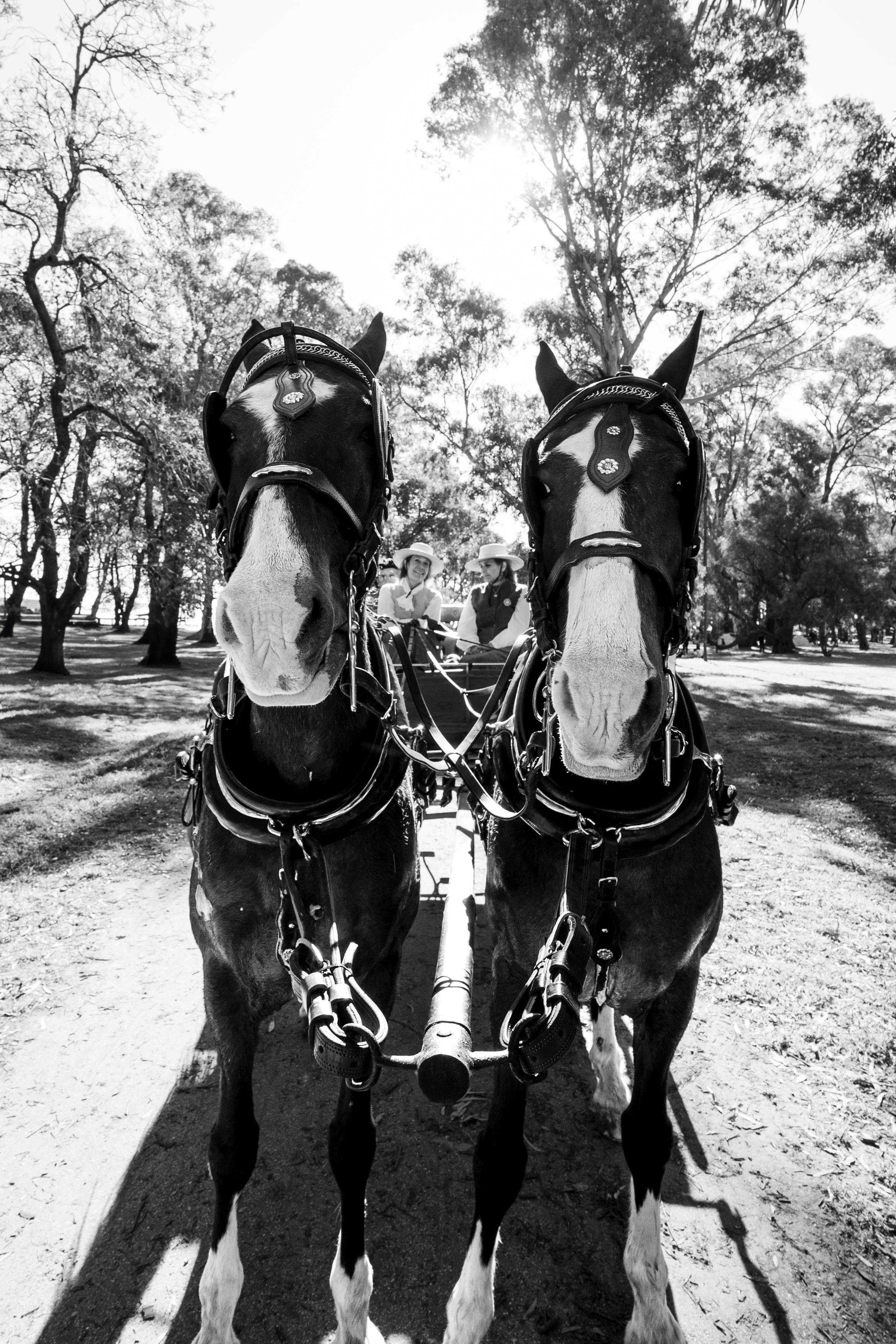
Rare breed horse conservation facility
That's a gamble, though. The heritage conservation sector has historically relied on creating emotional experiences that translate into long-term support. Virtual engagement, no matter how sophisticated, struggles to replicate the impact of a child's first encounter with a ton of horse that could pull a plough through clay soil for hours without tiring.
The trust's decision will be watched closely by other conservation organisations facing similar pressures. If Suffolk Punch numbers stabilise or grow despite reduced public visibility, it validates the focus-on-mission approach. If they stagnate, it becomes a cautionary tale about the hidden costs of invisibility.
For a breed that once numbered in the tens of thousands and now counts perhaps a few hundred breeding females globally, every decision carries outsize weight. The colony stud at Hollesley remains the longest-established operation dedicated to Suffolk Punches, giving it particular significance in the breed's survival story.
Whether that story can continue to be written behind closed gates, with the public invited to care about horses they can no longer visit, will test assumptions about how conservation actually works in an economy where everything, even preventing extinction, must prove its value in a spreadsheet.
Watch whether the closed-door breeding model succeeds or whether invisibility undermines long-term fundraising and public support for the breed
The trust's decision may set a precedent for other struggling heritage conservation organisations forced to choose between public engagement and financial sustainability
The real test will be whether digital fundraising and existing supporters can compensate for lost visitor revenue and the intergenerational support that comes from direct encounters with endangered breeds
Multi-award winning serial entrepreneur and founder/CEO of Venntro Media Group, the company behind White Label Dating. Founded his first agency while at university in 1997. Awards include Ernst & Young Entrepreneur of the Year (2013) and IoD Young Director of the Year (2014). Co-founder of Business Fortitude.