January 2026 delivered a record £30.4bn public surplus – the highest monthly figure since records began in 1993
A £17bn surge in capital gains tax receipts drove the windfall, as investors crystallised gains before anticipated rate increases
Frozen income tax thresholds extracted an additional £3.6bn through fiscal drag, pulling more workers into higher tax brackets
Public debt stands at 92.9% of GDP – matching levels last seen in the early 1960s post-war era
Rachel Reeves has secured a fiscal lifeline ahead of the Spring Statement on 3 March, with January's record £30.4bn public surplus offering tangible evidence to counter critics questioning Labour's economic competence. Yet the headline figure masks uncomfortable realities: the windfall stems from one-off investor behaviour and stealth taxation through frozen thresholds, not genuine economic vitality. Debt levels remain at post-war heights whilst unemployment has reached a five-year peak – hardly the foundations for sustainable fiscal improvement.
Financial documents and tax calculations
The tax surge that won't repeat
That £17bn capital gains tax boost tells a specific story about investor behaviour, not economic vitality. Ahead of the Autumn Budget, investors rushed to crystallise gains before anticipated CGT rate increases took effect. The Treasury collected the windfall, but this was a one-time acceleration of activity, not a sustainable revenue stream.
Anyone familiar with tax policy shifts recognises the pattern. When changes loom, behaviour adjusts – sometimes dramatically. The January figures captured that adjustment, and expecting a repeat performance this year would be wishful thinking.
Enjoying this article?
Get stories like this in your inbox every week.
Meanwhile, the frozen income tax thresholds continue doing what they were designed to do: quietly extract more revenue without the political cost of announcing explicit tax rises. As wages rise with inflation, more earners cross into higher brackets. The Treasury took in an extra £3.6bn through this mechanism in January alone compared with the previous year.
Freezing thresholds avoids the headline of "tax increase" whilst delivering precisely that outcome – for workers already squeezed by cost-of-living pressures, the effect is the same.
What's interesting here is the political calculus. For workers already squeezed by cost-of-living pressures, the effect is the same – less money in their pockets. Shadow Chancellor Mel Stride's criticism of "record high taxes" has purchase, even if his party originated some of these same fiscal drag policies.
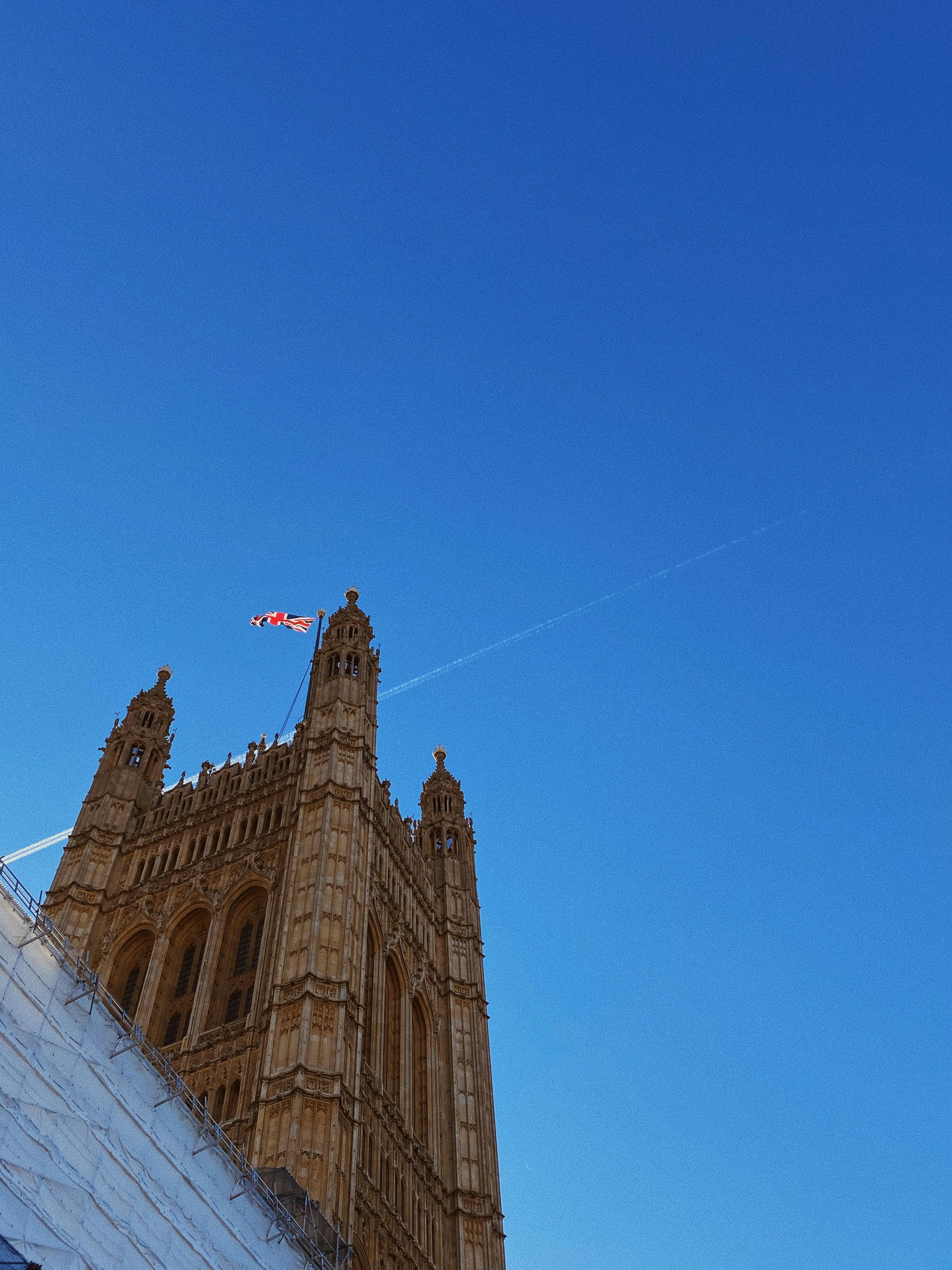
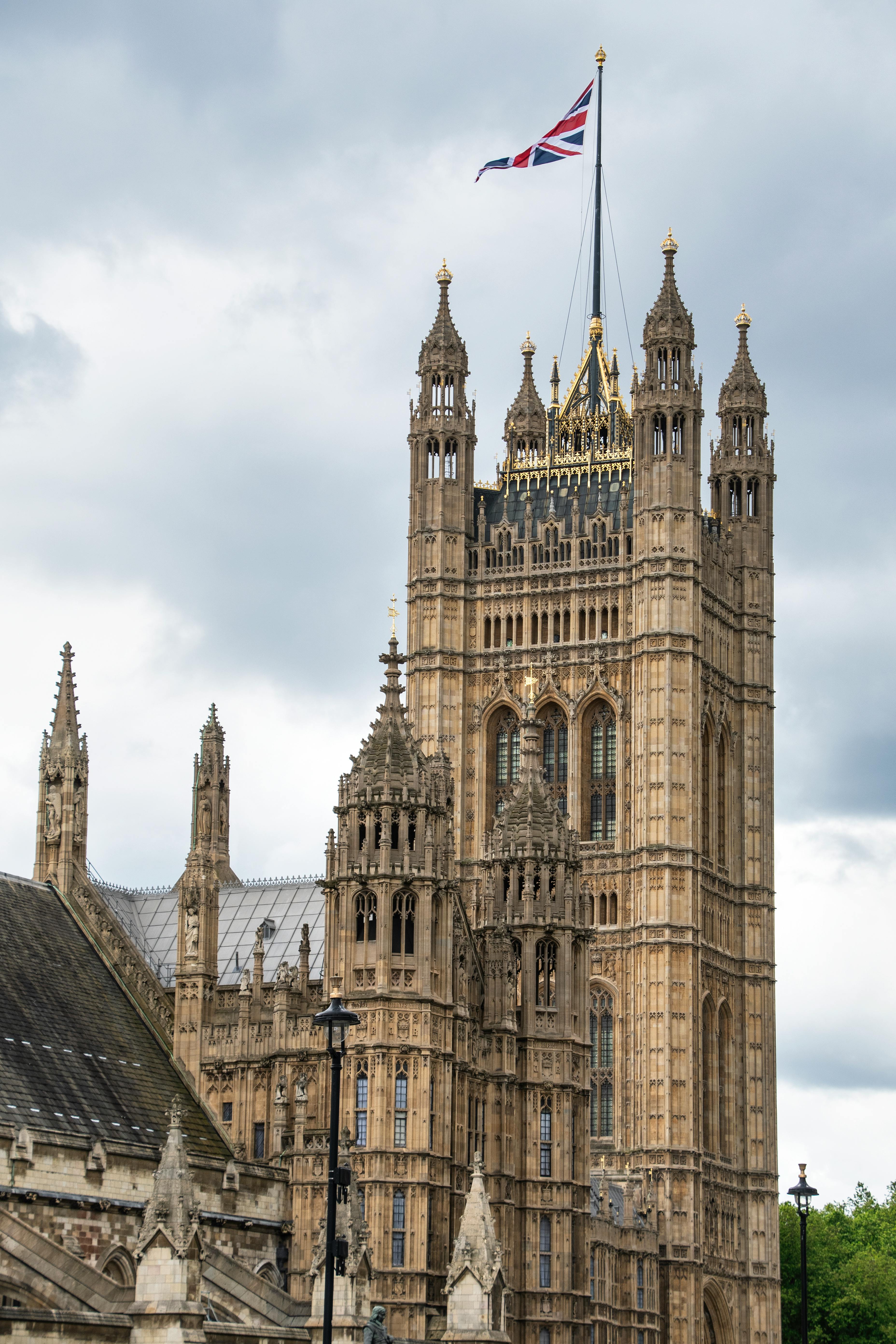
UK Parliament and government buildings
Debt levels from another era
Context matters when assessing these numbers. Yes, borrowing for the 10-month period came in at £112.1bn – down 11.5% on the same stretch last year. The Treasury emphasised that 2026 borrowing is forecast to be "the lowest since before the pandemic."
But that framing obscures an uncomfortable truth. According to ONS figures, the £112.1bn represents the fifth-highest borrowing for this period on record. Debt-to-GDP sits at 92.9%, matching levels last seen in the early 1960s – post-war years when Britain was still managing Marshall Plan obligations and the remnants of wartime borrowing.
Chief Secretary to the Treasury James Murray pledged to "more than halve borrowing by 2030-31" so funds can go to "policing, schools and the NHS." That's a significant commitment, but achieving it whilst maintaining public services and managing debt interest payments – still eating one in every ten pounds the government spends – requires economic growth that current indicators don't support.
January's retail sales figures offered a rare bright spot, climbing 1.8% against expectations of just 0.2%. Sports supplements, jewellery, and artwork drove the performance. But Capital Economics' Paul Dales himself cautioned that these gains likely stemmed from "transient boosts" – the familiar new year health kick and other temporary factors.
Warning signs in the labour market
The retail bounce sits awkwardly alongside deteriorating employment data. Wage growth has slowed and unemployment has reached its highest point in five years. These aren't the conditions that typically precede sustained consumer spending growth.
Business professionals analysing economic data
Lower debt interest payments helped January's numbers, the ONS noted. When government borrowing costs fall, more revenue goes to services rather than servicing debt. But interest rate movements cut both ways, and the Bank of England's future decisions will depend on inflation remaining under control and growth materialising.
Reeves needed this breathing room. The Spring Statement will feature these January figures prominently, and the contrast with last year's £15.4bn surplus gives her ammunition against critics questioning Labour's fiscal competence. Analysts had expected a £23.8bn surplus – the actual figure exceeded even optimistic projections.
The deeper question facing Reeves isn't whether January delivered a record surplus – it clearly did – but whether Britain's public finances can sustain improvement without genuine economic growth.
Whether this windfall translates into lasting fiscal improvement depends on factors largely outside Treasury control. Frozen thresholds will continue generating revenue through fiscal drag, but that mechanism compounds pressure on household finances. Capital gains tax receipts will almost certainly fall back from January's elevated levels. Retail spending may prove as ephemeral as those new year gym memberships.
The deeper question facing Reeves isn't whether January delivered a record surplus – it clearly did – but whether Britain's public finances can sustain improvement without genuine economic growth. Debt levels from the 1960s worked in an era of post-war reconstruction and expanding global trade. The current environment offers neither equivalent tailwind.
March's Spring Statement will test whether the Chancellor treats January's numbers as vindication or warning. The fiscal breathing room is real, but how long it lasts depends on economic fundamentals that remain decidedly fragile.
January's windfall offers temporary fiscal relief, but sustainable improvement requires genuine economic growth that current unemployment levels and wage stagnation fail to signal
Watch whether Spring Statement treats these figures as vindication or warning – the distinction reveals whether Treasury acknowledges structural weaknesses beneath the headline surplus
Capital gains receipts will inevitably fall whilst fiscal drag continues squeezing households – the political sustainability of frozen thresholds faces mounting pressure as living costs remain elevated
Multi-award winning serial entrepreneur and founder/CEO of Venntro Media Group, the company behind White Label Dating. Founded his first agency while at university in 1997. Awards include Ernst & Young Entrepreneur of the Year (2013) and IoD Young Director of the Year (2014). Co-founder of Business Fortitude.